One label, two forms
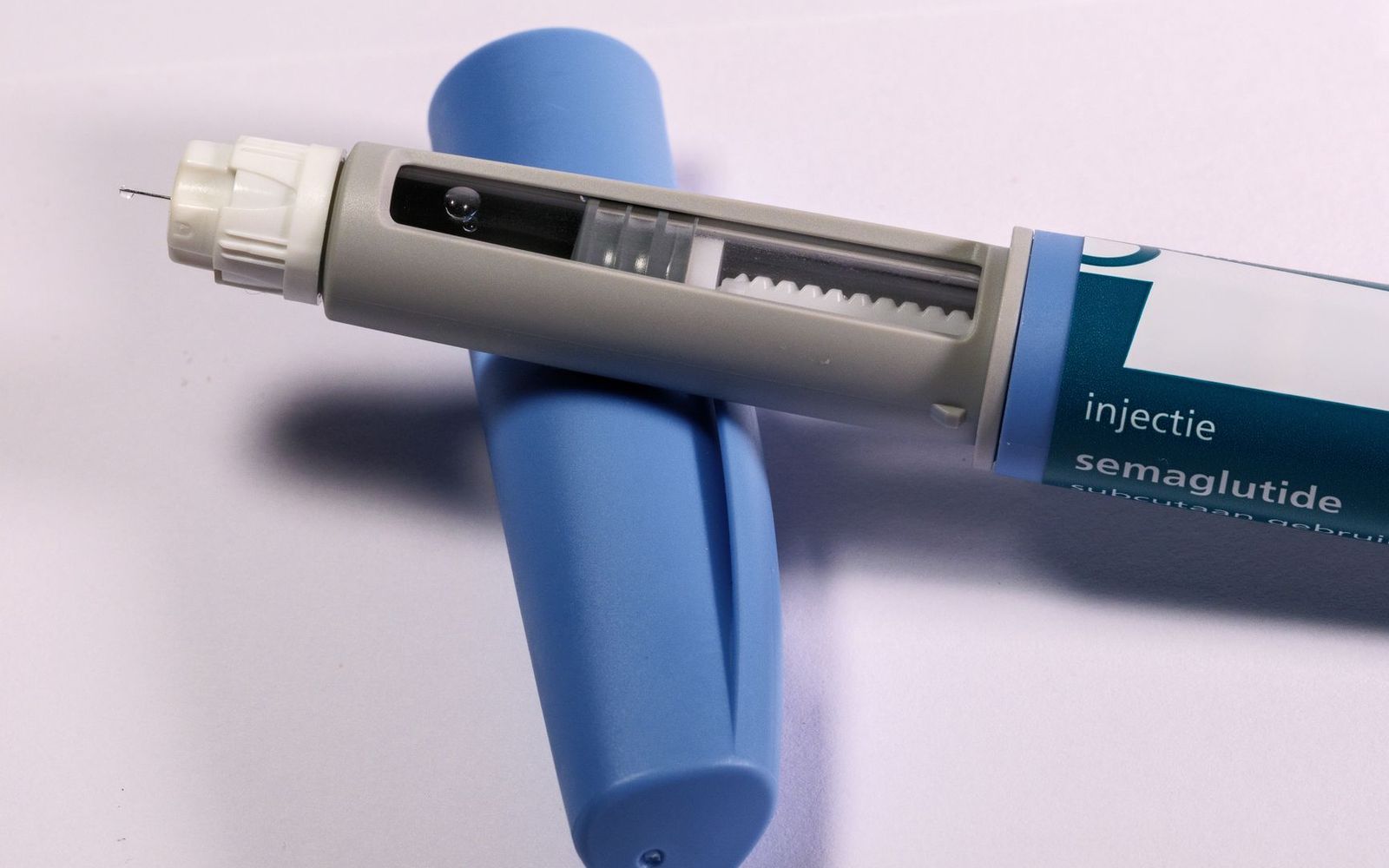
Novo Nordisk's Wegovy prescribing information, revised June 2026, covers both the injection and the tablets in one document. That matters for a reader: one document sets out both forms' dosing, warnings and trial results, so the two can be read side by side. The injection comes as single-dose pens at 0.25, 0.5, 1, 1.7 and 2.4 mg, a 7.2 mg pen sold as Wegovy HD, a four-dose FlexTouch pen, and syringes; the tablets come in 1.5, 4, 9 and 25 mg strengths. The pen is taken once a week, in the label's words "any time of day, with or without meals", in the abdomen, thigh or upper arm. The tablet is taken once a day, and how it is taken is the whole story.
The tablet's rules, and the reason for them
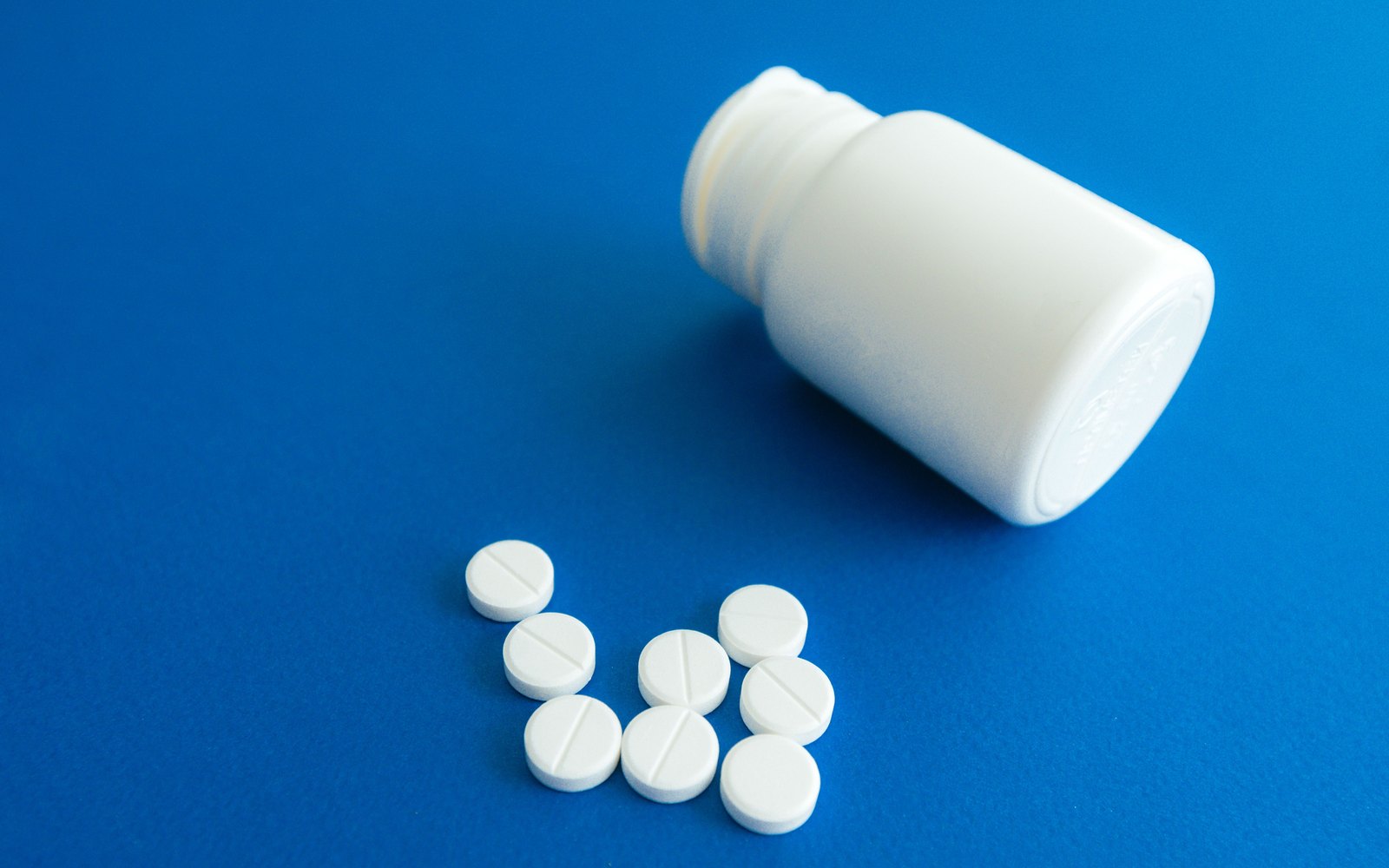
The label's instructions for the tablet are unusually specific: "Take WEGOVY tablets orally once-daily on an empty stomach in the morning with water (up to 4 ounces). Do not take with other liquids besides water." "Swallow tablets whole. Do not split, crush, chew or dissolve." And: "After taking WEGOVY tablet wait at least 30 minutes before eating food, drinking beverages or taking other oral medications." A missed tablet is skipped, not doubled: "skip the missed dose and take the next dose the following day."
The reason is in the pharmacology section. Semaglutide is a peptide, and the stomach digests peptides, so the tablet is "co-formulated with SNAC", an absorption enhancer, and "the absorption of semaglutide predominantly occurs in the stomach." Even so, "absolute bioavailability of semaglutide is estimated to be approximately 1% to 2% following oral tablet administration", against 89 percent for the injection. That is why the daily tablet is 25 mg while the weekly injection is 2.4 mg, and why water volume and timing matter: in Novo's own studies, absorption "was higher following dosing with 50 mL water compared to that of 240 mL water" and "higher after a longer post-dose fasting period." The label measured two of these effects: more water and a shorter wait after the dose both meant less semaglutide reached the blood. It does not measure coffee or other pills; it rules them out for 30 minutes.
On blood levels, the label puts the two forms close together in people without type 2 diabetes. Average steady-state semaglutide was "approximately 75 nmol/L" on the 2.4 mg injection and "approximately 77 nmol/L" on the 25 mg tablet in people with obesity or overweight, and in those without type 2 diabetes the tablet's levels are "predicted to be comparable" to the injection's, "with higher variability": 90 percent of tablet users had average concentrations between 27 and 186 nmol/L, against 51 to 110 on the injection. In plain terms, the pill reaches about the same average blood level with a much wider spread from one person to the next. That is a statement about blood levels, not a finding that the two forms cause the same weight loss.
What each form did in its trial
The label reports a separate placebo-controlled trial for each form, and it does not compare them to each other, so neither does this page. The tablet's trial (Study 7 on the label) ran 64 weeks in 307 adults with obesity, or overweight plus a weight-related condition, without type 2 diabetes, randomized two to one to the 25 mg tablet or placebo. The injection's main trial (Study 2) ran 68 weeks in 1,961 similar adults, randomized two to one to 2.4 mg or placebo. Both groups started around 105 kg with a BMI near 38. The label's own tables, for everyone randomized:
| Outcome | Wegovy 25 mg tablet (placebo) | Wegovy 2.4 mg injection (placebo) |
|---|---|---|
| Trial length | 64 weeks | 68 weeks |
| People randomized | 205 (102) | 1,306 (655) |
| Mean change in body weight | -13.6% (-2.4%) | -14.9% (-2.4%) |
| Difference from placebo | -11.2 points | -12.4 points |
| Lost at least 5% | 76.3% (31.3%) | 83.5% (31.1%) |
| Lost at least 10% | 59.8% (14.4%) | 66.1% (12%) |
| Lost at least 15% | 47% (5.5%) | 47.9% (4.8%) |
| Lost at least 20% | 27.9% (3.1%) | 30.2% (1.7%) |
| Stopped for adverse reactions | 6.8% (5.9%) | 6.8% (3.2%), Studies 2, 3 and 4 pooled |
Two cautions. First, these are averages for everyone randomized, including people who stopped early, and the trials differ in length (64 against 68 weeks) and size (307 against 1,961 people) and were never run against each other, so the 1.3-point gap between the two mean figures is not a measured difference between the forms. Second, the tablet's trial excluded people with type 2 diabetes, and the label is explicit: "WEGOVY tablets have not been studied for weight reduction in adults with type 2 diabetes and obesity or overweight." It adds that in people with type 2 diabetes, semaglutide levels on the 25 mg tablet "were lower than" on the 2.4 mg injection, that "some patients with type 2 diabetes taking WEGOVY tablets may experience subtherapeutic semaglutide blood concentrations", and that when the response is inadequate the prescriber should "consider alternative therapies, including switching to WEGOVY injection". For a reader with type 2 diabetes, the injection is the form with evidence for weight loss.
Sponsored option
Vetted Aug 19, 2026Affiliate link, we may earn a commission at no extra cost to you.

Sesame Our score 4.0/5
Telehealth / primary care
Pricing as of Aug 19, 2026
Telehealth visits from $34; weight-loss program $99/mo or $59/mo annual
Side effects: the label says they are similar
The label does not give the tablet its own adverse-reaction table. It says that in the tablet trial "the types and frequency of common adverse reactions were similar to those listed in Table 3", the injection's table, where nausea was reported by 44 percent on Wegovy against 16 on placebo, diarrhea 30 against 16, vomiting 24 against 6, constipation 24 against 11. The text does report two figures for each form separately, each against its own placebo. Severe gastrointestinal reactions were reported in 2 percent of tablet users against none on placebo, and in 4.1 percent of injection users against 0.9. Gallstones were reported in 2.5 percent of tablet users against 1 on placebo, and 1.6 percent of injection users against 0.7. Injection-site reactions (1.4 percent against 1 on placebo) exist only for the pen. Everything else on the label, the boxed warning on thyroid C-cell tumors, pancreatitis, kidney injury from dehydration, the stop-and-call symptoms, applies to both forms; our side-effects guide walks through it, and hair loss has its own.
Switching between them
The label writes out both directions. Pen to pill: "One week after discontinuing WEGOVY 2.4 mg injection, initiate 25 mg of WEGOVY tablets orally once daily." Pill to pen: "The day after discontinuing WEGOVY tablets 25 mg once daily, initiate WEGOVY 2.4 mg subcutaneous injection once weekly." For a person who does not tolerate the 25 mg tablet, the label says to "consider switching to WEGOVY injection 1.7 mg once weekly"; it names no lower tablet maintenance dose. For a person with type 2 diabetes on the tablet who needs more weight loss, the label says to "consider switching to WEGOVY 1.7 mg injection and follow the recommended dosage escalation for WEGOVY injection". Starting from nothing, the two schedules differ in length: the tablet steps 1.5, 4, 9 and then 25 mg at 30-day intervals, reaching the maintenance dose on day 91; the injection starts at 0.25 mg and steps up every four weeks through 0.5, 1 and 1.7 mg to 2.4 mg.
What each costs without insurance
Novo sells both forms for cash through NovoCare Pharmacy. Read on September 24, 2026, its page lists the "Wegovy® pill Starting at $149 per month", with the footnote that "Self-pay pricing varies by dose" and a month is one bottle of 30 tablets; the 25 mg maintenance strength is the top of that grid at $299, which our Wegovy and Zepbound cost guide lays out by dose. The pen is listed "Starting at $199 per month": new patients "pay $199 for each month of 0.25 mg and 0.5 mg" for two monthly fills through December 31, 2026, "then $349 per month for Wegovy® 0.25 mg, 0.5 mg, 1 mg, 1.7 mg or 2.4 mg and $399 per month for Wegovy® HD (semaglutide) injection 7.2 mg", a month being one box of four pens. So at maintenance the pill is $299 and the pen $349, and the pill's lower starting figures belong to its lower starting strengths. Our GLP-1 program directory lists the online programs that dispense either form and what each adds on top of Novo's price.
Which form fits which reader
The label leaves the choice to the prescriber and the reader, and its facts point in a few directions. A person who will reliably take a tablet first thing, with a small glass of water, and wait half an hour before coffee and breakfast gets the pill's convenience with no needle and no refrigerated pens. A person whose mornings do not allow a 30-minute wait before food, coffee or other morning medications is likely to absorb less than the trial participants did, with no simple way to tell. The label also notes that in a study with the semaglutide tablet, "levothyroxine exposure was increased 33%", so anyone on a medication that needs monitoring should tell the prescriber. A person with type 2 diabetes has trial evidence for weight loss only on the injection. And a person who has done well on one form can switch to the other on the label's own schedule. Our comparison of every approved GLP-1 puts both Wegovy forms next to Zepbound and Foundayo.
Frequently asked questions
Is the Wegovy pill as effective as the injection?
The label does not say so in those words, and there is no head-to-head trial on it. What it says is that in people without type 2 diabetes the 25 mg tablet is predicted to produce average semaglutide levels comparable to the 2.4 mg injection, with more variability, and lower levels in people with type 2 diabetes. It reports each form's own placebo-controlled result: 13.6 percent mean loss for the tablet at 64 weeks and 14.9 percent for the injection at 68 weeks, from different trials of different sizes.
What happens if I take the Wegovy pill with breakfast?
The label does not test it. Its studies found semaglutide absorption higher after a longer fast following the dose (the shortest wait tested was 15 minutes) and higher with 50 mL of water than with 240 mL, which is why the instruction is an empty stomach, up to 4 ounces of water, and 30 minutes before food, other drinks or other oral medications. A tablet taken with breakfast falls outside every condition the label measured, so there is no figure for how much less reaches the blood.
Can I switch from the pen to the pill?
Yes, from the 2.4 mg dose. The label says to start 25 mg tablets once daily one week after the last 2.4 mg injection, with no restart at 1.5 mg; it gives no pen-to-pill schedule from other injection doses, including the 7.2 mg HD pen. Going the other way, start the 2.4 mg injection the day after the last 25 mg tablet. For a person who does not tolerate the 25 mg tablet, the label says to consider the 1.7 mg injection. With type 2 diabetes, the label points to the 1.7 mg injection with its usual dose escalation, not the 2.4 mg restart.
Is the pill cheaper?
At the maintenance dose the pill is $299 a month and the pen $349 on Novo's self-pay prices, so yes by $50. The pill's advertised $149 is its lowest strength, and the pen's advertised $199 is a two-fill introductory price for new patients through December 31, 2026. Insurance changes all of it; our cost guide covers the savings card.