Blood pressure
The 2025 AHA/ACC guideline for high blood pressure, published August 14, 2025, kept the 2017 categories: normal under 120/80 mm Hg; elevated 120 to 129 over under 80; stage 1 hypertension 130 to 139 or 80 to 89; stage 2 at 140 or 90 and above. The USPSTF recommends screening every adult and, from 40, checking every year; a high office reading should be confirmed with out-of-office measurement before treatment starts. The NHLBI's metabolic syndrome criteria use a lower bar, 130/85, as one of the five components.
Fasting glucose and A1C
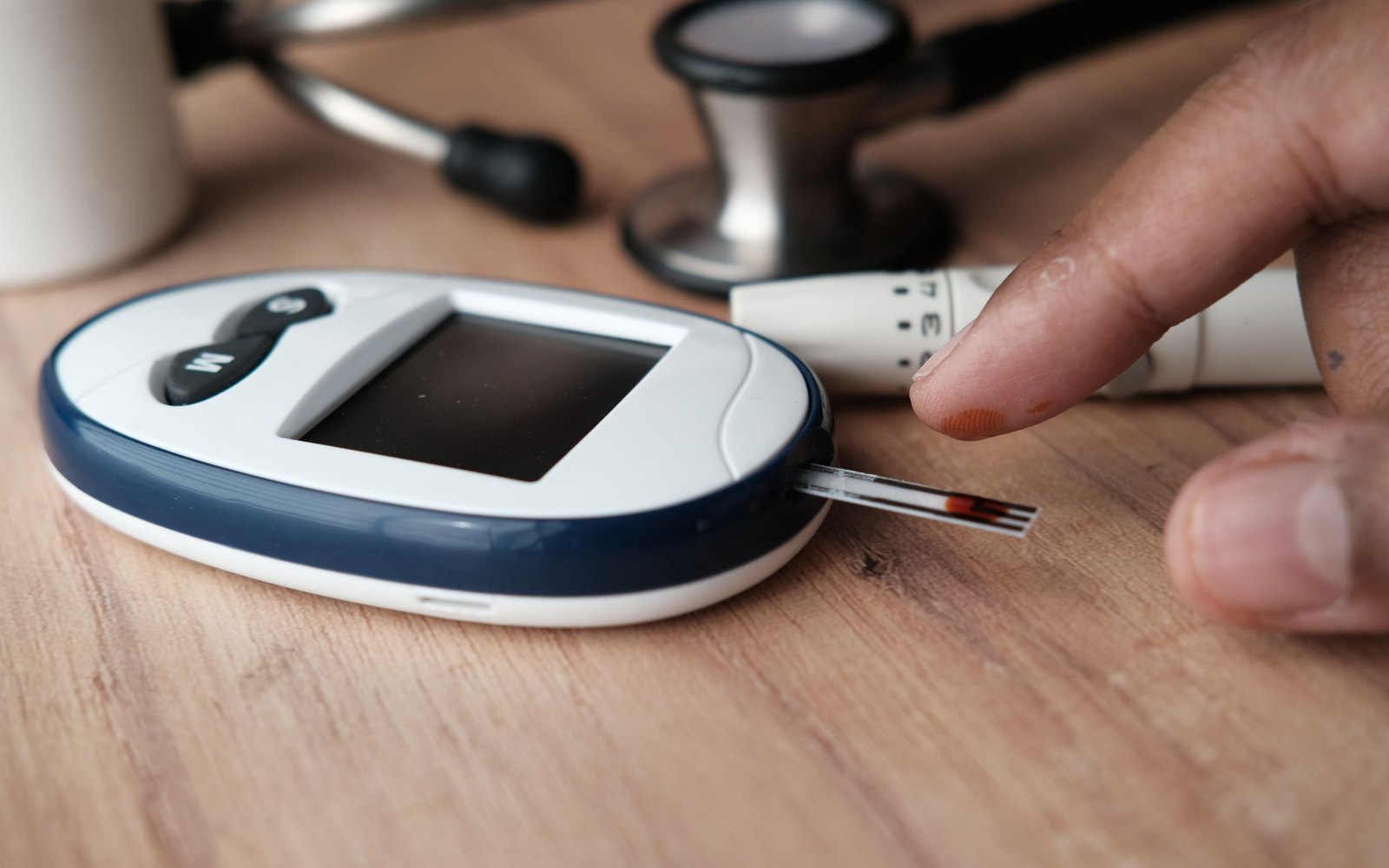
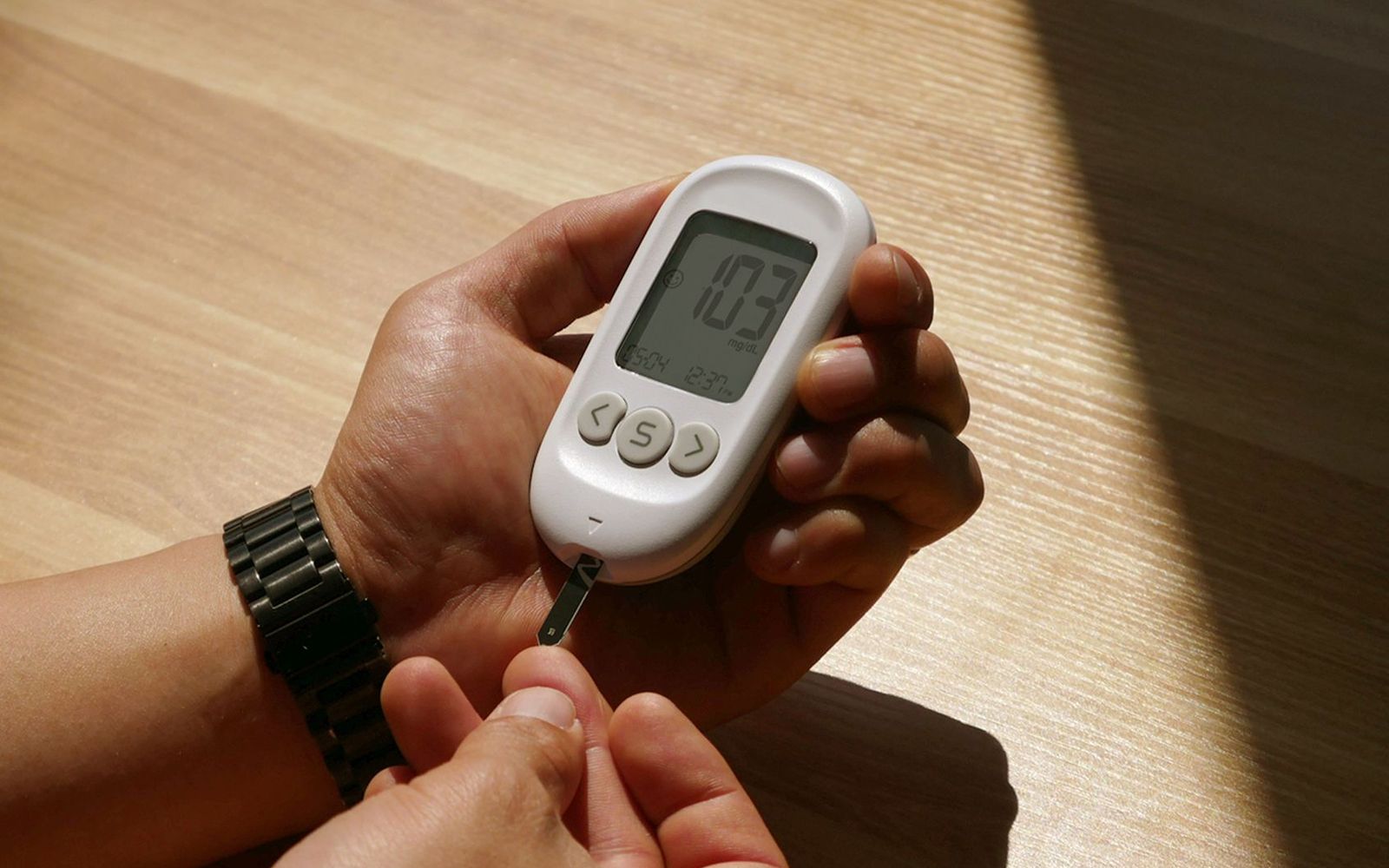
The ADA Standards of Care 2026 define prediabetes as fasting plasma glucose 100 to 125 mg/dL, A1C 5.7 to 6.4%, or a 2-hour OGTT of 140 to 199; diabetes is 126 mg/dL, 6.5%, or 200 and above, confirmed by a second abnormal result unless glucose is unmistakably high with symptoms. The ADA now says screening should begin at 35 for everyone; the USPSTF recommends it for adults 35 to 70 with overweight or obesity, about every three years while normal, and earlier or at a lower BMI (23) for people of Asian ancestry. Our reference pages: A1C and fasting glucose.
LDL cholesterol, triglycerides and HDL
Lab reports still print the NCEP ATP III bands: LDL optimal under 100 mg/dL, near optimal 100 to 129, borderline high 130 to 159, high 160 to 189, very high 190 and above; triglycerides normal under 150; HDL low under 40. The 2018 AHA/ACC cholesterol guideline makes decisions differently: LDL 190 or higher means a high-intensity statin without a risk score, and for adults 40 to 75 the decision runs through a 10-year ASCVD risk estimate. The USPSTF's 2022 recommendation says: at 40 to 75 with at least one risk factor and a 10-year risk of 10% or more, take a statin (Grade B); at 7.5 to 10%, discuss it (Grade C). Metabolic-syndrome criteria set HDL under 40 for men and under 50 for women, and triglycerides at 150. Reference pages: LDL, ApoB, triglycerides, HDL.
Waist circumference and BMI
The NHLBI's cutoffs: a waist of more than 40 inches for men or more than 35 inches for women raises the risk of heart disease and type 2 diabetes; measure just above the hip bones after breathing out. Its 1998 guideline set the same thresholds as 102 and 88 cm. BMI bands: under 18.5 underweight, 18.5 to 24.9 healthy, 25 to 29.9 overweight, 30 and above obesity (class II from 35, class III from 40). Waist adds information BMI misses because it tracks abdominal fat, which is what the metabolic syndrome criteria measure.
The five that make a metabolic syndrome
The NHLBI diagnoses metabolic syndrome from any three of five: a large waist (over 40 inches men, 35 women, with the caveat that different values may apply by race and ethnicity), triglycerides consistently above 150 mg/dL, HDL under 40 (men) or 50 (women), blood pressure consistently at or above 130/85, and fasting glucose of 100 or higher. If you have two, the third is worth preventing.
Sponsored option
Vetted Aug 19, 2026Affiliate link, we may earn a commission at no extra cost to you.
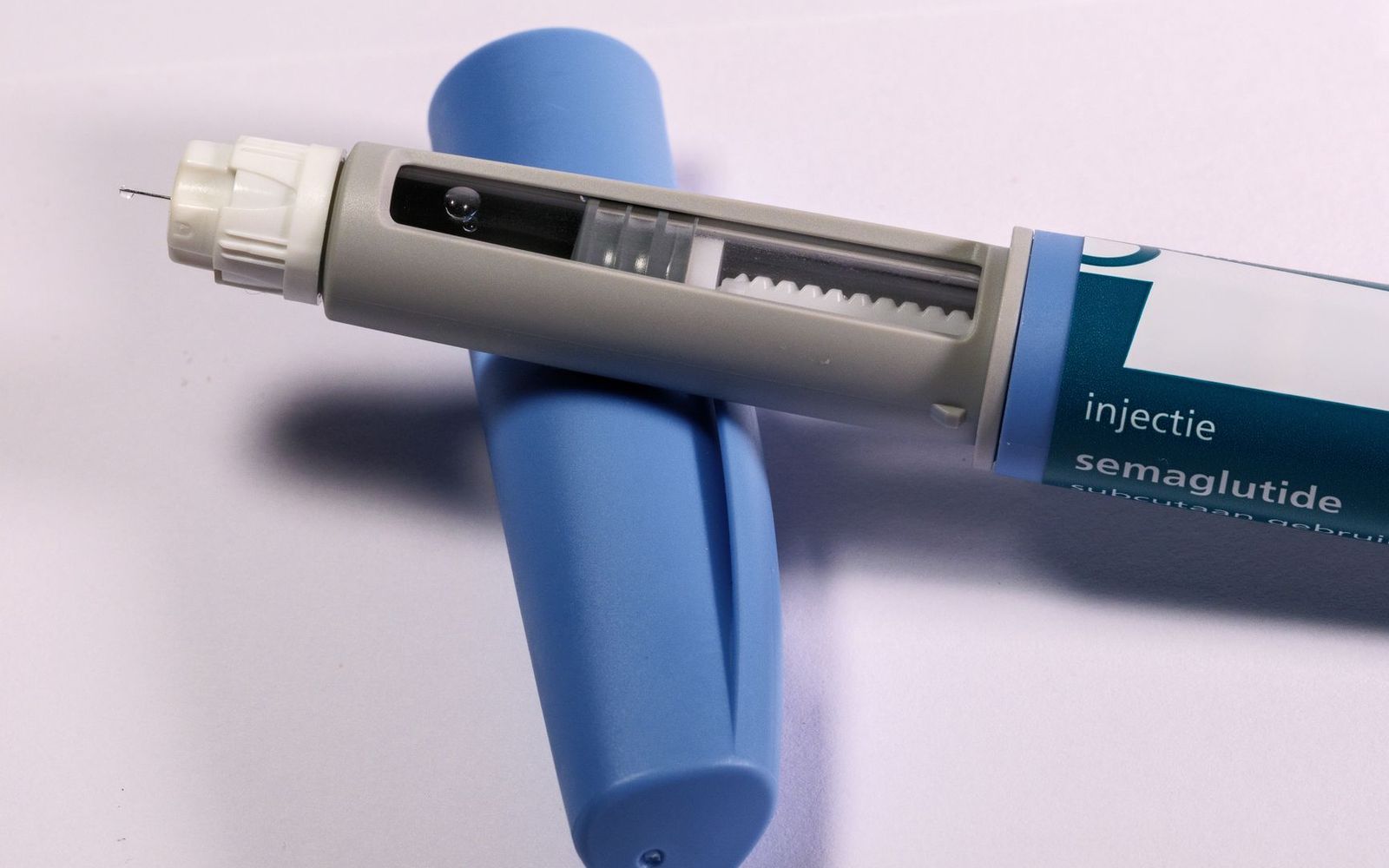
Sells compounded semaglutide and tirzepatide, which are not FDA-approved products.

Trimi Our score 3.3/5
Weight management / GLP-1
Pricing as of Aug 19, 2026
Compounded semaglutide from $99/mo on a 12-month prepay; $175 month to month
The two behaviors with numbers attached
The HHS Physical Activity Guidelines for Americans (2nd edition, 2018; the next edition is not expected until 2028) set 150 to 300 minutes a week of moderate aerobic activity, or 75 to 150 minutes vigorous, plus muscle-strengthening on two or more days a week. The American Academy of Sleep Medicine and Sleep Research Society consensus sets 7 or more hours of sleep a night for adults 18 to 60, and lists weight gain, diabetes, hypertension and heart disease among the outcomes associated with less.
When to talk with a clinician
Any number over its threshold, on a repeat measurement, is a conversation to have. Blood pressure and glucose need confirmation before diagnosis; lipids need a risk estimate before treatment. If you are 40 or older and have never had a 10-year cardiovascular risk estimate, ask for one: it is the number the statin decision hangs on.
Frequently asked questions
What blood pressure is normal after 40?
The same as at any adult age: under 120/80 mm Hg per the 2025 AHA/ACC guideline. What changes at 40 is the USPSTF's screening interval, which becomes yearly.
At what age should I get an A1C test?
The ADA's 2026 Standards say screening should begin at 35 for everyone; the USPSTF recommends 35 to 70 for adults with overweight or obesity, repeated about every three years while normal.
Is a waist of 38 inches a problem for a man?
The NHLBI cutoff for men is more than 40 inches; 38 is under it. Waist is one of five metabolic-syndrome criteria, so it counts alongside blood pressure, glucose, triglycerides and HDL rather than on its own.