The products, in one table
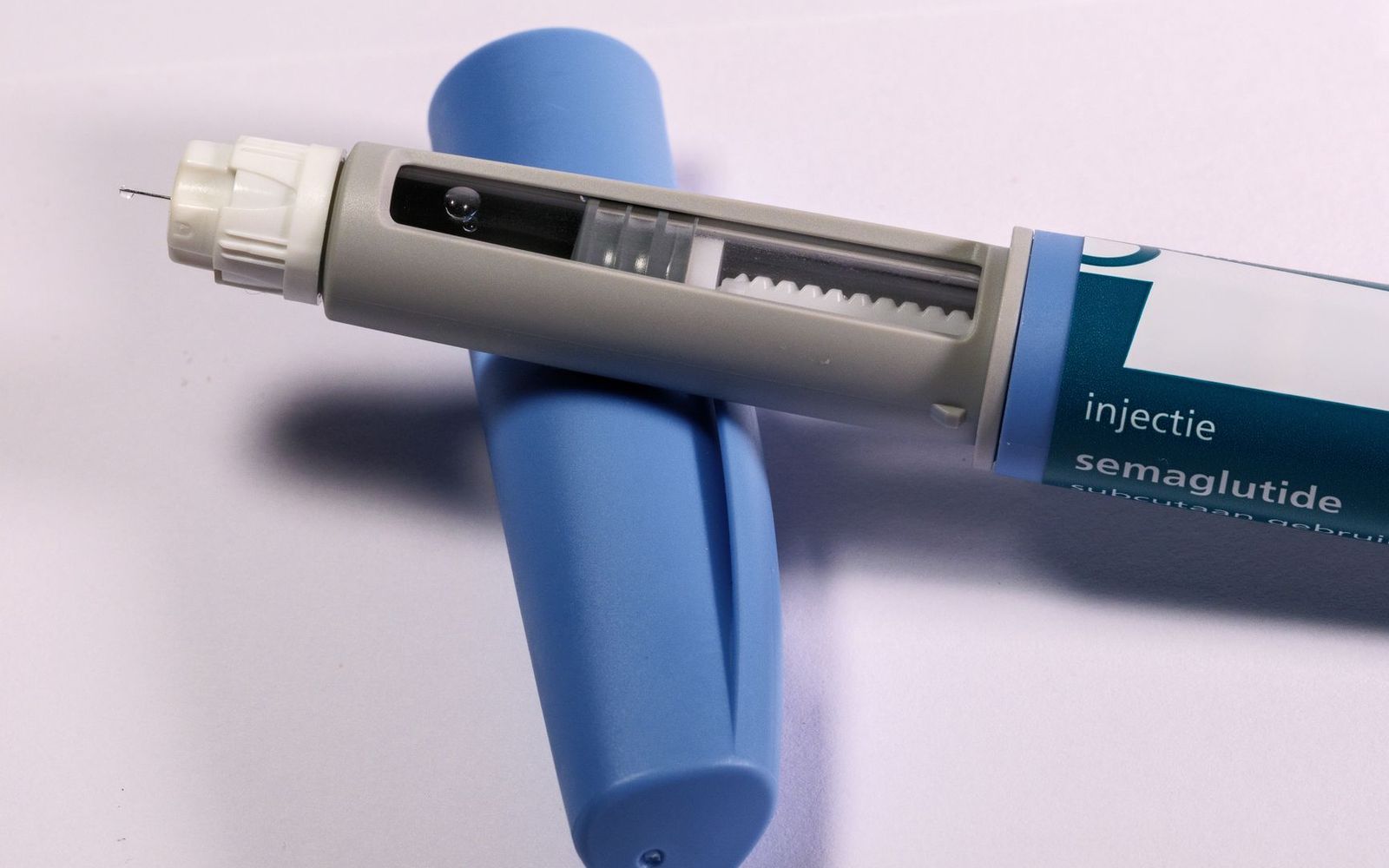
Same active ingredient does not mean the same product: Ozempic and Wegovy are both semaglutide but differ in dose and approved use, as do Mounjaro and Zepbound (tirzepatide). Dates are the original FDA approvals from Drugs@FDA; results are the intention-to-treat figures in each label's clinical studies section (the label's numbers, not the company's adherence-based estimates, which run higher).
| Product | Molecule | Approved for | How taken | Label result (mean weight loss vs placebo) |
|---|---|---|---|---|
| Wegovy injection | semaglutide | Weight (2021); cardiovascular risk reduction (2024); MASH (2025); 7.2 mg dose (Mar 2026) | Weekly pen; 1.7 or 2.4 mg maintenance; 7.2 mg (Wegovy HD) | 2.4 mg: 14.9% vs 2.4% at 68 wk; 7.2 mg: 18.8% vs 3.9% at 72 wk |
| Wegovy tablets | semaglutide | Weight and CV risk (Dec 22, 2025) | Daily tablet; 25 mg maintenance after 1.5, 4, 9 mg steps | 13.6% vs 2.4% at 64 wk |
| Zepbound | tirzepatide | Weight (Nov 8, 2023); obstructive sleep apnea (Dec 2024) | Weekly pen or vial; 5, 10 or 15 mg maintenance | 15 mg: 20.9% vs 3.1% at 72 wk (10 mg 19.5%; 5 mg 15.0%) |
| Foundayo | orforglipron | Weight (Apr 1, 2026) | Daily tablet; 0.8 mg start, up to 17.2 mg | 17.2 mg: 11.1% vs 2.1% at 72 wk |
| Saxenda (and generics) | liraglutide | Weight (Dec 2014); first generic Aug 2025 | Daily injection; 3 mg | 7.4% vs 3.0% at 56 wk |
| Ozempic | semaglutide | Type 2 diabetes (2017), plus CV and kidney outcomes | Weekly pen; 0.5, 1 or 2 mg | Not approved for weight; prescribed off-label |
| Mounjaro | tirzepatide | Type 2 diabetes (May 2022), adults and children 10+ | Weekly pen or vial; up to 15 mg | Not approved for weight; prescribed off-label |
| Rybelsus / Ozempic tablets | semaglutide | Type 2 diabetes (2019) | Daily tablet | Not approved for weight |
How to read the trial numbers
The figures above come from each label's own tables (Wegovy Studies 2, 7 and 8; Zepbound Study 1; Foundayo Trials 1 and 2; Saxenda Study 1). They are averages for everyone randomized, including people who stopped early. Manufacturers also publish higher figures for people who stayed on treatment: Novo's release quotes about 21% for Wegovy HD and 16.6% for the pill, and Lilly's quotes 12.4% for Foundayo; those are the same trials measured a different way. Trials also differ in length (56 to 72 weeks) and in who enrolled, so a difference of a few points between two products is not a head-to-head result.
What every label says about risk
Each product carries a boxed warning: in rodents, GLP-1 receptor agonists cause thyroid C-cell tumours, and whether they do so in humans is unknown, so all are contraindicated with a personal or family history of medullary thyroid carcinoma or MEN 2. Foundayo's boxed warning notes that orforglipron itself did not produce rodent tumours but carries the class warning. The labels also warn about pancreatitis, gallbladder disease, hypoglycaemia with insulin or sulfonylureas, and kidney injury from dehydration; read the one that applies to you.
What they cost without insurance, August 2026
Manufacturer self-pay prices, from the NovoCare and LillyDirect price pages read on 2026-08-19: Wegovy tablets $149 (1.5 mg; 4 mg at $149 until August 31, 2026, then $199) and $299 (9 and 25 mg); Wegovy pen $199 a month for the first two months of 0.25 or 0.5 mg for new patients, then $349 for all doses through 2.4 mg, and $399 for Wegovy HD 7.2 mg; Zepbound $299 (2.5 mg), $399 (5 mg), and $449 for 7.5 to 15 mg if you refill within 45 days, otherwise $499 to $699; Foundayo $149 (0.8 mg), $199 (2.5 mg), $299 (5.5 to 17.2 mg, with the same 45-day condition at the top two doses); Mounjaro $499 at every strength. Our cost guide covers list prices, savings cards and Medicare.
Sponsored option
Vetted Aug 19, 2026Affiliate link, we may earn a commission at no extra cost to you.
Sells compounded semaglutide and tirzepatide, which are not FDA-approved products.

Trimi Our score 3.3/5
Weight management / GLP-1
Pricing as of Aug 19, 2026
Compounded semaglutide from $99/mo on a 12-month prepay; $175 month to month
Which one, and who decides
That is a prescribing decision. The labels give the shape of it: Zepbound and Wegovy HD have the largest label results; the pills avoid injections and Foundayo has no food or water rules; Ozempic and Mounjaro are diabetes drugs that some clinicians prescribe off-label. Insurance often decides more than preference does. Whichever it is, the drug should come from a licensed prescriber and a pharmacy you can look up; our guide to how online prescribing works explains what to check.
When to talk with a clinician
Before starting any of these, and especially if you have thyroid cancer in the family, a history of pancreatitis or gallbladder disease, take insulin or a sulfonylurea, or are pregnant or planning to be. If you are switching between products, the labels warn against using two GLP-1 products at once.
Frequently asked questions
Which GLP-1 works best for weight loss?
By label result, Zepbound 15 mg (20.9% at 72 weeks) and Wegovy HD 7.2 mg (18.8%). The trials were not head to head, and individual response varies; a clinician weighs tolerability, other conditions and coverage.
Is Ozempic approved for weight loss?
No. Ozempic is approved for type 2 diabetes (with cardiovascular and kidney outcome indications). Wegovy is the semaglutide product approved for weight.
Is there a GLP-1 pill for weight loss?
Two: Wegovy tablets (semaglutide 25 mg, approved December 2025) and Foundayo (orforglipron, approved April 2026). Rybelsus and Ozempic tablets are diabetes products.
Is there a generic GLP-1?
Generic liraglutide: the FDA approved the first generic referencing Victoza in December 2024 and the first referencing Saxenda in August 2025. There is no generic semaglutide or tirzepatide; compounded versions are not generics.