Who is actually prescribing
Read any program's terms and you will find a sentence like "we do not practice medicine". The company you pay is usually a management services organization or marketplace; an independent medical group employs or contracts the clinicians; a separate pharmacy dispenses. That structure is common and lawful. It matters because it tells you where accountability sits: the clinician's state license, the pharmacy's state license, and the platform's terms of sale are three different things to check.
The rule that decides everything: licensure follows the patient
The Federation of State Medical Boards' telemedicine policy puts it plainly: a physician must be licensed, or appropriately authorized, by the medical board of the state where the patient is located, because the practice of medicine occurs where the patient is at the time telemedicine is used. That is why programs ask for your state before anything else, and why some programs are not available in every state: they need a licensed clinician for each one.
What a real evaluation includes
The same FSMB policy sets the floor. A practitioner using telemedicine must meet the same standard of care as in person. A physician-patient relationship can be established online without a prior in-person visit, but a documented medical evaluation and relevant history must be collected before treatment, including before any prescription, and diagnosis or prescribing based solely on static online questionnaires is not acceptable: the clinician must be able to ask follow-up questions. The policy also asks that the patient's identity and location be verified and the clinician's identity and credentials disclosed.
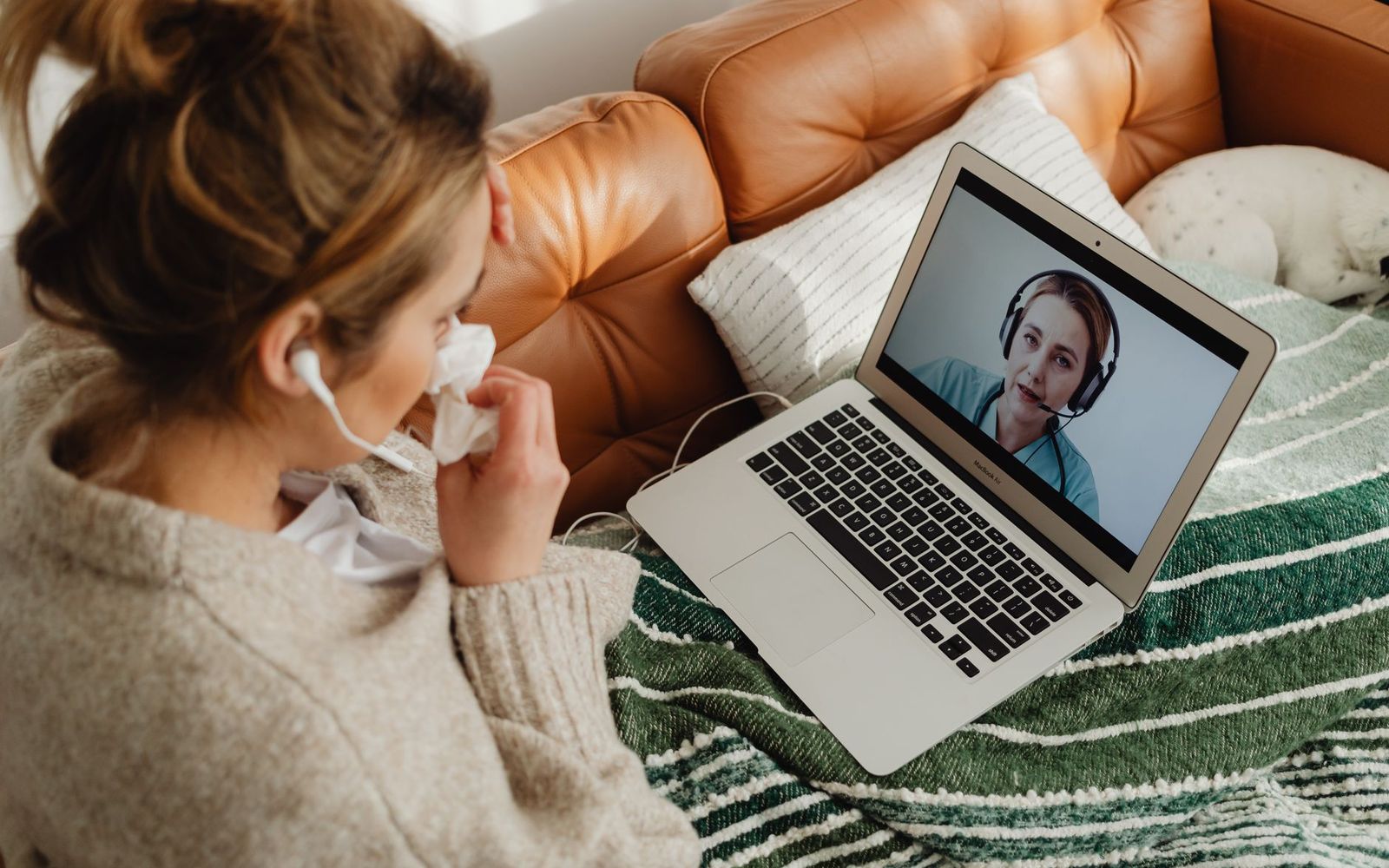
In practice a legitimate program will: collect a health history and current medications; verify your identity and state; have a named, licensed clinician review it, with the ability to message or call you; and either require a video visit or explain why an asynchronous review is permitted in your state. It will also tell you who the clinician is when asked.
Video visit or not? Controlled substances are the dividing line
Under the federal Ryan Haight Act, a controlled substance can be prescribed remotely only after at least one in-person evaluation, subject to exceptions; the DEA and HHS have extended pandemic-era flexibilities for controlled-substance telemedicine through December 31, 2026, in a fourth temporary rule. GLP-1s are not affected: semaglutide, tirzepatide and liraglutide do not appear on the DEA's schedules of controlled substances (we checked the list dated August 27, 2026, and confirmed the check works by finding testosterone, which is Schedule III). So no federal rule requires an in-person or video visit for a GLP-1; state law and the clinician's judgment decide, and a few states do require video.
Sponsored option
Vetted Aug 19, 2026Affiliate link, we may earn a commission at no extra cost to you.

Sesame Our score 4.0/5
Telehealth / primary care
Pricing as of Aug 19, 2026
Telehealth visits from $34; weight-loss program $99/mo or $59/mo annual
Who the approved drugs are for
The Wegovy label (revised June 2026) indicates it, alongside diet and activity, to reduce excess body weight in adults and adolescents 12 and older with obesity and in adults with overweight in the presence of at least one weight-related comorbid condition, and to reduce cardiovascular events in adults with established cardiovascular disease and obesity or overweight. The Zepbound label (revised April 2026) covers adults with obesity or with overweight plus a weight-related condition, and moderate to severe obstructive sleep apnea in adults with obesity. The trials behind those approvals enrolled adults with BMI 30 or higher, or 27 to 30 with a condition such as high blood pressure or dyslipidaemia; that is the eligibility most programs apply. Both labels contraindicate the drugs in anyone with a personal or family history of medullary thyroid carcinoma or MEN 2 and carry a boxed warning about thyroid C-cell tumours. A program that does not ask about thyroid cancer history is not evaluating you.
Brand or compounded, and why it matters here
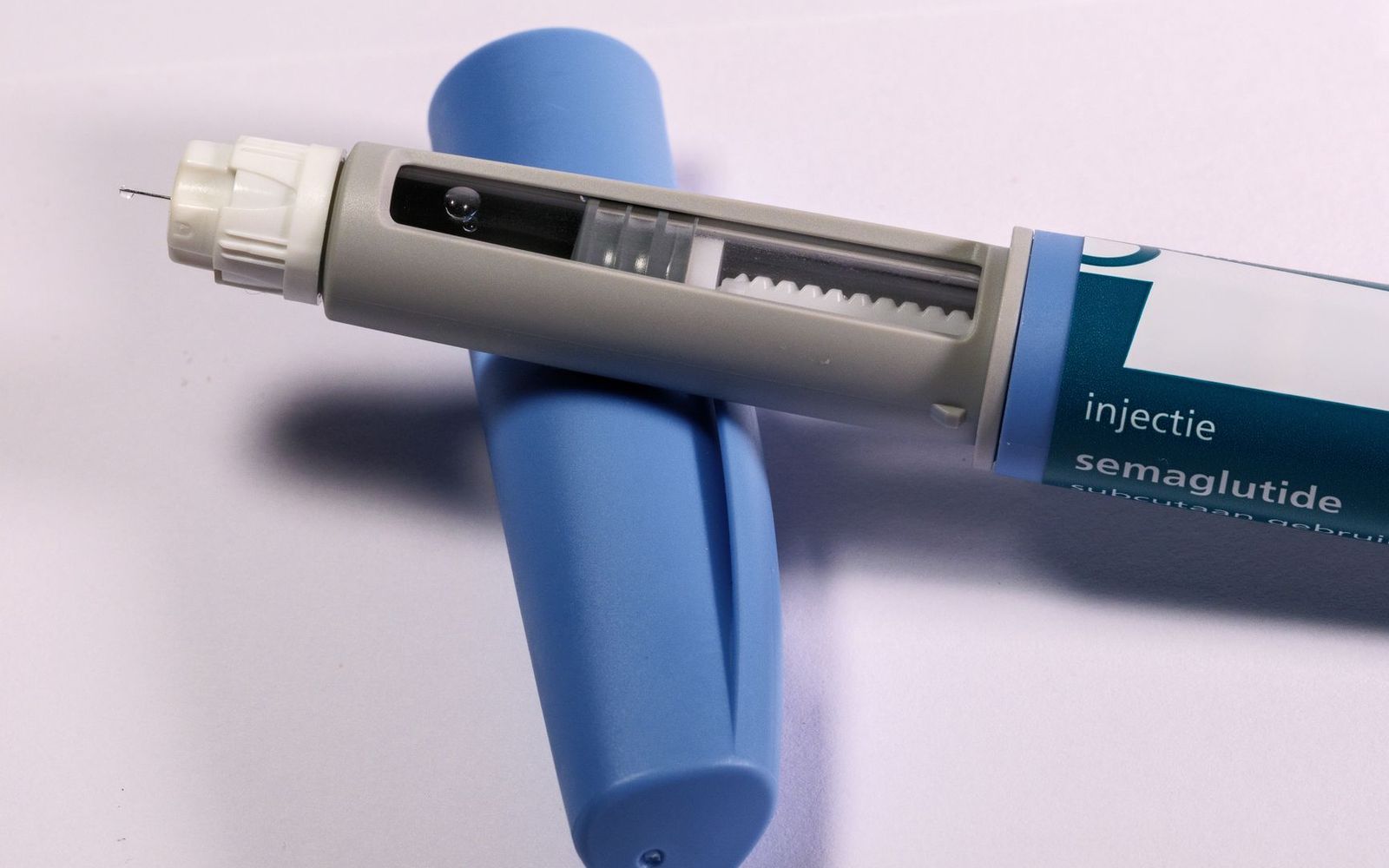
Some programs prescribe only FDA-approved products (Wegovy, Zepbound, Ozempic, Mounjaro, Foundayo, Wegovy tablets), filled by a retail or manufacturer pharmacy. Others prescribe compounded semaglutide or tirzepatide made by a compounding pharmacy; those are not FDA-approved products, and the FDA has warned 113 telehealth sellers since September 2025 about how they are marketed. Our explainer on compounded GLP-1s covers the record. Whichever route, the program should state plainly which it is.
The checks to run before you pay
- Clinician: who is the medical group, and can you see a name and license state? The FDA lists 'no licensed doctor available to answer questions after you receive your medication' as a red flag.
- Pharmacy: which pharmacy dispenses, and is it licensed in your state? Look it up through the state board of pharmacy (the FDA's BeSafeRx page links every state).
- Product: FDA-approved brand, or compounded? If compounded, is the disclosure that it is not FDA-approved on the page, and does the copy avoid the claims the FDA has cited ('same active ingredient', 'generic', 'clinically proven')?
- Money: what is the membership fee, is medication included, is there a minimum term, what is refunded if a clinician does not prescribe, and can you cancel before a prescription is issued? Read the terms of sale, not the pricing banner.
- Insurance: does the program bill insurance, help with prior authorization, or is it cash-pay only?
We run these checks on every program before it appears on this site; the results are on how we pick and on each ranked program page.
When to talk with a clinician
Your own clinician, before you start: to review contraindications and interactions (insulin, sulfonylureas), to decide whether a GLP-1 is the right tool for you, and to make sure the program's clinician knows what your primary care team knows. If a program will not share records with your doctor on request, that is a reason to walk away.
Frequently asked questions
Do I need a video visit to get a GLP-1 online?
Not under federal law, because semaglutide and tirzepatide are not controlled substances. Some states require video for any prescribing, and some programs require it as policy; the program should tell you which applies to your state.
Is a questionnaire enough for a prescription?
Not on its own. The FSMB policy says prescribing based solely on static online questionnaires is not acceptable; the clinician must be able to obtain further history and ask follow-up questions.
How do I know the pharmacy is real?
Ask the program to name it, then look it up on that state's board of pharmacy license search. If the seller's own name is on the vial and the seller is not a pharmacy, the FDA has cited that practice.