What compounded means, in the FDA's words
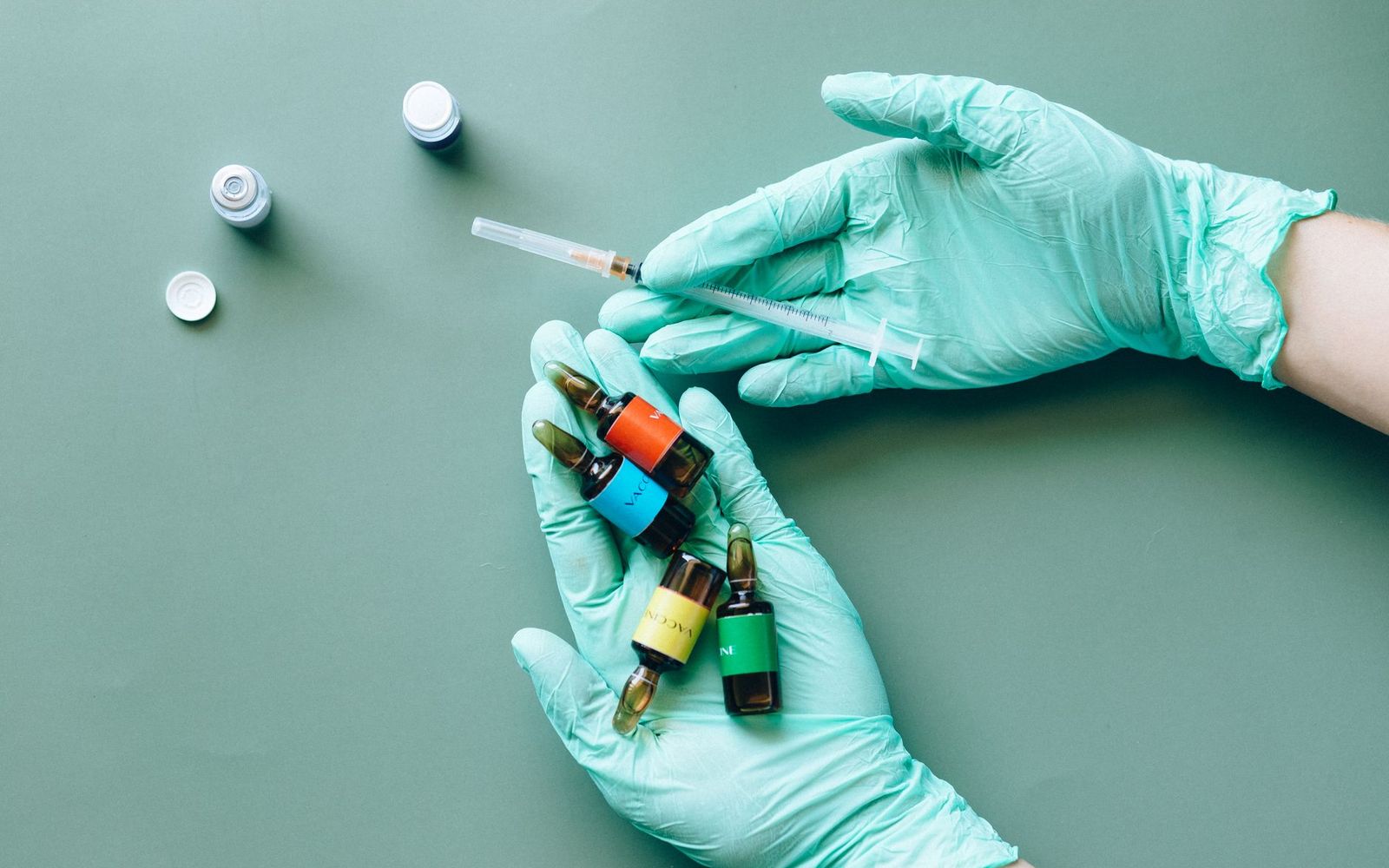
Compounding is when a licensed pharmacist or physician combines, mixes or alters ingredients to make a medication for an individual patient. In the FDA's words, compounded drugs are not FDA approved, which means the agency does not review their safety, effectiveness or quality before they are marketed. Two kinds of compounder exist under federal law: state-licensed pharmacies operating under section 503A, overseen day to day by state boards of pharmacy, and outsourcing facilities registered with the FDA under section 503B, which the FDA inspects on a risk-based schedule and which must meet current good manufacturing practice. 503A pharmacies are not held to that manufacturing standard.
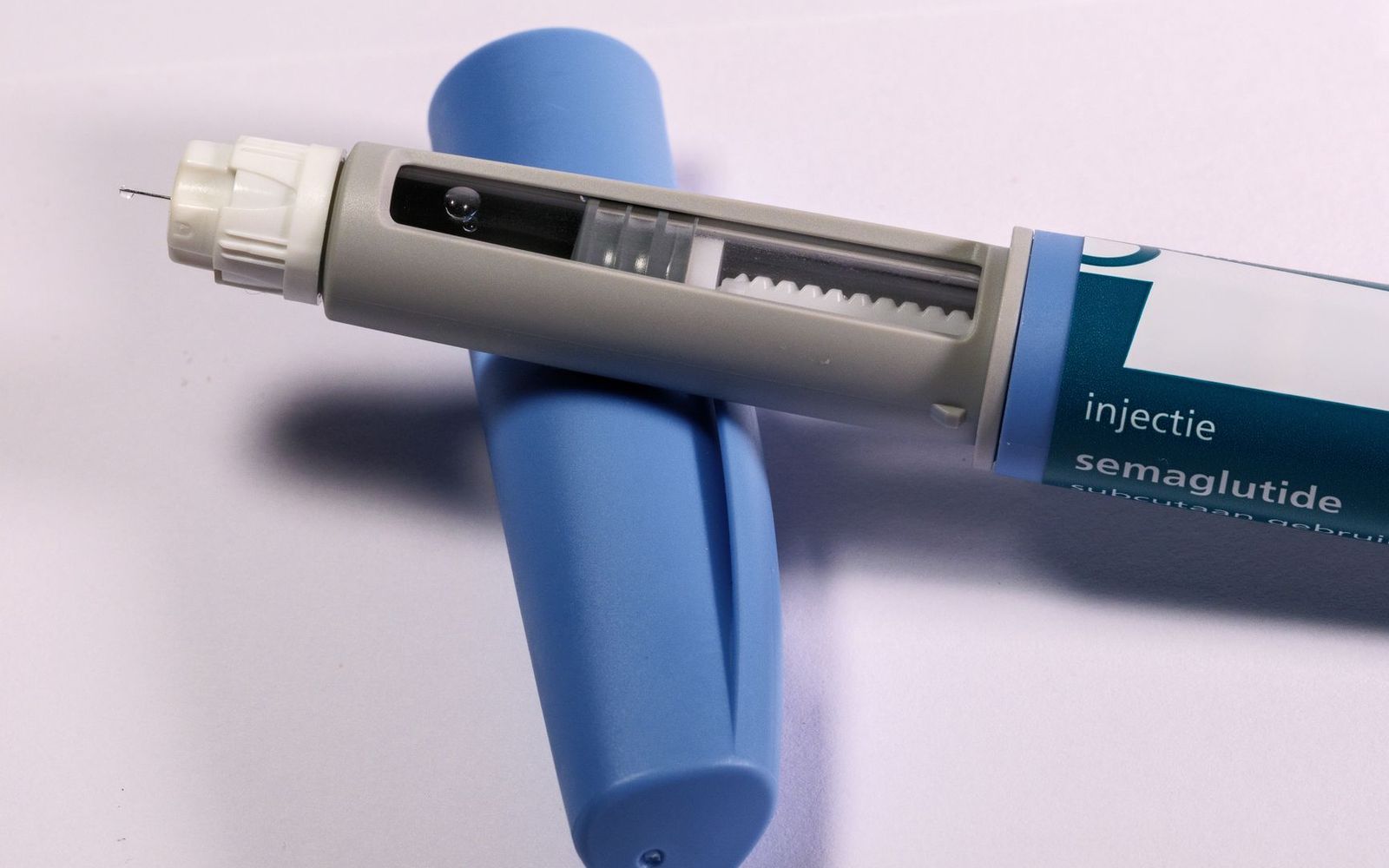
The FDA is explicit that a compounded drug is not a generic. A generic is approved by the FDA before marketing; a compounded drug is not. When a seller calls compounded semaglutide "generic Ozempic", that sentence is one of the claims the FDA has cited in warning letters.
Why compounding was allowed at scale, and why it stopped
Federal law lets compounders make copies of a commercially available drug when it is on the FDA's shortage list. Semaglutide injection products had been in shortage since 2022 and tirzepatide since 2022 as well. The FDA declared the tirzepatide shortage resolved on December 19, 2024, and the semaglutide shortage resolved on February 21, 2025. Each announcement came with a grace period: 60 days for 503A pharmacies and 90 days for 503B facilities, ending on April 22 and May 22, 2025 for semaglutide. Court challenges by compounders failed (rulings on March 5 and April 24, 2025), and the FDA confirmed the 503A discretion periods had ended.
As of the FDA's April 1, 2026 update, neither drug appears on the 503B bulks list or the shortage list. What remains lawful is narrow: compounding for a patient whose medical need cannot be met by the approved product, and the FDA has said it does not intend to act against a compounder that fills four or fewer prescriptions of an essentially-a-copy product in a calendar month. Programs advertising compounded semaglutide to the general public at scale are operating outside the conditions the FDA describes.
What the FDA has found
The FDA's concerns page, updated June 15, 2026, lists what it has seen. Adverse-event reports: 990 for compounded semaglutide and more than 730 for compounded tirzepatide as of May 31, 2026, with the caveat that 503A pharmacies are not required to report events, so the true count is likely higher. Dosing errors: patients measuring the wrong dose from vials, prescribers miscalculating, and doses beyond the approved label, some requiring hospitalization. Salt forms: some compounders have used semaglutide sodium or semaglutide acetate, which the FDA says are different active ingredients from the approved drug with no lawful basis for use in compounding. Fraud: products labeled with pharmacy names that do not exist, products shipped warm, and 'research use only' products sold for injection.
The warning-letter record
On September 9, 2025 the FDA sent 58 warning letters to telehealth companies with the subject "Unlawful Sale of Unapproved and Misbranded Drugs to United States Consumers Over the Internet (Telehealth)". On February 20, 2026 it sent 30 more, announced March 3, and on June 8, 2026 another 25. We counted them from the FDA's own warning-letter database using the search term the FDA itself recommends, "telehealth". The conduct cited is consistent across all three waves: claiming a compounded product has the same active ingredient as, or is the same as, an FDA-approved drug; calling it a generic; calling it clinically proven; and printing the telehealth company's own name on the vial label so the buyer thinks the seller is the compounder.
On February 6, 2026 the FDA Commissioner announced the agency's intent to restrict GLP-1 active pharmaceutical ingredients intended for mass-marketed compounded products, naming Hims & Hers among the companies, and repeated the prohibited claims: not generic, not the same, not the same active ingredient, not clinically proven.
How to check a seller before you pay
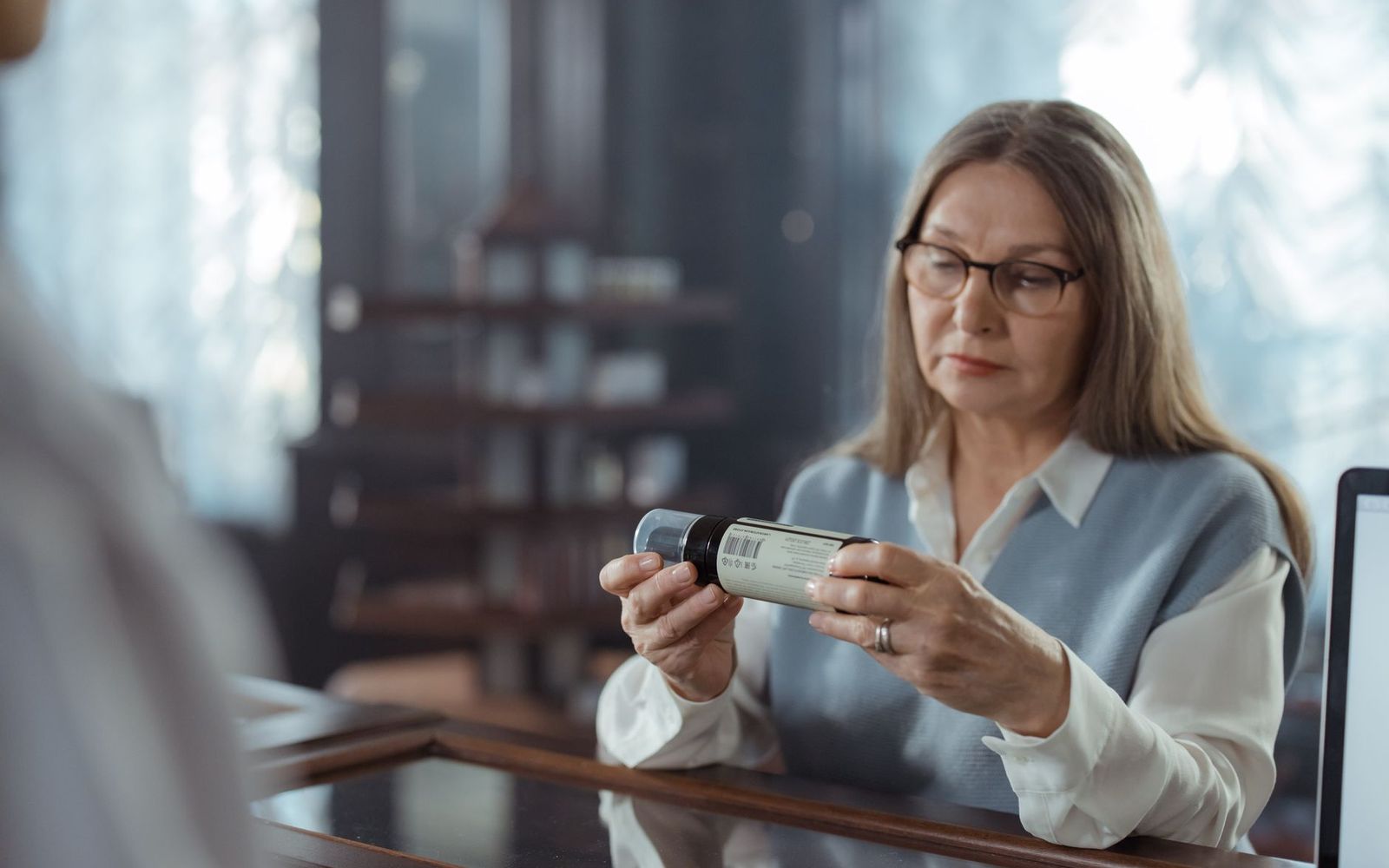
The FDA's BeSafeRx checklist is the baseline. A safe pharmacy always requires a prescription, gives a US street address and phone number, has a licensed pharmacist to answer questions, and is licensed with a state board of pharmacy. Warning signs include no prescription required, prices that seem too good to be true, and packaging that arrives damaged, in a foreign language, or without an expiration date. Then add the GLP-1-specific checks:
- Who is the compounder? The seller should name the pharmacy. Look it up on that state's board of pharmacy license search (the FDA lists every state's lookup page). If the seller's name is on the vial and the seller is not a pharmacy, that is one of the practices the FDA has cited.
- Search the FDA warning-letter database for the seller's name and the pharmacy's name. Search 'telehealth' to see the three waves.
- Read the product page for the banned claims. 'Same active ingredient as Ozempic', 'generic Wegovy', 'FDA-approved ingredients', 'clinically proven': each is a claim the FDA has cited as false or misleading.
- Is a licensed clinician actually evaluating you? The FDA lists 'does not require a screening and prescription by a licensed doctor' as a red flag, and state medical boards require a documented evaluation before any prescription. A static questionnaire with no follow-up questions does not meet that standard.
- Is the product a salt form, or something that is not semaglutide or tirzepatide at all? Retatrutide and cagrilintide cannot lawfully be compounded, and semaglutide sodium or acetate is not the approved active ingredient.
When to talk with a clinician
Before starting any GLP-1, compounded or not: the approved labels contraindicate these drugs in anyone with a personal or family history of medullary thyroid carcinoma or MEN 2, and they interact with insulin and sulfonylureas. If you are already taking a compounded product and have symptoms the FDA lists (nausea, vomiting, diarrhea, abdominal pain, constipation that is severe or persistent), stop and seek care, and report the event to FDA MedWatch.
Frequently asked questions
Is compounded semaglutide FDA-approved?
No. The FDA states that compounded drugs are not FDA approved and are not reviewed for safety, effectiveness or quality before marketing. The only FDA-approved semaglutide products are Ozempic, Wegovy and Rybelsus (Novo Nordisk); the only approved tirzepatide products are Zepbound and Mounjaro (Lilly).
Is it still legal to sell compounded semaglutide?
Compounding itself is legal under sections 503A and 503B of the federal food and drug law, but making copies of a commercially available drug is allowed only in narrow circumstances now that the shortages are over. Mass marketing of copies is what the FDA's 2025 and 2026 warning letters and the February 2026 Commissioner statement target.
How can I tell if a telehealth company has an FDA warning letter?
Search the FDA warning-letter database by the company's name, and by the pharmacy's name if the seller discloses it. The FDA recommends the search term 'telehealth' to see the compounded-GLP-1 letters as a group.
Are compounded GLP-1s the same as generics?
No. The FDA says so directly: a generic is approved before it is sold; a compounded drug is not.