The constraint is how little you can eat, not what
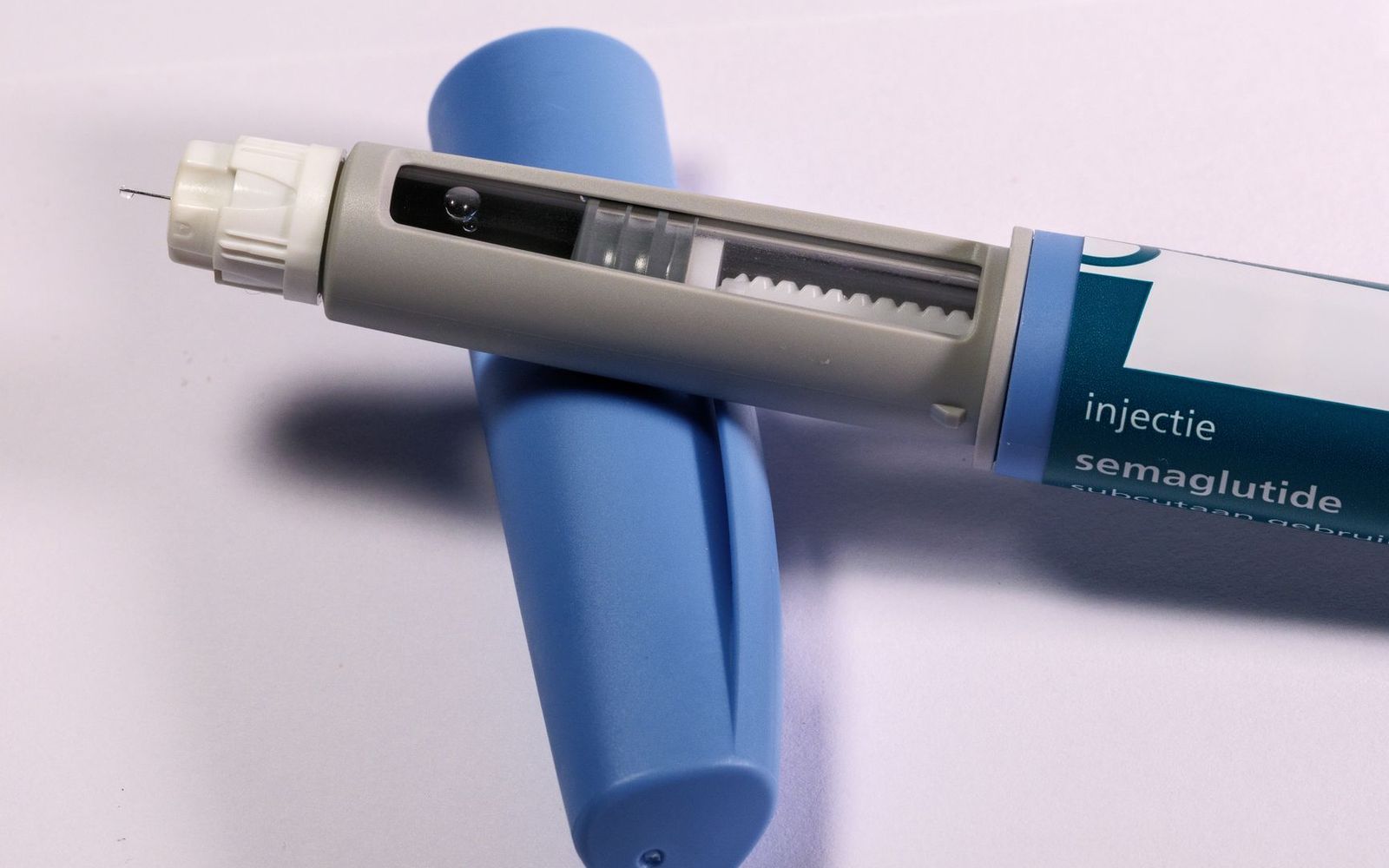
GLP-1 receptor agonists work in part by slowing how fast the stomach empties and by acting on appetite signaling. The practical result is a much smaller eating window and a much smaller volume tolerated inside it. People routinely describe getting full three or four bites into a meal they would previously have finished.
That reframes the food question entirely. When total intake falls by a large fraction, the nutrients most likely to fall short are the ones that were never in surplus: protein, iron, calcium, B12, and fluid. A guide that tells you to avoid ultra-processed food is not wrong, but it is answering the problem you had last year. The problem now is getting enough in.
This is the same problem bariatric surgery programs have managed for decades, with structured protein targets, planned fluids and routine micronutrient monitoring. A 2026 review in the International Journal of Obesity argues explicitly that GLP-1 therapy has been rolled out without the nutrition scaffolding that surgical weight loss takes for granted.
What the label says your gut will do
You do not have to guess at the side effects. They are tabulated in the prescribing information, with placebo rates next to them so you can see how much of each is the drug and how much is life. These are the figures for semaglutide 2.4 mg in adults treated for weight reduction.
| Effect | Semaglutide 2.4 mg (n=2,116) | Placebo (n=1,261) |
|---|---|---|
| Nausea | 44% | 16% |
| Diarrhea | 30% | 16% |
| Vomiting | 24% | 6% |
| Constipation | 24% | 11% |
| Abdominal pain | 20% | 10% |
| Dyspepsia | 9% | 3% |
| Abdominal distension | 7% | 5% |
| Gastroesophageal reflux disease | 5% | 3% |
| Hair loss | 3% | 1% |
Read that table as a menu-planning document rather than a warning. Nausea, reflux and early fullness are the constraints on meal size and fat content. Constipation is the constraint on fiber and fluid. Hair loss at 3 percent versus 1 percent is a marker of how sharply intake can fall, because rapid weight loss and low protein intake are both established triggers for shedding.
Protein first, at every meal
If you eat in the order the plate is arranged, you will fill up on whatever happens to be nearest. Eat the protein first, every time, because it is the component you are most likely to run out of room for and the one hardest to make up later in the day.
Weight lost quickly is never purely fat, whatever the cause of the deficit. That is true of surgery, of a crash diet, and of a drug that cuts intake sharply. What changes on a GLP-1 is not the biology of protein requirement but the difficulty of meeting it, because appetite suppression and nausea are working against the exact meals that would meet it. Our guide to protein after 40 sets out the actual targets and where the official recommendations contradict each other.
Practically, that favors protein that is dense and easy: eggs, Greek yogurt and skyr, cottage cheese, fish, chicken thigh rather than breast if dryness is putting you off, tofu, lentils, and liquid protein when solids are unappealing. A protein shake is not a compromise here. On a day when nausea makes a plate of food impossible, it is often the only route to a target you will otherwise miss.
What tends to make the side effects worse
These are patterns rather than prohibitions, and they are downstream of the mechanism rather than of any food being unhealthy. Fried and heavily fatty meals compound delayed emptying. Very large portions do the same, which is why several small meals usually beat two or three normal ones. Alcohol on an emptier stomach hits harder and irritates a gut already prone to reflux. Carbonated drinks add gas to a stomach that is already distended in 7 percent of people. Strongly smelling or very sweet food is often the first thing to trigger nausea, and that varies enough between people that your own experience beats any list.
Timing matters as much as content. Symptoms cluster in the day or two after an injection and after each dose escalation, so plan the lightest, blandest eating for that window and do the more ambitious meals when you are furthest from the last dose.
Sponsored option
Vetted Aug 19, 2026Affiliate link, we may earn a commission at no extra cost to you.
Sells compounded semaglutide and tirzepatide, which are not FDA-approved products.

Trimi Our score 3.3/5
Weight management / GLP-1
Pricing as of Aug 19, 2026
Compounded semaglutide from $99/mo on a 12-month prepay; $175 month to month
Fluid and fiber have to be scheduled
Nearly a quarter of people on semaglutide 2.4 mg report constipation, against 11 percent on placebo. Two things drive it: less food in means less bulk, and thirst is easy to miss when appetite signaling is blunted. Neither resolves itself.
Treat both as appointments rather than instincts. Drink to a schedule instead of waiting to feel thirsty, and sip between meals rather than with them, since filling the stomach with liquid at mealtime costs you the food you were going to eat. Get fiber from foods that carry it alongside water and nutrition, such as beans, oats, berries and vegetables, rather than adding a bulking supplement to a gut that is already slow, which can make distension worse. If constipation persists, that is a conversation with the prescriber, not a food problem to solve alone.
A day that works with the drug
The shape that tends to work is four or five small protein-anchored occasions rather than three meals, with fat spread across them, fluid between them, and the largest one at whatever time of day your appetite is reliably best. For most people that is earlier than they expect, because nausea often builds through the day.
None of this is a diet. It is a way of arranging food so that a much smaller total intake still carries what your body needs, which is the actual job in front of you once the appetite effect arrives.
Frequently asked questions
Are there foods I have to avoid on a GLP-1?
No food is forbidden. The patterns that reliably cause trouble are large portions, heavily fried or fatty meals, alcohol and carbonated drinks, because each one compounds the delayed stomach emptying the drug already causes. Individual triggers vary a lot, so your own record of what sits badly is more useful than any general list.
Do I need a protein shake?
Not by default, but they solve a real problem. On days when nausea makes solid food unappealing, a shake is often the only practical way to hit a protein target you would otherwise miss entirely. That is a better outcome than a nominally cleaner day with far too little protein in it.
Why am I constipated?
Both inputs fell at once: less food means less bulk, and blunted appetite signaling makes it easy to drink far less without noticing. The semaglutide label reports constipation in 24 percent of people against 11 percent on placebo. Scheduled fluid and fiber from whole foods are the first moves; if it persists, raise it with your prescriber.
Should I eat less fat?
Less at any one sitting, not less overall. Fat slows stomach emptying by itself, so concentrating it in a single meal on a drug that already slows emptying is what produces hours of heaviness and reflux. Spreading the same amount of fat across four or five smaller occasions is usually tolerated far better.
Will eating more protein stop me losing muscle?
Protein adequacy and resistance training are the two things within your control, and rapid weight loss from any cause takes some lean tissue with it. What the drug changes is not the requirement but the difficulty of meeting it, since appetite suppression works against exactly the meals that would. Discuss it with your clinician if you are losing weight very fast.
When to talk with a clinician
Vomiting that stops you keeping fluids down, severe or persistent abdominal pain, or signs of dehydration are reasons to make contact promptly rather than to adjust your diet. So is constipation that does not respond to fluid and food changes. Tell any clinician planning a procedure that you take a GLP-1: the label carries a specific warning about stomach contents remaining despite fasting before general anesthesia or deep sedation.