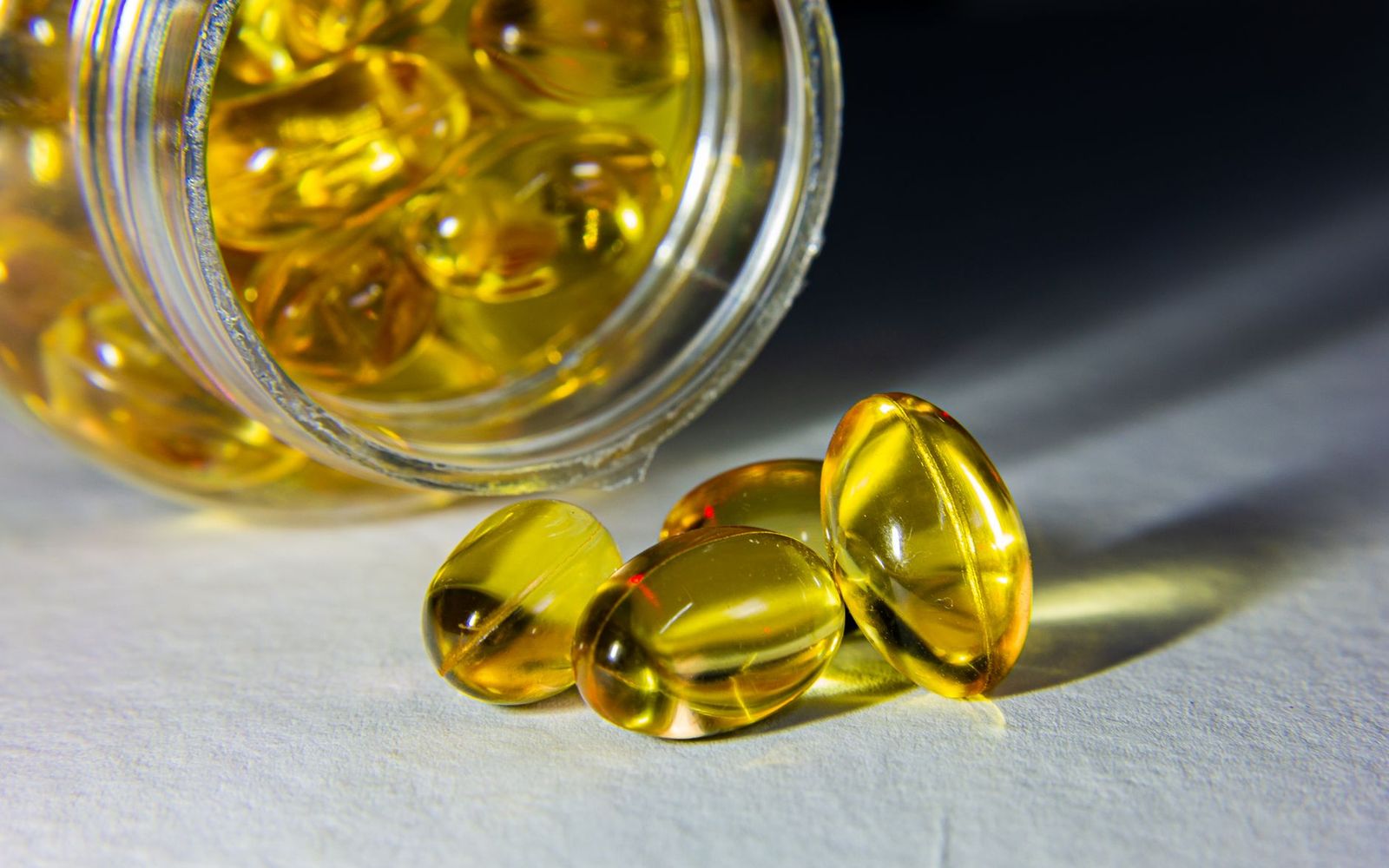
How much berberine lowered A1C in the trials
The best evidence comes from people who already have type 2 diabetes, and the answer depends on what berberine was compared with. The cleanest comparison is berberine against a placebo. The larger pools mix that with trials where berberine was added on top of diabetes drugs, which tend to show bigger numbers.
| Source | What was compared | Size | A1C difference |
|---|---|---|---|
| Zhao et al, 2023 (abstract) | Berberine vs placebo only; the review pooled trials with and without diabetes | 7 trials, 756 people for A1C | 4.48 mmol/mol lower (2.44 to 6.53), about 0.41 points (0.22 to 0.60) by our arithmetic |
| PREMOTE trial, 2020 | Berberine vs placebo, 12 weeks, newly diagnosed and drug-free, 20 centers in China | 409 randomized across four arms | A1C fell 0.99 with berberine and 0.59 with placebo; the trial reports the difference as 0.40 lower (0.13 to 0.67) |
| Wang et al, 2024 | Berberine alone vs placebo (subgroup) | Not stated in the subgroup text | 0.68 lower (0.28 to 1.08) |
| Wang et al, 2024 | Berberine alone vs any control, placebo or diabetes drugs | 11 trials, 749 people | 0.24 lower (0.11 higher to 0.60 lower), not statistically significant |
| Wang et al, 2024 | Berberine alone vs metformin (subgroup) | Not stated in the subgroup text | No significant difference: 0.05 higher with berberine (0.59 lower to 0.69 higher) |
| Wang et al, 2024 | Berberine added to diabetes drugs vs the drugs alone | 25 trials | 0.69 lower (0.39 to 0.99), with very high variation between trials |
| Xie et al, 2022 | Berberine alone or added on vs placebo, lifestyle or the same drugs | 31 trials, 2,683 people | 0.63 lower (0.53 to 0.72), moderate certainty |
| Guo et al, 2021 (abstract) | Berberine alone or added on vs control | 46 trials | 0.73 lower (0.51 to 0.97) |
Two of the three placebo-only figures sit near 0.4 points (PREMOTE, and Zhao, whose pool also included people without diabetes) and the third, Wang's subgroup, at 0.68. The pooled figures that include add-on trials sit around 0.6 to 0.7. Zhao and colleagues reported their result in mmol/mol, the international unit; we converted it to the percentage unit US labs print using the NGSP master equation, which scales a difference by 0.09148. On our reading, a reasonable expectation from the placebo-controlled evidence is a drop of a few tenths of a point, not a full point.
The effect was larger when A1C started higher. In the Xie review, trials whose participants averaged an A1C of 9.0% or more showed a 0.79-point difference, against 0.58 points in trials averaging under 9.0%. That pattern fits a substance that works harder when glucose is higher, and on our reading it means someone with an A1C near 6.0 should not expect the numbers in the table; the one large placebo-controlled trial at that level, below, found no A1C change.
Why the evidence is weaker than the numbers look
Where the trials were run. In the Xie review, 36 of 37 trials were carried out in China and one in Iran, and 34 of the 37 were published in Chinese. In the 2024 Wang review, 49 of 50 were in China and one in Iran, and 46 of 50 appeared in Chinese. The PREMOTE authors, whose trial is the largest and best designed, write that because it was conducted in Chinese people residing in China, its findings may not generalize to other racial and ethnic groups. Zhao and colleagues reported larger fasting glucose reductions in Asian participants and in people with diabetes, a subgroup finding they say needs replication.
How the trials were run. Of the 37 trials Xie pooled, 12 described how they randomized, 3 described concealing the allocation, and 6 blinded participants and staff. The authors rated the A1C evidence moderate certainty, downgraded for risk of bias.
How long, and in whom. In the 2024 review, 35 of the 50 trials gave 0.9 to 1.5 g a day, and most ran one to three months. A 2019 meta-analysis of 28 trials found berberine's effect on blood glucose became unremarkable in trials lasting longer than 90 days, at doses above 2 g a day, and in patients over 60. Those are subgroup results, but they cover exactly the questions a 55-year-old would ask: does it keep working, and does it work at my age. In PREMOTE, among participants aged 50 and older, berberine lowered A1C 0.31 points more than placebo (0.65 lower to 0.02 higher), a difference the trial did not count as statistically significant.
Prediabetes and early diabetes. Two placebo-controlled trials enrolled people at or near the prediabetes range, and they disagree. A 2023 pilot of 34 people in India with prediabetes by American Diabetes Association criteria gave 500 mg three times a day for 12 weeks, and A1C in the berberine group went from 6.40% to 5.43%; the authors thank a company, Gramen Botanicals, as the study's sponsor. A 2021 trial in China randomized 300 adults newly found to have raised blood glucose, from the prediabetes range into early diabetes, with average starting A1C values near 6.2%. After 16 weeks of 0.5 g twice a day, berberine alone did not change A1C compared with placebo (0.06 points lower, 0.21 lower to 0.10 higher), although fasting glucose fell 0.50 mmol/L more, about 9 mg/dL by our arithmetic. One small pilot against one larger null result is not a basis for a number you can plan around.
Is berberine "nature's Ozempic"?
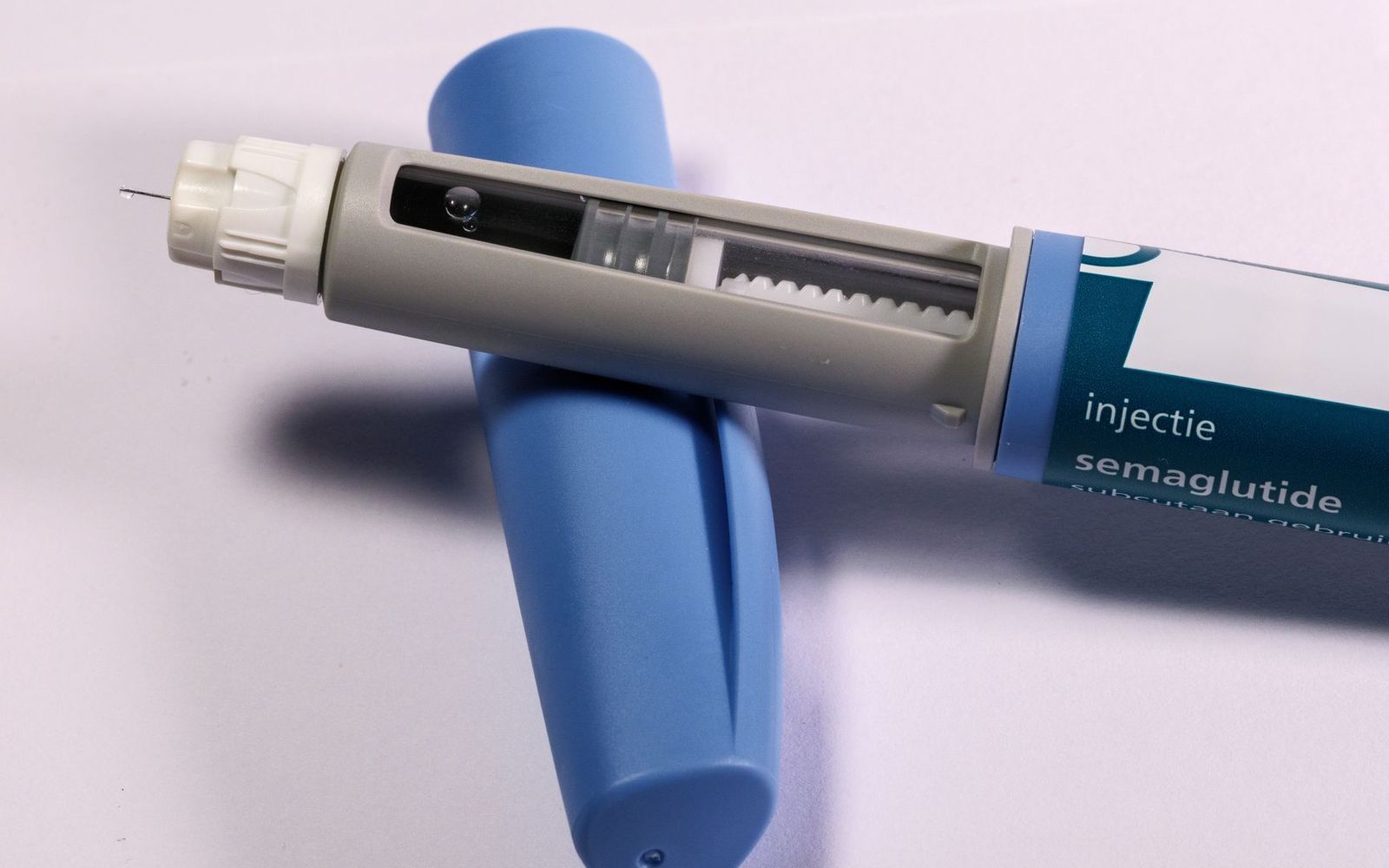
No, on the evidence. The nickname implies a comparable effect, and the trials do not show one. In Ozempic's own monotherapy trial, printed in the FDA label, 388 adults with type 2 diabetes were randomized for 30 weeks: A1C fell 1.2 points more than placebo on the 0.5 mg dose and 1.4 points more on 1 mg, and body weight fell 2.6 kg and 3.5 kg more than placebo. Its participants were 64% White, 8% Black and 21% Asian.
Against placebo, berberine's A1C effect in the trials above is roughly a third to a half of that, by our arithmetic. For weight, a 2025 review pooling 8 placebo-controlled trials (684 people) with conditions including dyslipidemia, metabolic syndrome, raised blood glucose and polycystic ovary syndrome found body mass index fell 0.435 points more than placebo, which is about 1.3 kg for someone 1.70 m (5 ft 7 in) tall by our arithmetic. These are different trials in different populations, not a head-to-head comparison, and we found no trial that compared them directly.
The mechanism is different too. Semaglutide, the drug in Ozempic, is a GLP-1 receptor agonist. The berberine papers cited here propose other routes: a potassium channel in insulin-producing cells, gut bacteria and bile acids, and AMPK activation. One review lists promoting the body's own GLP-1 release as a possible mechanism, which is not the same as a drug built to act on the GLP-1 receptor.
Sponsored option
Vetted Aug 19, 2026Affiliate link, we may earn a commission at no extra cost to you.

Everlywell Our score 4.0/5
At-home lab tests
Pricing as of Aug 19, 2026
HbA1c $49; cholesterol and lipids $49; heart health panel $99
Safety and drug interactions
Side effects. The National Center for Complementary and Integrative Health (NCCIH) at NIH lists mild-to-moderate nausea, diarrhea, bloating and constipation as the common side effects, and says berberine is considered safe at the doses used clinically, 200 to 1,000 mg two to three times a day. In PREMOTE, both berberine groups had more gastrointestinal side effects than placebo.
Interactions. In a crossover study in healthy men, two weeks of berberine at 300 mg three times a day reduced the activity of three liver enzymes that clear many prescription drugs, CYP2D6, CYP2C9 and CYP3A4; exposure to midazolam, a test drug cleared by CYP3A4, rose 40%. In kidney transplant recipients taking cyclosporine, adding 0.2 g of berberine three times a day raised cyclosporine exposure by 34.5% in a 12-day pharmacokinetic study. NCCIH also reports that goldenseal, a berberine-containing herb, cut metformin levels by about 25% in healthy adults, enough to potentially hinder glucose control; that finding is for goldenseal extract, not purified berberine. A 2026 case report described a 61-year-old man with a dangerous heart rhythm while taking berberine, dihydroberberine and other supplements; it is one case, and the authors attribute it to several factors acting together.
Low blood sugar. The Xie review found no significant increase in hypoglycemia when berberine was used alone or with oral diabetes drugs, but rated that evidence very low certainty. If you take insulin or a sulfonylurea, that is not reassurance enough to add berberine without telling your prescriber.
Who should not take it. NCCIH says berberine should not be used during pregnancy or while breastfeeding and should not be given to infants, because it has been linked to a harmful buildup of bilirubin in infants that can cause brain damage. The discussion section of the 2022 Xie review says berberine can be used during pregnancy; NIH's position is the one to follow.
What is in the bottle. Under the Dietary Supplement Health and Education Act, the FDA does not have the authority to approve dietary supplements before they are marketed, and it says it does not routinely analyze their contents. When researchers tested 15 berberine supplements bought in the US, measured content ranged from 33% to 100% of the label claim, 9 of the 15 fell outside the 90% to 110% range expected of pharmaceutical preparations, and price did not predict quality.
Where the diabetes guideline stands
The American Diabetes Association's 2026 Standards of Care do not name berberine. Recommendation 5.16 says to assess supplement intake because supplementation with micronutrients or herbs and spices, giving cinnamon and aloe vera as examples, is not recommended for glycemic benefit. NCCIH's summary of supplements for diabetes describes the evidence for berberine as weak evidence of a possible benefit, limited mostly to studies in Chinese patients, some of poor quality. NCCIH also notes that the FDA warns about products claiming to replace diabetes medicine, which are marketed illegally and are harmful if used in place of effective treatment.
For context on what a few tenths of a point means on your own result, our guide to what your A1C means walks through the bands, and A1C by age and sex covers how normal values shift with age.
What to do next
If you are thinking about berberine, the useful first step is knowing where your A1C sits and what the guideline-backed options are for that band. Our hemoglobin A1C reference page carries the ranges with their source and date, and the prediabetes band page sets out what the ADA actually recommends there, including the diabetes prevention program and metformin criteria. The lab result lookup places a specific value, and your personal screening plan shows which tests are due for your age. If you take any prescription medicine, show the bottle to your pharmacist before starting, because of the enzyme interactions above.
Frequently asked questions
How much does berberine lower A1C?
In placebo-controlled trials of people with type 2 diabetes, about 0.4 to 0.7 percentage points more than placebo, mostly over one to three months. The largest well-designed trial, PREMOTE, found a gap of 0.40 points at 12 weeks. Nearly all the trials were run in China.
Is berberine as good as metformin?
In pooled trials that compared them directly, berberine's effect on A1C was not significantly different from metformin's. The margin of uncertainty was wide, the trials were short and mostly run in China, and they measured blood glucose markers, not long-term complications.
Does berberine work for prediabetes?
The evidence is thin and conflicting. A 34-person, 12-week pilot in India reported A1C falling from 6.40% to 5.43%, while a 300-person, 16-week placebo-controlled trial in China, in people from the prediabetes range into early diabetes, found no difference in A1C from placebo. For prediabetes, the ADA's grade A recommendation (3.3) is referral to a diabetes prevention program aiming for at least 5% to 7% weight loss, for adults with overweight or obesity at high risk.
Can I take berberine with metformin or other medicines?
Ask your prescriber or pharmacist first. Berberine reduced the activity of three liver enzymes that clear many drugs in healthy volunteers and raised cyclosporine levels in transplant patients, and the combination trials did not test every drug. NIH advises talking with a health care provider before taking it alongside any medicine.