What the test physically measures
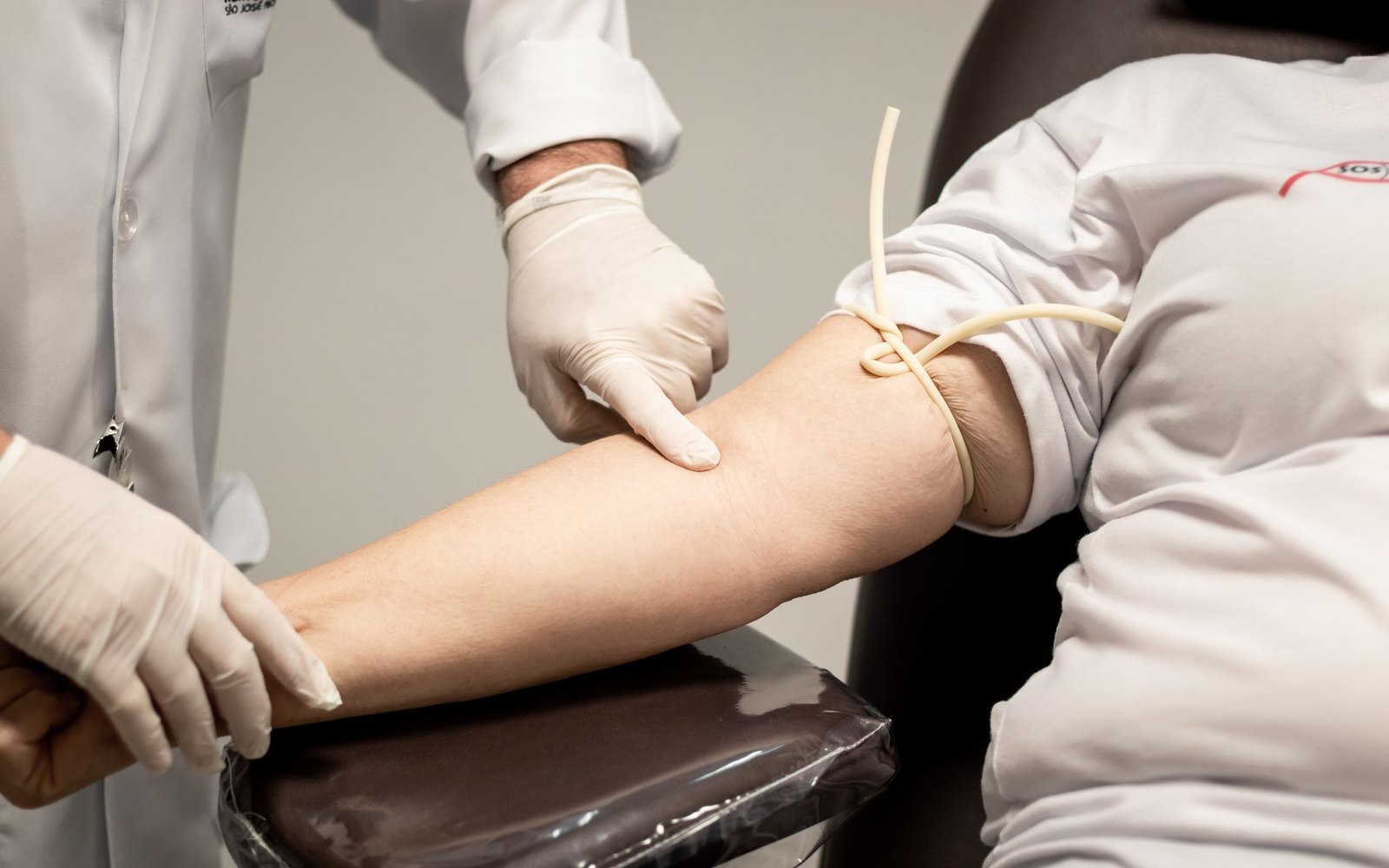
Glucose in the bloodstream attaches to hemoglobin inside red blood cells, and it stays attached for the life of the cell. A1C reports the percentage of hemoglobin carrying that attached glucose. Because a red blood cell survives around three months, the figure integrates glucose exposure over that window, which is why it is not affected by whether you fasted or what you ate that morning.
The averaging is not even, though. Recent glucose contributes more than older glucose, because the cells carrying the older record are progressively being replaced. In NIDDK's phrasing, blood glucose levels within the past 30 days have a greater effect on the reading than those in previous months. That is useful if you have changed something recently, and it is a reason not to over-read a small move.
The thresholds
| Category | A1C | What it means |
|---|---|---|
| Normal | Below 5.7 percent | Below the prediabetes range |
| Prediabetes | 5.7 to 6.4 percent | Within this band, the higher the A1C, the greater the risk of progressing to type 2 diabetes |
| Diabetes | 6.5 percent or above | Requires confirmation with a second measurement unless there are clear symptoms |
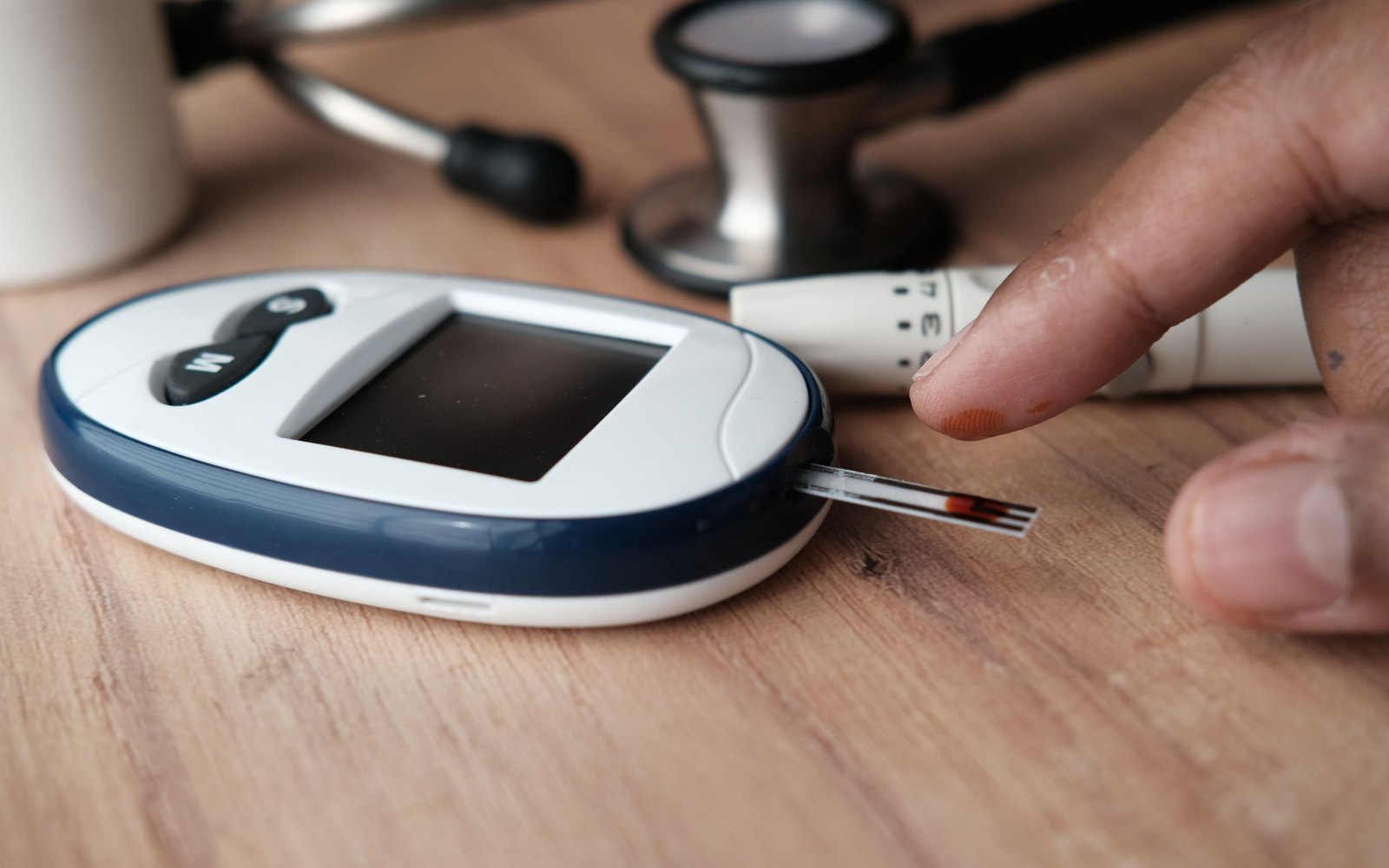
Two procedural points sit behind that table and both change what a result is worth. First, confirmation: NIDDK states that if you have no symptoms but the A1C shows diabetes or prediabetes, you should have a repeat test on a different day to confirm. Second, the assay: for diagnosis, blood should go to a laboratory using an NGSP-certified method, and point-of-care tests, the finger-prick machines used in clinics and pharmacies, should not be used to diagnose.
Turning A1C into a glucose number
Percent-glycated-hemoglobin is not an intuitive unit if you are used to meter readings. The conversion comes from the A1c-Derived Average Glucose study, which compared A1C against roughly 2,700 glucose measurements per participant in 507 people across ten international centres. The regression it produced is the one every eAG calculator uses:
| A1C | Estimated average glucose (mg/dL) |
|---|---|
| 5.0 percent | 97 |
| 5.7 percent | 117 |
| 6.5 percent | 140 |
| 7.0 percent | 154 |
| 8.0 percent | 183 |
The eAG is an average, not a target for any single reading, and it will not match your meter at a given moment. Someone with wide swings between highs and lows can land on the same A1C as someone whose glucose barely moves, and those are not equivalent metabolic states. This is the main structural limitation of the test and the reason continuous monitoring adds information that A1C cannot.
Sponsored option
Vetted Aug 19, 2026Affiliate link, we may earn a commission at no extra cost to you.

Everlywell Our score 4.0/5
At-home lab tests
Pricing as of Aug 19, 2026
HbA1c $49; cholesterol and lipids $49; heart health panel $99
When the number is not telling the truth
Because A1C depends on red blood cells, anything that changes how long those cells live changes the result without glucose changing at all. NIDDK sets out the main situations, and they are common enough to be worth checking against your own history.
- Iron deficiency anemia can produce a falsely high A1C. This is the one most likely to affect an otherwise healthy adult, and it matters because it can convert a normal result into a prediabetes label. If you are iron deficient, correcting that before drawing conclusions from a borderline A1C is reasonable.
- Anything that shortens red cell survival pushes it down. Recent blood loss, transfusion, haemodialysis, erythropoietin treatment and haemolysis all shorten the averaging window, so less glucose accumulates.
- Kidney failure and liver disease can cause false results in either direction.
- Hemoglobin variants can interfere with the assay itself. NIDDK is specific: people of African, Mediterranean or Southeast Asian descent, or with family history of sickle cell anemia or thalassaemia, may carry a variant that makes some A1C tests unreliable, and most carriers have no symptoms and do not know. Not all A1C methods are affected, and a different method can be used.
A1C also should not be used to diagnose type 1 diabetes, gestational diabetes, or cystic fibrosis related diabetes. Those use different tests for different reasons.
What a prediabetes result actually implies
The 5.7 to 6.4 band is not a single state. NIDDK notes that within it, the higher the A1C, the greater the risk of progressing to type 2 diabetes, so 5.8 and 6.3 carry different implications despite sharing a label. The band is also the point in the sequence where intervention has the best evidence behind it, and where a repeat test in three to six months tells you whether what you changed is working.
If you are trying to move the number, the levers are the ordinary ones, and they are covered in our guides to the metabolic numbers to know after 40 and protein intake after 40. Our A1C reference page carries the thresholds with their source and effective date, and the fasting glucose page covers the companion test.
Frequently asked questions
Is 5.7 prediabetes?
Yes, 5.7 percent is the bottom edge of the prediabetes band, which runs from 5.7 to 6.4 percent. It is the lowest point in that band, and risk within the band rises with the number. A single result at 5.7 with no symptoms should be repeated on a different day before being treated as a diagnosis.
How much can A1C change in three months?
Enough to move you between categories if the underlying glucose changes substantially, because the whole averaging window turns over in roughly that time. Three months is the standard interval for retesting after a change in treatment or lifestyle for exactly this reason.
Can I lower my A1C without medication?
Many people with prediabetes do, through changes to diet, activity and weight. Whether that is sufficient in your case depends on how high the number is, how long it has been high, and what else is going on metabolically, which is a conversation to have with a clinician rather than a rule.
Why is my A1C high when my fasting glucose is normal?
Either your glucose is rising after meals rather than overnight, which fasting tests miss and A1C captures, or something is interfering with the A1C measurement. Iron deficiency and hemoglobin variants are the usual candidates for the second explanation. A mismatch between the two tests is a recognized prompt to investigate rather than to average them.
Is HbA1c the same as A1C?
Yes. HbA1c, hemoglobin A1C, glycated hemoglobin and glycohaemoglobin all name the same test.
When to talk with a clinician
Bring an A1C of 5.7 or above to a review, and treat 6.5 or above as needing prompt confirmation and a plan. Seek care without waiting if you have the classic symptoms of high glucose, meaning unusual thirst, frequent urination, unintended weight loss or blurred vision. If your A1C and your glucose readings disagree, say so explicitly, and ask whether iron status or a hemoglobin variant could be affecting the assay.