What changed in 2024
For years the default advice was test everyone, supplement to a target. Then the large randomized trials (VITAL among them) tested supplementation in the general population and did not find the expected reductions in cancer, cardiovascular disease or fractures in vitamin-D-replete adults. The Endocrine Society's 2024 guideline absorbed that: it suggests against empiric supplementation above the standard intake in healthy adults under 75, and, because no trial evidence supports screening and no optimal target level was found, it suggests against routine 25(OH)D testing in all the populations it considered.
Who the guideline does support supplementing
Four groups, with daily rather than intermittent high-dose administration suggested: children and adolescents 1 to 18 (rickets prevention and respiratory infection reduction), adults 75 and older (lower mortality in trials), pregnancy (better outcomes including lower pre-eclampsia risk), and adults with high-risk prediabetes (fewer progressions to diabetes). If you are in none of those groups, the evidence-backed move is the boring one: meet the standard intake, 600 IU/day to age 70 and 800 IU/day after (NASEM), which a basic multivitamin or fortified foods already cover.
Where blood levels still matter
The cutoffs keep their meaning when there is a reason to test: under 12 ng/mL is deficiency (rickets and osteomalacia territory), 12 to 20 inadequate, 20 and above adequate for bone health, and above 50 ng/mL is flagged for potential harm, almost always from high-dose supplements. Real indications for testing include bone disease, malabsorption (celiac, bariatric surgery), kidney and liver disease, and medications that affect vitamin D metabolism. The full table with sources sits on our vitamin D reference page.
Sponsored option
Vetted Aug 19, 2026Affiliate link, we may earn a commission at no extra cost to you.

Everlywell Our score 4.0/5
At-home lab tests
Pricing as of Aug 19, 2026
HbA1c $49; cholesterol and lipids $49; heart health panel $99
If you choose to take one anyway
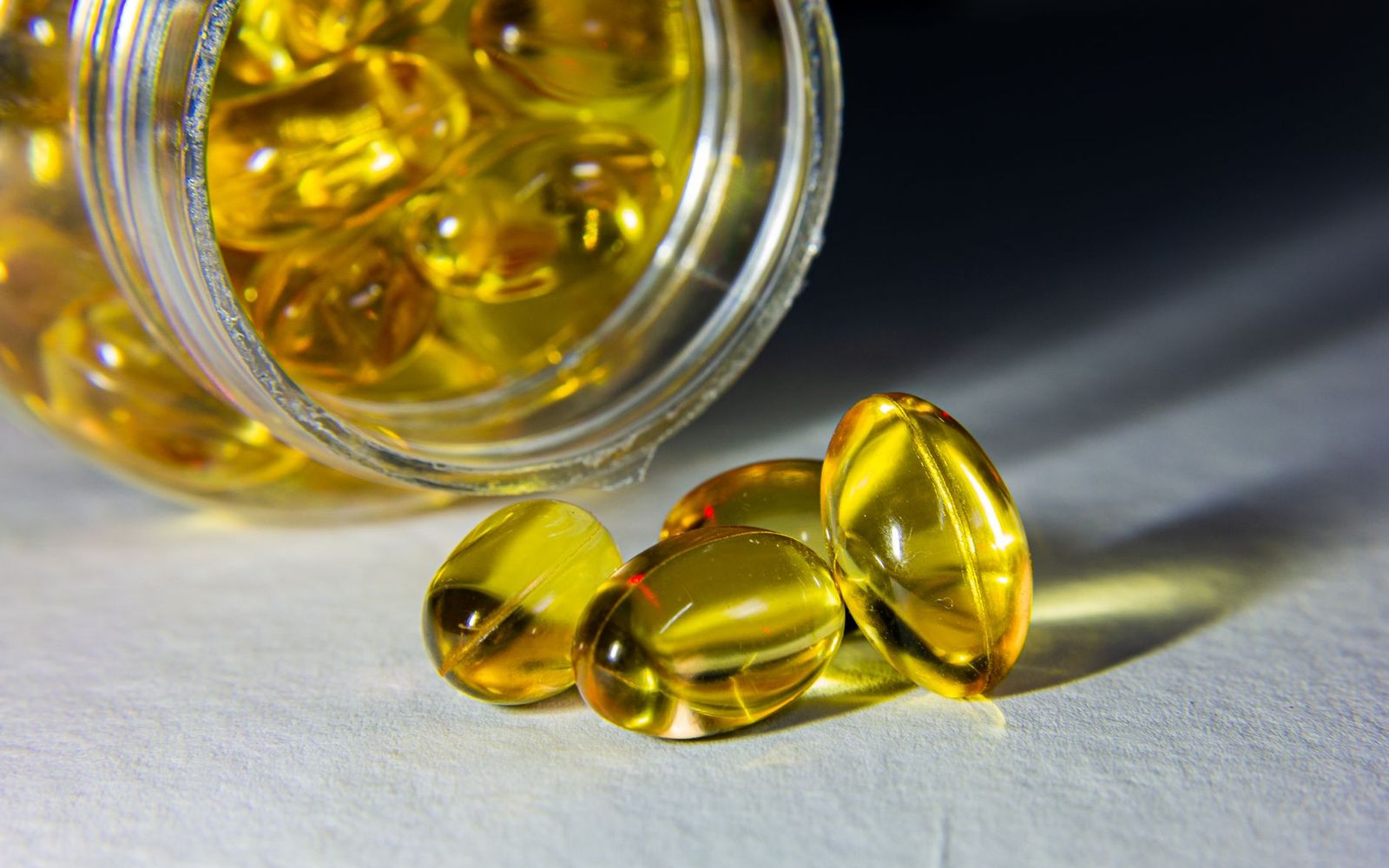
A daily 1,000 to 2,000 IU D3 is inside the range most trials used and well under NASEM's adult upper intake level of 4,000 IU/day; harm in the trials clustered in high intermittent bolus dosing and in stacking multiple high-dose products. Take it with a meal containing fat, skip the "50,000 IU weekly" products unless a clinician prescribed them for diagnosed deficiency, and count what your multivitamin and fortified foods already contribute before adding more. No supplement substitutes for the strength training and protein doing the actual work on bones and muscle.
Frequently asked questions
Should I get my vitamin D level checked before supplementing?
Not routinely. The 2024 Endocrine Society guideline suggests against routine 25(OH)D testing because no trial evidence supports screening and no optimal target is established; it pairs that with empiric (test-free) supplementation for the groups that benefit. Test when there is a clinical indication.
How much vitamin D should I take a day?
The standard intake is 600 IU/day for adults 19 to 70 and 800 IU/day over 70 (NASEM). If you supplement beyond diet, typical daily doses of 1,000 to 2,000 IU sit well under the 4,000 IU adult upper limit; more is not better in the trial data.
Can you take too much vitamin D?
Yes; toxicity comes from supplements, not sun. Blood levels above 50 ng/mL are linked to potential adverse effects in the NASEM framework, and case reports of harm involve sustained very-high-dose products. That is the argument for daily moderate doses over mega-dosing.