Strength first: what changed in the definition
The European Working Group on Sarcopenia in Older People revised its consensus in 2019 with a pointed change: muscle strength comes to the forefront, because strength is better than mass at predicting adverse outcomes, falls, fractures, loss of independence, death. Probable sarcopenia is identified by low strength alone; it is confirmed by adding low muscle quantity or quality, and graded severe when physical performance drops too (gait speed of 0.8 m/s or slower is one marker).
The numbers, and the free test
EWGSOP2's cutoffs for low strength: grip below 27 kg in men and below 16 kg in women, or, without a dynamometer, needing more than 15 seconds to rise from a chair five times. That chair-stand test is worth doing today: sit in a firm chair, arms crossed on your chest, and time five full stand-and-sits. Over 15 seconds in midlife or beyond is a finding, not a curiosity, and it belongs in your next clinical conversation the same way an abnormal lab does.
The training floor
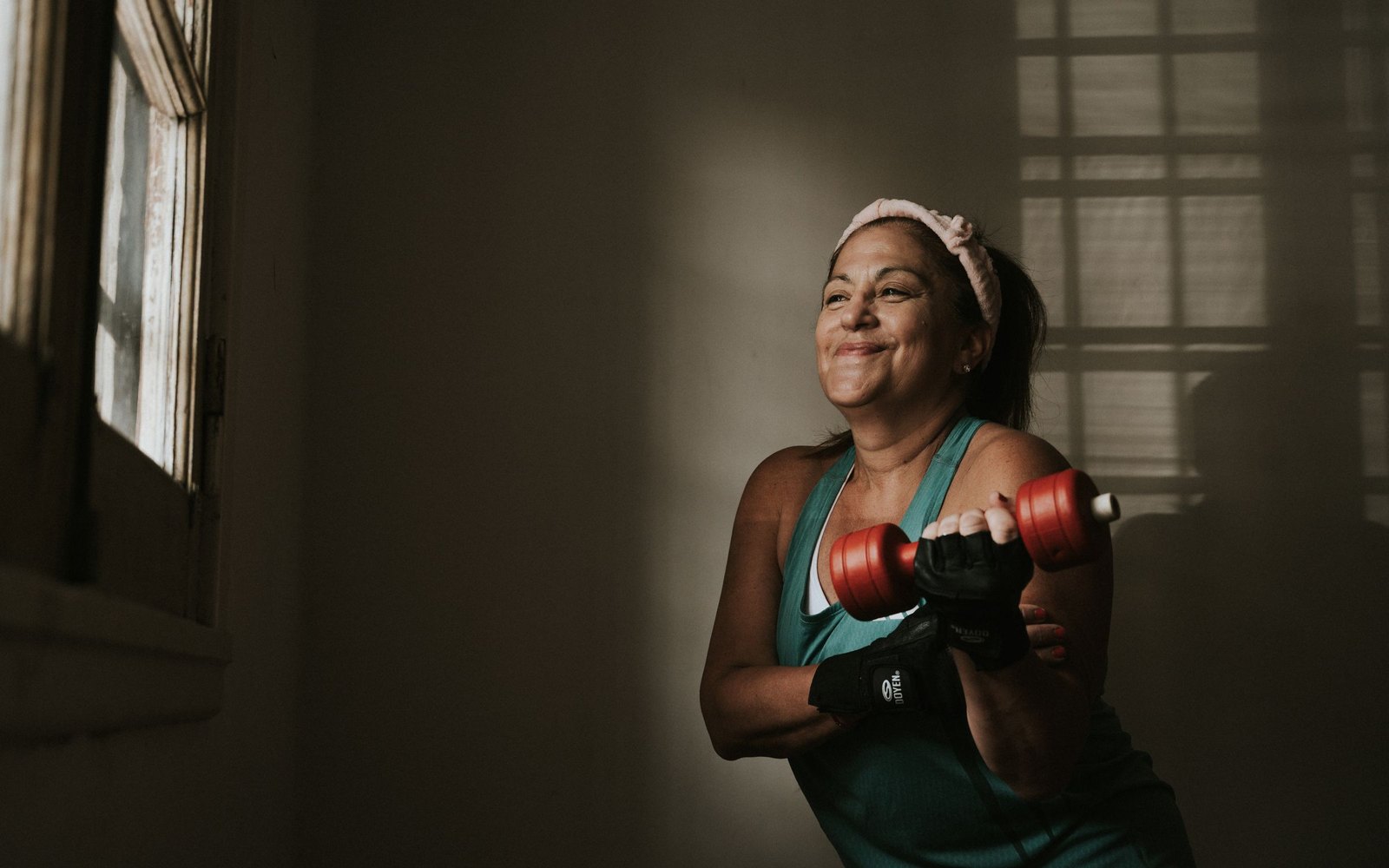
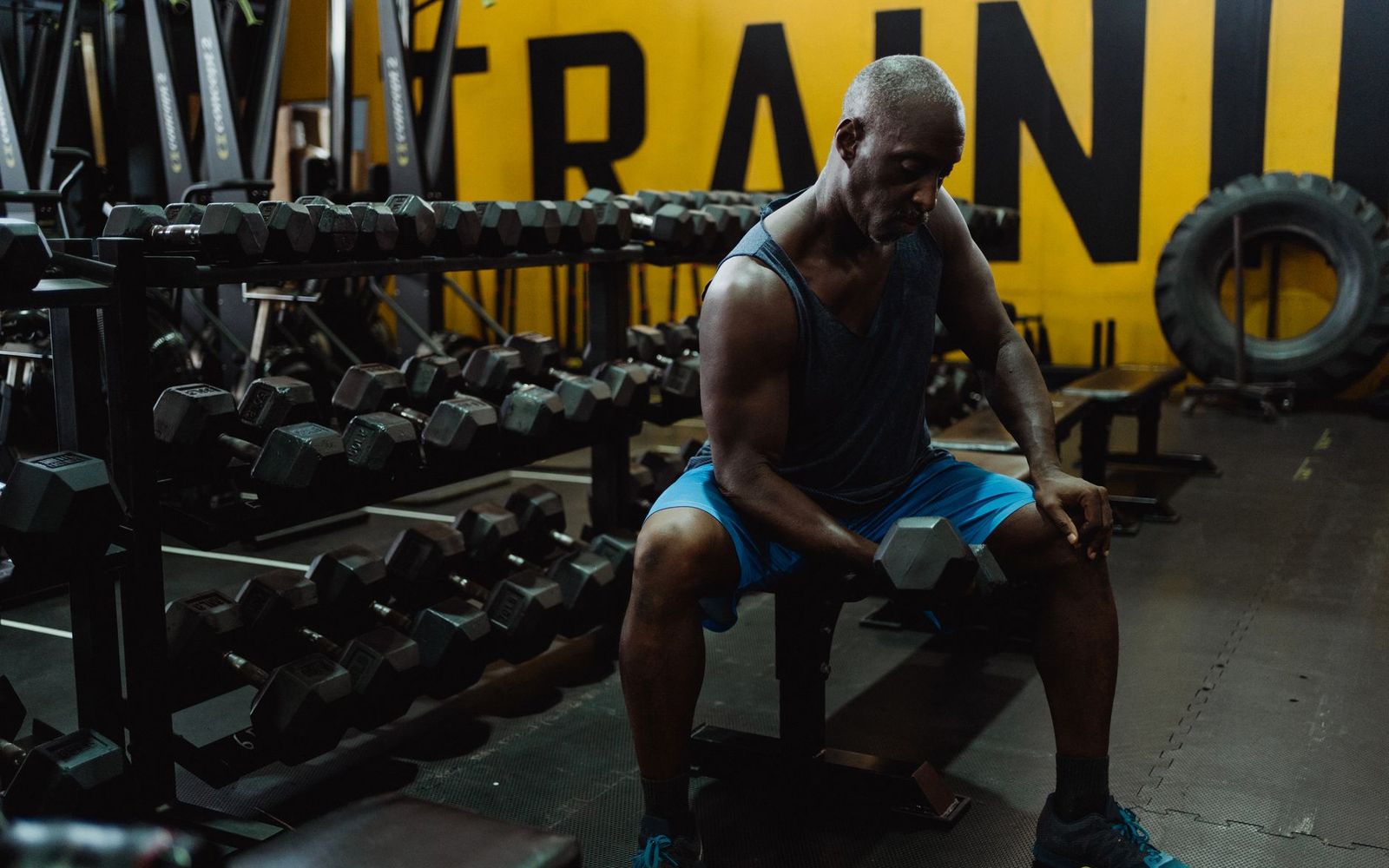
The US Physical Activity Guidelines put the adult floor at muscle-strengthening activities of moderate or greater intensity involving all major muscle groups on 2 or more days a week, alongside 150 to 300 minutes of moderate-intensity aerobic activity. Two sessions is a floor, not a program: the essential ingredients are progression (weights that get heavier as you adapt) and the big patterns: squat or leg press, hinge, push, pull, carry. Bodyweight, bands, machines and barbells all work; the muscle does not know the brand.
Why this is a metabolic story too
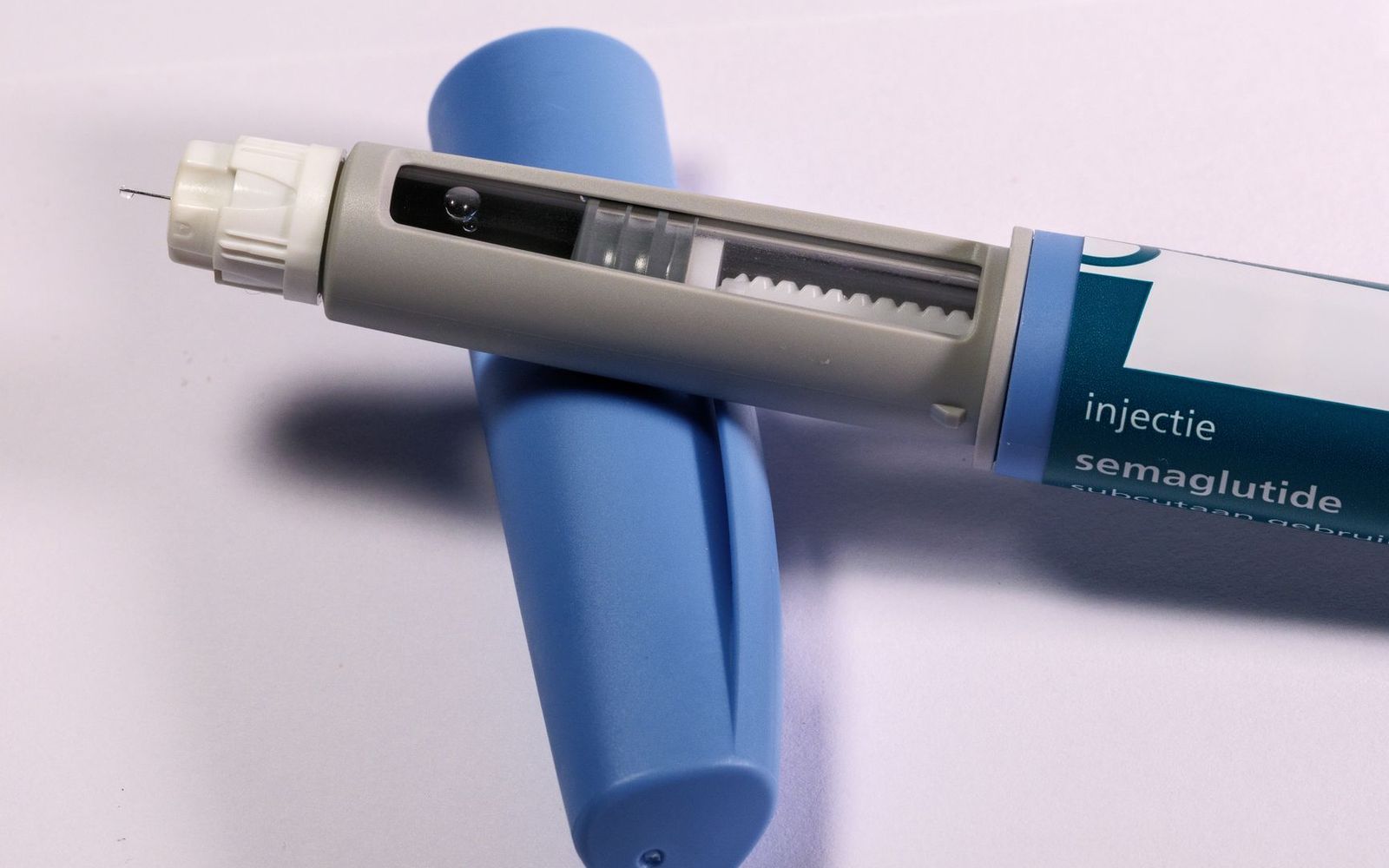
Muscle is the largest glucose sink you own; losing it degrades the same A1C and glucose numbers this site tracks, and anyone losing weight rapidly, including on GLP-1 medication, is losing some muscle along with fat unless resistance training and protein hold it. That is why our weight pillar keeps pointing here. Strength work also carries the bone: resistance and impact loading are the mechanical signals bone responds to, which matters from the 40s on and doubly after menopause.
Frequently asked questions
Am I too old to start lifting weights?
No. Progressive resistance training produces strength gains at every age studied, including in people in their 80s and 90s; programs just start lighter and progress more patiently. The riskier choice after 40 is not lifting.
How do I know if I have sarcopenia?
The consensus screening findings are low grip strength (under 27 kg men, 16 kg women) or a five-chair-stand time over 15 seconds. Either one is "probable sarcopenia" under EWGSOP2 and worth a clinical evaluation, where muscle imaging or body-composition testing can confirm it.
How much protein do I need to keep muscle?
The RDA (0.8 g per kg of body weight) is a minimum, not an optimum for preserving muscle in midlife training or weight loss; many researchers use higher intakes in studies of older adults. We have not sourced a single threshold rigorously enough to print one, so treat protein as a topic for the plan you build with a clinician or dietitian.