Which rule applies to HSAs and FSAs
Publication 502 is written for the itemized deduction for medical expenses, which rests on section 213 of the tax code, and the IRS's nutrition and wellness FAQ points readers to it for what counts as medical care under that section. Publication 969 defines an HSA's qualified medical expenses as amounts paid for medical care as defined in Code section 213(d). The two are not identical: the IRS FAQ says an HSA or FSA may pay for over-the-counter drugs, which the deduction excludes. For a health FSA, qualified medical expenses are those specified in the plan that would generally qualify for the medical and dental expenses deduction.
That last phrase matters. An expense can meet the tax definition and still be refused by an FSA whose plan specifies less. For an HSA, Publication 969 ties qualified expenses directly to section 213(d), and keeping the records that prove it is your job.
What the IRS says, expense by expense
| Expense | What the IRS says |
|---|---|
| A prescribed GLP-1 medication | You can include amounts you pay for prescribed medicines and drugs. A prescribed drug is one that requires a prescription by a doctor for its use |
| Clinician visits, including those by video | Medical expenses include payments for legal medical services rendered by physicians and other medical practitioners. Publication 502 does not mention telehealth either way |
| A weight-loss program or its membership fees | Only if it treats a specific disease diagnosed by a physician (such as obesity, hypertension, or heart disease) |
| Nutritional counseling | Only if it treats a specific disease diagnosed by a physician (such as obesity or diabetes) |
| Gym membership | Only if bought for the sole purpose of treating a specific disease diagnosed by a physician, or for a prescribed treatment such as physical therapy for an injury. Otherwise, no |
| Diet food, shakes and meal replacements | No, because they substitute for normal food. Special food counts only if it does not meet normal nutritional needs, treats an illness, and a physician substantiates the need, and only the cost above a normal diet |
| Supplements and vitamins | Only if recommended by a medical practitioner as treatment for a specific medical condition diagnosed by a physician |
| A prescribed drug ordered from another country | Generally no. Only a drug imported legally counts |
| Exercise for general health, even on a doctor's advice | No |
The medication: the prescription is the test
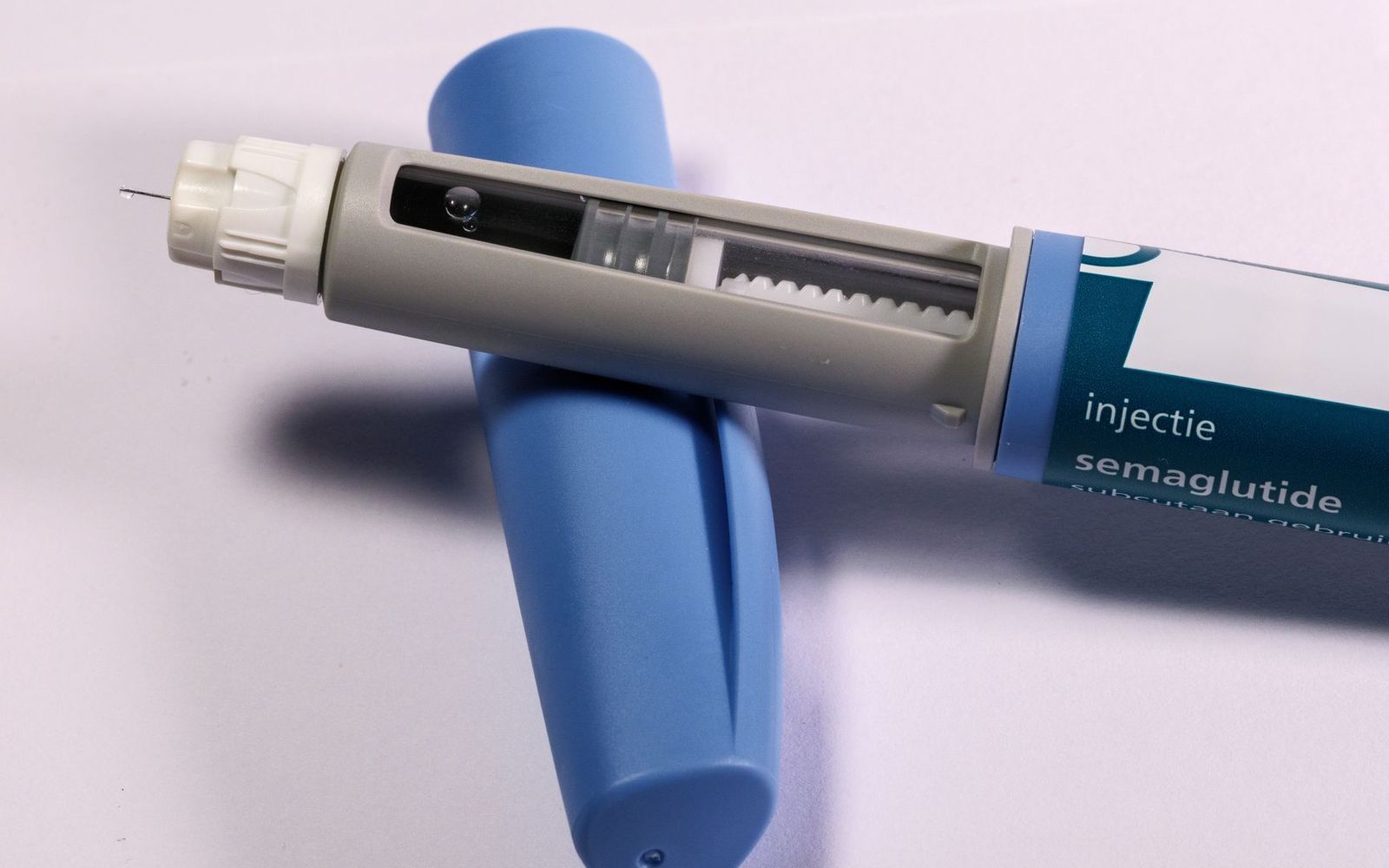
The Publication 502 rule for drugs is short: prescribed medicines and drugs count. (For the tax deduction, a drug that is not prescribed does not count, insulin aside; the IRS FAQ adds that an HSA or FSA may pay for over-the-counter drugs. Neither point matters here, because these drugs need a prescription.) Wegovy and Zepbound are prescription drugs: both are filed in DailyMed, the National Library of Medicine's label database, as human prescription drug labels, and the Wegovy pen carton reads Rx only. They sit on the qualifying side of that line.
None of the IRS documents we read, including Publications 502 and 969, the nutrition and wellness FAQ and Revenue Ruling 2002-19, names semaglutide, tirzepatide or GLP-1 drugs at all. What they offer instead is the general definition: medical care must be primarily to alleviate or prevent a physical or mental disability or illness, and does not include expenses merely beneficial to general health. A prescription written to treat obesity, or to treat weight alongside a condition such as high blood pressure, fits that definition on our reading, though the IRS has not applied it to these drugs by name. The FDA's 2023 approval of Zepbound, for example, was for chronic weight management in adults with obesity, a body mass index of 30 or more, or with overweight, a body mass index of 27 or more, plus at least one weight-related condition such as high blood pressure, type 2 diabetes or high cholesterol.
One more limit applies whatever the drug: Publication 502 says you generally cannot count a prescribed drug brought in or ordered and shipped from another country. Only a drug imported legally counts.
What the medicine costs, and what your insurance might cover first, is in our guides to Wegovy and Zepbound cost without insurance and insurance coverage for GLP-1s. Publication 969 is clear that an HSA pays only for amounts not compensated for by insurance or otherwise.
The program: the diagnosis does the work
For a weight-loss program, the deciding fact is not what the program is but why you are in it. Publication 502 lets you include amounts you pay to lose weight if it is a treatment for a specific disease diagnosed by a physician, such as obesity, hypertension or heart disease, including membership fees and fees for periodic meetings. It excludes the same program if the purpose is appearance, general health or a sense of well-being.
The rule comes from Revenue Ruling 2002-19. Its two examples are worth knowing. Taxpayer A was diagnosed by a physician as obese and had no other disease; Taxpayer B was not obese but had hypertension and was directed by a physician to lose weight to treat it. Both qualified, because, in the ruling's words, obesity is medically accepted to be a disease in its own right, and B's program was part of treating hypertension. Neither could count the reduced-calorie diet food they bought.
Publication 502 does not mention online or app-based programs. Its test is the purpose and the diagnosis, not the format, so, on our reading, a remote program is judged the same way as one that meets in person. Many online programs bundle several things into one monthly fee: clinician visits, coaching, the prescription itself, sometimes food or supplements. The clinician visits and a prescribed drug each have their own rule above; food inside the bundle does not qualify. An itemized receipt makes that split possible. How these programs work clinically is covered in our guide to how online GLP-1 prescribing works.
Letters of medical necessity, as the IRS describes them
The phrase letter of medical necessity does not appear in Publication 502, Publication 969 or the IRS nutrition and wellness FAQ. It is plan-administrator vocabulary for a note from a clinician tying an expense to a diagnosis. What the IRS does say about such documentation is specific.
In a March 2024 alert, IR-2024-65, the IRS said some companies mistakenly claim that notes from doctors based merely on self-reported health information can convert non-medical food, wellness and exercise expenses into medical expenses, and that this documentation does not. A note cannot turn diet food into medical care. It also warned that an FSA or other health plan that reimburses non-medical expenses is not a qualified plan, and then all payments under it, even reimbursements for real medical expenses, become income.
So the note follows the diagnosis; it does not create it. Where the rule turns on a disease diagnosed by a physician, as it does for programs, counseling and gym fees, what has to exist is a disease diagnosed by a physician, and a note does not substitute for one. The IRS's newest FAQ entry, added 23 September 2026 for wearable devices, names, for wearables, the kinds of facts that count: a recommendation from a medical practitioner, the person's symptoms, diagnosis, abnormal test results or risk factors. A generalized desire to monitor or improve health, it says, is not sufficient.
Sponsored option
Vetted Aug 19, 2026Affiliate link, we may earn a commission at no extra cost to you.

Sesame Our score 4.0/5
Telehealth / primary care
Pricing as of Aug 19, 2026
Telehealth visits from $34; weight-loss program $99/mo or $59/mo annual
HSA and FSA: the rules that differ
HSA. Distributions are tax-free when they pay or reimburse qualified medical expenses you incur after the HSA was established; expenses from before that date do not qualify. Money used for anything else is taxable and carries an additional 20% tax, except for distributions after you become disabled, reach 65 or die. You do not send receipts with your return, but you must keep records showing each distribution paid a qualified expense that was not reimbursed elsewhere and not also deducted. Publication 502 bars counting HSA-paid expenses on Schedule A as well.
Health FSA. You must give the plan a written statement from an independent third party showing the expense was incurred and its amount, plus a statement that no other plan paid it. For taxable years beginning in 2026, Revenue Procedure 2025-32 sets the limit on salary-reduction contributions at $3,400, and a plan that allows carryover may carry up to $680 into the next year. FSAs are generally use-it-or-lose-it; a plan may instead offer a grace period of up to two and a half months, but not both.
Paying out of pocket instead. Medical expenses paid without an HSA or FSA can count toward the itemized deduction, but only the amount above 7.5% of your adjusted gross income.
What to do next
Start with the cost: our GLP-1 cost calculator sets out what each option costs before any tax treatment. Then ask your FSA administrator what documentation it wants for a prescription and for any program fee, before you pay. With an HSA or an FSA, keep the prescription record, the diagnosis and an itemized receipt together. If your plan asks for a clinician's statement, it should describe a diagnosis, because the IRS has said a note based merely on self-reported health information does not turn a non-medical expense into a medical one.
Frequently asked questions
Is Wegovy or Zepbound HSA eligible?
The IRS does not name either drug, but Publication 502 counts prescribed medicines and drugs as medical expenses, and an HSA pays for medical care under the same definition. A prescription written to treat obesity or a weight-related condition fits that rule. For an FSA, your plan applies it to your claim; with an HSA, keeping the records that show the expense qualified is your job.
Can I use my FSA for an online weight-loss program?
Only if the program treats a specific disease diagnosed by a physician, such as obesity, diabetes, hypertension or heart disease, and only if your plan covers it. Any food included in the program does not qualify. Ask for an itemized receipt.
Do I need a letter of medical necessity?
The IRS does not use the term in its publications; your plan administrator may ask for one. The IRS has said a doctor's note based only on self-reported information cannot turn a non-medical expense into a medical one, so the note needs to reflect a real diagnosis.
Can I reimburse myself later for a prescription I already paid for?
From an HSA, yes, for qualified expenses incurred after the HSA was established, as long as you keep the records. An FSA reimburses qualified expenses you incurred during its period of coverage.
What happens if I use HSA money for something that does not qualify?
The amount is added to your taxable income and an additional 20% tax applies, unless the distribution was made after you became disabled, reached 65, or died.