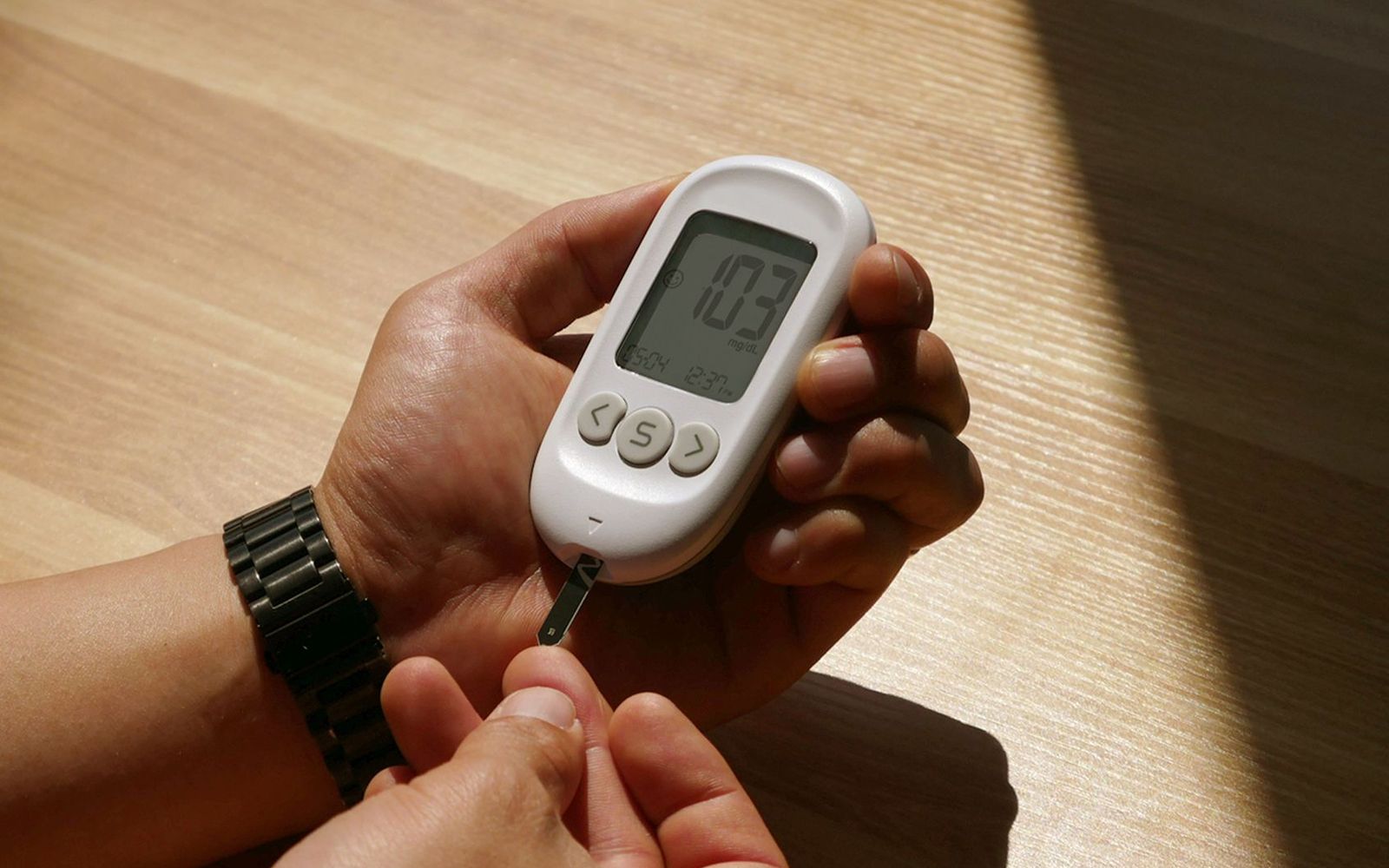
What Novo charges for cash
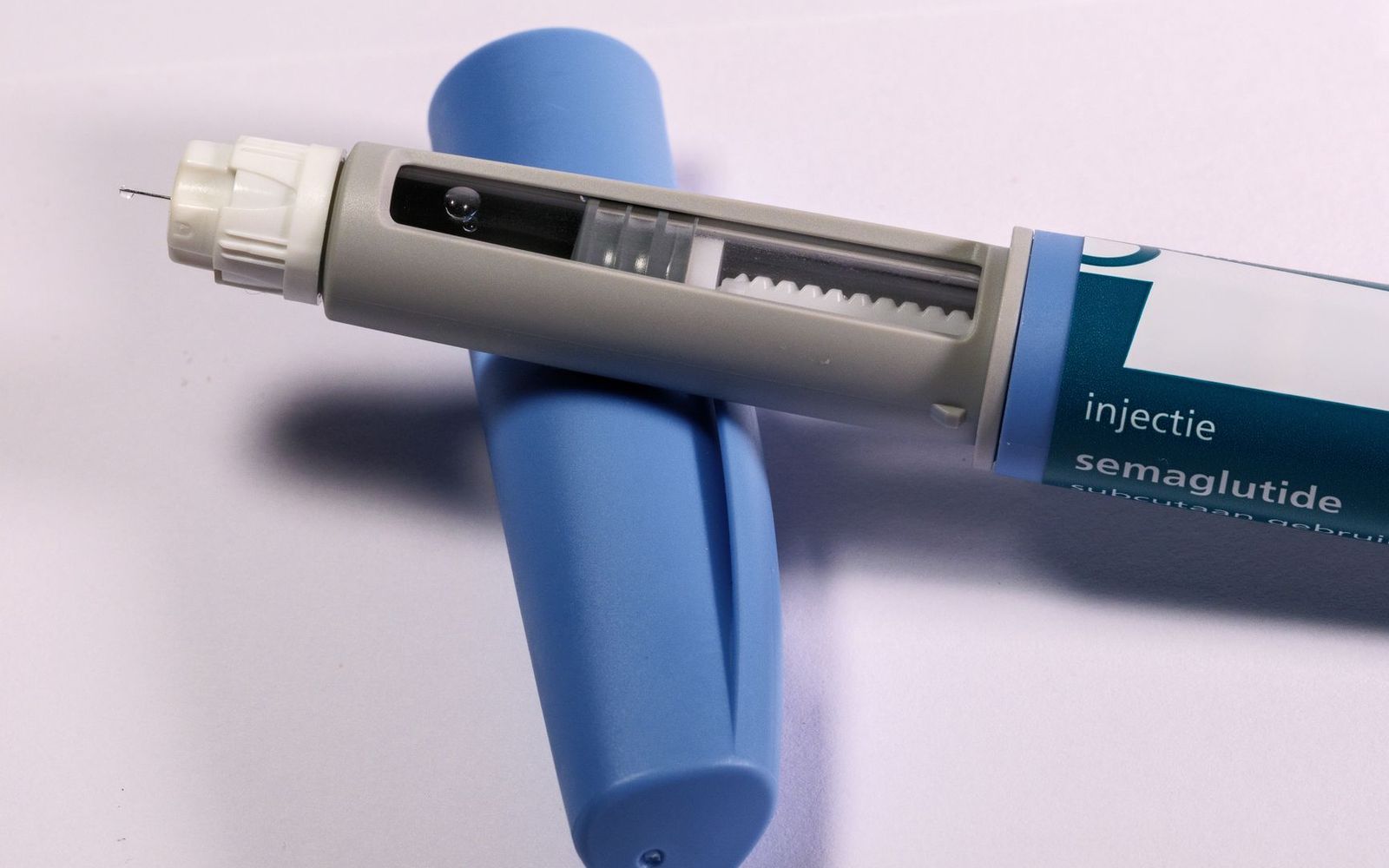
The prices come from two Novo Nordisk pages read on September 23, 2026: the NovoCare Pharmacy price page and the savings-offer terms that sit behind it. The self-pay offer is, in Novo's words, for "patients with insurance that does not cover Ozempic, or those that are self-paying/opting to process outside of their insurance plan". One month is one pen (28 days) or one bottle of 30 tablets.
| Product and dose | Standard self-pay, per month | Limited-time, new patients | List price (WAC) |
|---|---|---|---|
| Pen, 0.25 or 0.5 mg | $349 | $199 for each of the first two fills | $1,027.51 |
| Pen, 1 mg | $349 | not offered | $1,027.51 |
| Pen, 2 mg | $499 | not offered | $1,027.51 |
| Pill, 1.5 mg (30 tablets) | $149 | not offered | $1,027.51 |
| Pill, 4 mg (30 tablets) | $199 | not offered | $1,027.51 |
| Pill, 9 mg (30 tablets) | $299 | not offered | $1,027.51 |
Two details in the terms decide what you actually pay. The $199 price is for a "new patient", which Novo defines as someone "new to the Ozempic Savings Offer who has not participated in any other prior Ozempic savings offers in the past 365 days", and it covers "a maximum of the first two (2) 28-day fills"; the third fill is charged at the standard price. And the pen price steps up with the dose: someone titrated to 2 mg pays $499 a month, not the $349 the lower doses cost, and the two-month and three-month fills are simple multiples ($998 and $1,497 at 2 mg).
What the list price is, and why it drops in 2027
Novo's pricing disclosure gives one wholesale acquisition cost for every Ozempic product: $1,027.51 per pen and per bottle, whatever the dose. Novo's own definition: "Wholesale Acquisition Cost (WAC) or list price is the price from a manufacturer to a wholesaler or a direct purchaser before any discounts or rebates are applied. Most people don't pay WAC or list price for prescription medication if they have health insurance." A pharmacy or program outside the self-pay offer sets its own price, and it can be higher than list.
On February 24, 2026, Novo Nordisk announced that from January 1, 2027 the list price of the Ozempic pen (0.5, 1 and 2 mg), along with Wegovy and Rybelsus, becomes $675 a month, a cut Novo puts at approximately 35 percent for Ozempic (by our arithmetic, $675 against $1,027.51 is a 34 percent cut). The same release says: "These changes in list price do not have an impact on direct-to-patient, self-pay prices." So the number that moves in 2027 is the one insurers and wholesalers negotiate from, not the $349 and $499 a cash payer sees.
With commercial insurance that covers it
If a commercial plan covers Ozempic, the savings card is the better deal by a wide margin: you "pay as little as" $25, "subject to a maximum savings of $100 per 1-month prescription, $200 per 2-month prescription, or $300 per 3-month prescription." Novo's savings page adds that the card can run "for up to 48 months". The arithmetic that matters is the cap: if your copay is $150, the card pays $100 and you pay $50, not $25. The terms also exclude the card when "the entire cost of your prescription drug is eligible to be reimbursed by an insurance plan", and cash discount cards do not count as insurance for the offer.
Sponsored option
Vetted Aug 19, 2026Affiliate link, we may earn a commission at no extra cost to you.

Sesame Our score 4.0/5
Telehealth / primary care
Pricing as of Aug 19, 2026
Telehealth visits from $34; weight-loss program $99/mo or $59/mo annual
Medicare, Medicaid, VA and TRICARE
The savings card is closed to anyone "enrolled in any federal or state health care program with prescription drug coverage, such as Medicaid, Medicare, VA, DOD, TRICARE". A Medicare beneficiary whose Part D plan covers Ozempic for diabetes pays the plan's cost sharing, and the Extra Help program, which you apply for through Social Security if your income is limited, lowers Part D deductibles and copays; Novo's own Medicare page says people with both Medicare and Medicaid, or Medicare and SSI, get Extra Help automatically. Novo also says Medicare and Medicaid enrollees may use the self-pay prices, bought outside the plan. The clearest route is NovoCare Pharmacy, whose terms admit patients with government-funded insurance who decide to self-pay. The savings-offer page contradicts itself on this point: its self-pay terms set out what a Medicare enrollee agrees to, while its pharmacist section says patients in a federal or state program "may not use this program, even if they elect to be processed as an uninsured (self-paying) patient." Part D cannot pay for a drug prescribed for weight loss, and the separate Medicare GLP-1 Bridge covers Wegovy but not Ozempic; both are covered in our Medicare guide. Medicaid coverage is set state by state; our coverage guide covers what each payer type does.
For people with no insurance at all, Novo runs a patient-assistance program that supplies the Ozempic pen free: "Patients who are approved for the PAP may qualify to receive free medicine from Novo Nordisk. There is no registration charge or monthly fee for participating." The 2026 conditions on Novo's page: a household income within the program's limit (the page points to the Federal Poverty Level guidelines without printing a percentage), no insurance (Novo's product list marks Ozempic "Available for uninsured patients ONLY"; the program's Medicare route covers Novo insulins), and not being enrolled in or eligible for Medicaid, Medicare Extra Help or VA benefits. Anyone eligible for Medicaid or Extra Help has to submit a denial letter with the application.
Buying through a telehealth program
Several online programs sell Ozempic. Most that state a medication price print Novo's self-pay prices; Eden lists Ozempic at $1,399 a month cash, four times Novo's $349 (our arithmetic), and its page says that price is for the medication only and requires a membership of $39 for the first month and $99 a month after. What the programs that print Novo's prices add is a membership or visit fee for the prescriber, the follow-up and any insurance work, so the monthly total is Novo's price plus theirs. Our program directory prints each program's membership fee and medication price side by side, read from its own price page and dated, and says which ones pay us. The two things to check on any program's page before you compare: whether the medication price it prints is the standard self-pay price or the two-fill introductory one, and whether the program prescribes Ozempic for diabetes or is steering a weight-loss prescription toward a product whose offers do not cover that use.
Frequently asked questions
Can I get the $199 price?
Only as a "new patient", which Novo defines as someone who has not used any Ozempic savings offer in the past 365 days, and only for the first two 28-day fills at 0.25 or 0.5 mg, redeemed and filled by December 31, 2026. The third fill is charged at the standard $349, and a prescription at 1 mg or 2 mg is never eligible for it.
Can I use the $25 card if I have Medicare?
No. The terms exclude anyone enrolled in a federal or state program with prescription drug coverage, and name Medicaid, Medicare, VA, DOD and TRICARE. A Medicare beneficiary pays the Part D plan's cost sharing, can apply for Extra Help through Social Security, or can buy at Novo's self-pay prices through NovoCare Pharmacy, outside the plan; Novo's FAQ says Part D enrollees are "also eligible for self-pay options", and the purchase then cannot count toward the plan's deductible or out-of-pocket limit. Novo says Part D enrollees are not eligible for its patient-assistance program for Ozempic.
Will the 2027 list-price cut lower what I pay in cash?
Not according to Novo. The February 24, 2026 release says of the new $675 list price, effective January 1, 2027: "These changes in list price do not have an impact on direct-to-patient, self-pay prices." The self-pay grid above is what a cash payer sees until Novo changes it separately.
Is Ozempic cheaper than Wegovy without insurance?
At the pen doses, Wegovy is the same price or cheaper on Novo's own page: both are $199 for two new-patient fills, then Wegovy is $349 at every dose up to 2.4 mg and $399 for the 7.2 mg pen, while Ozempic is $349 up to 1 mg and $499 at 2 mg. The pills are priced identically by dose. The choice is the indication: Wegovy carries the weight-management label and Ozempic does not, and the offers follow the label.