Skip to main content Skip to main content
VitalDecades logo VitalDecades

Articles

VitalDecades Guides & Explainers

Labs and biomarkers 5 min

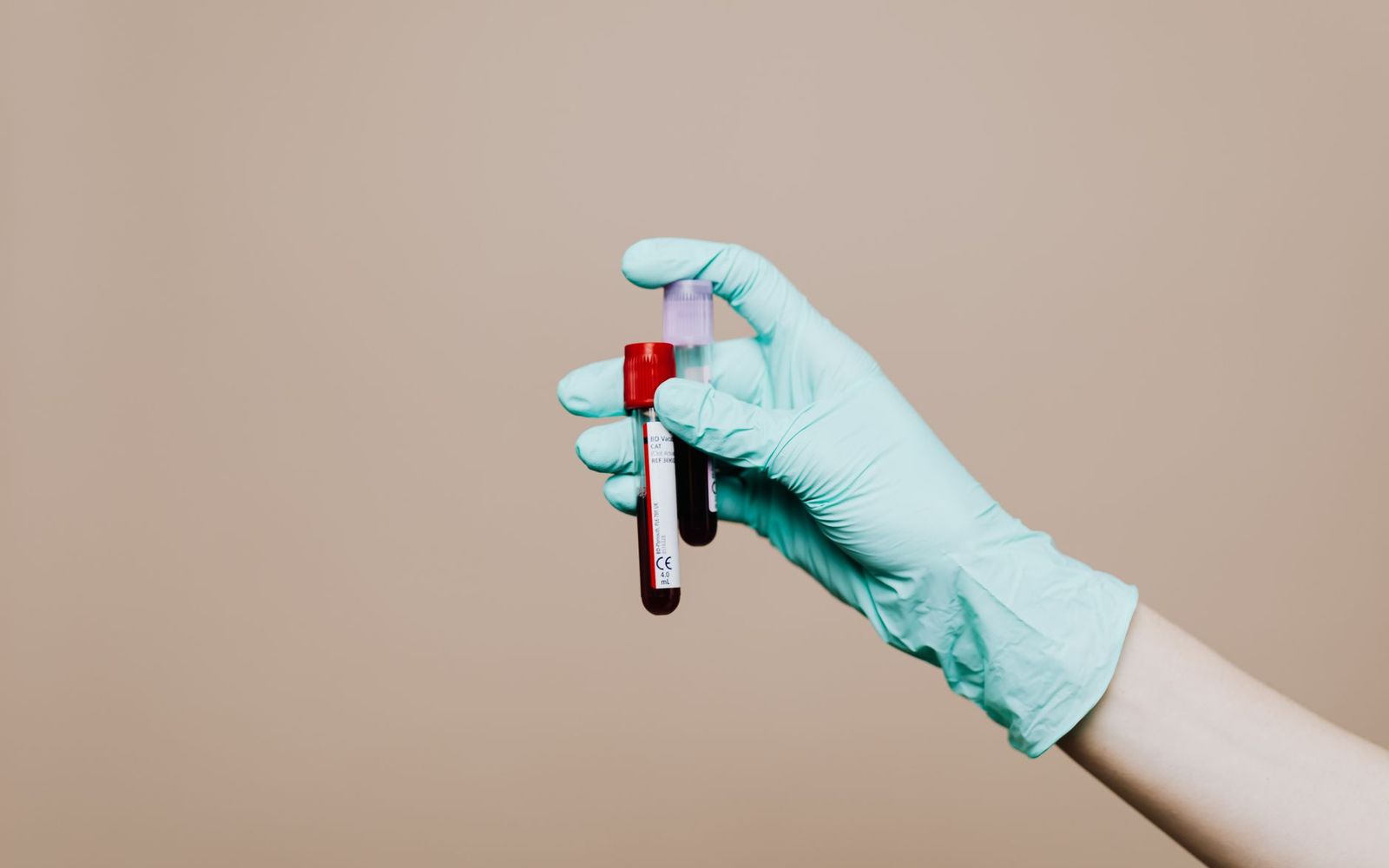
Blood tests worth getting every year, and which to do once

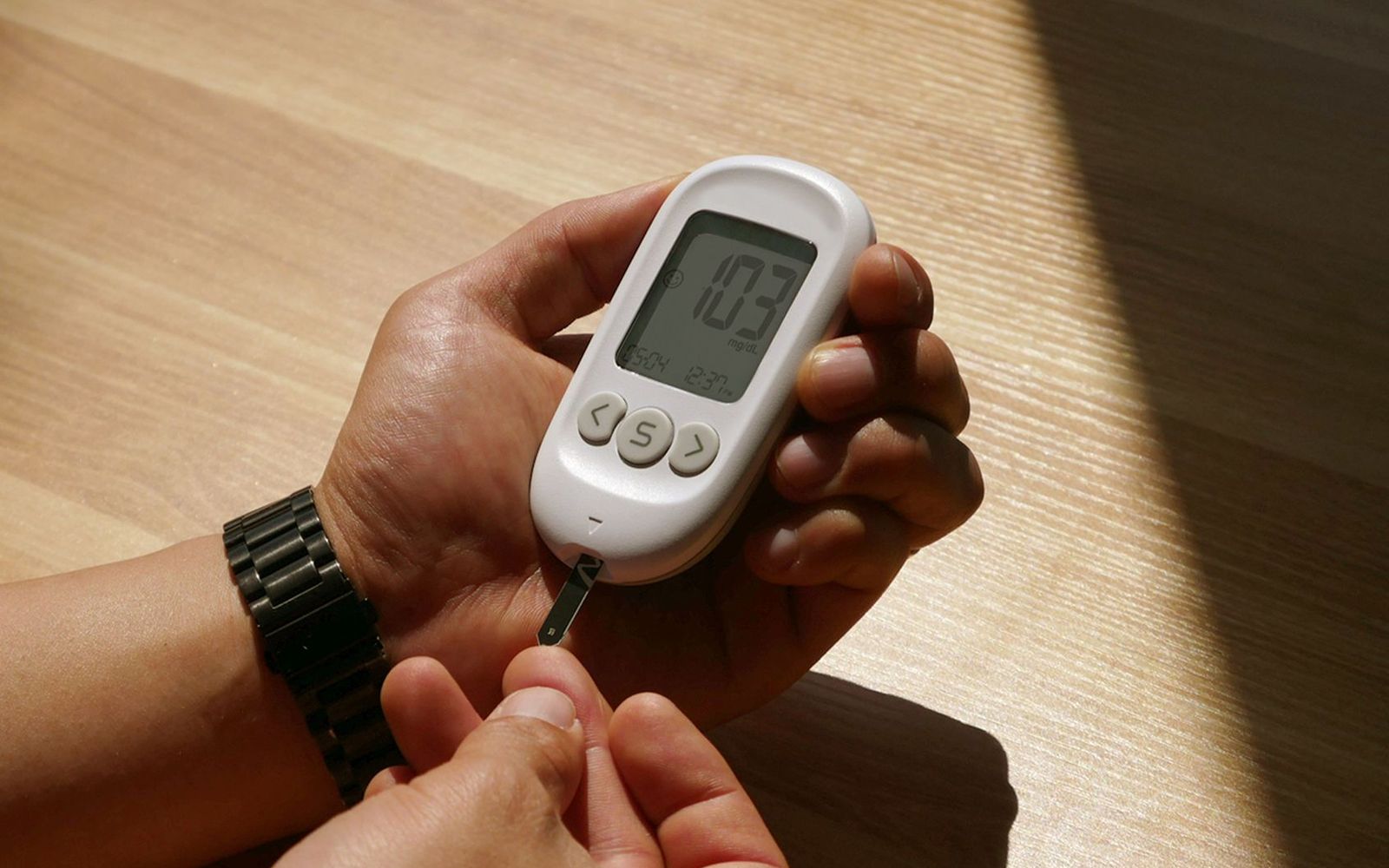
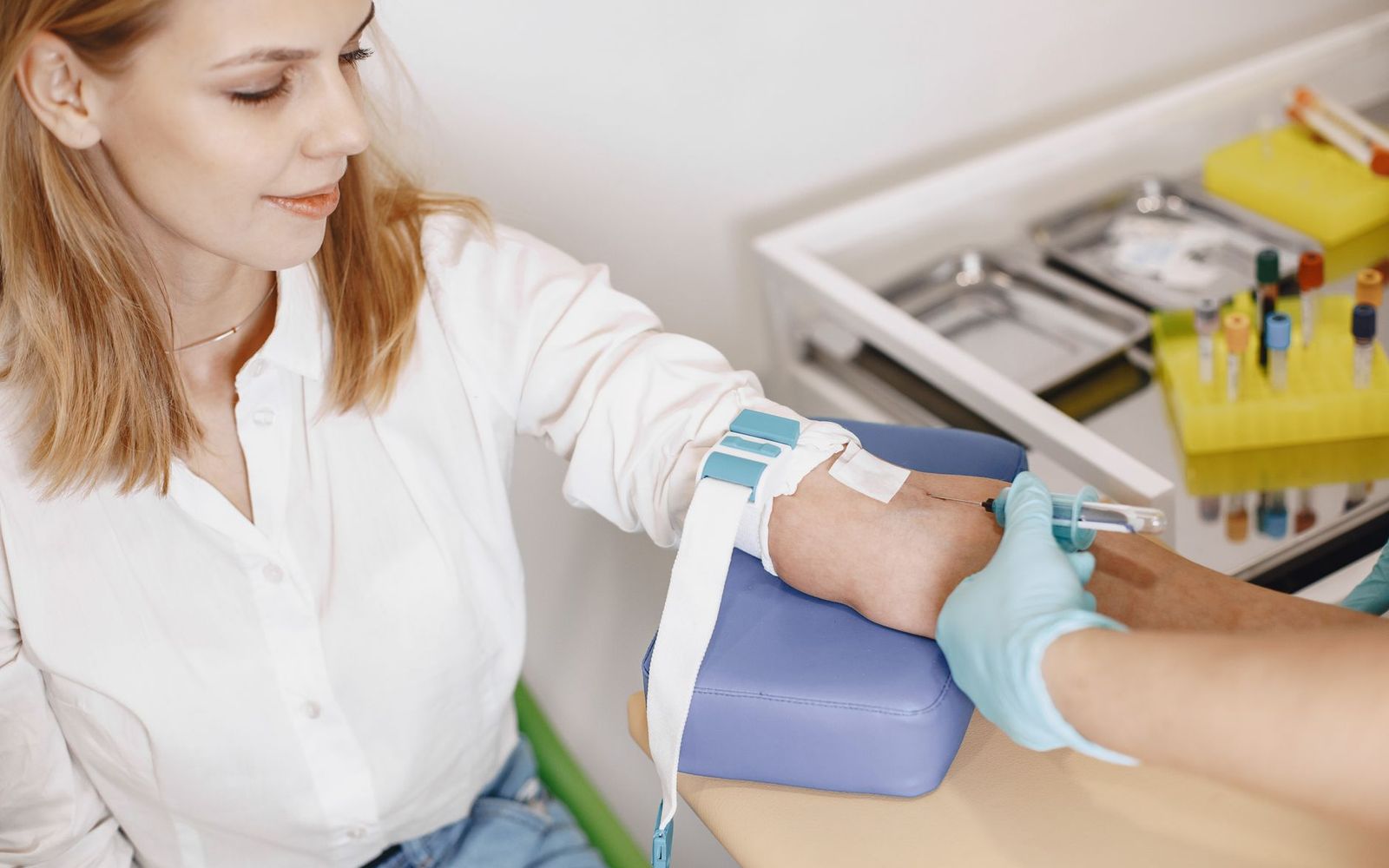
The yearly core after 35: glucose or A1C (USPSTF screens adults 35 to 70 with overweight every 3 years), a lipid panel feeding the age-40 statin discussion, and blood pressure yearly from 40 (USPSTF). Kidney (eGFR) and liver (ALT) numbers ride along on standard panels and have published healthy limits. Worth doing once, not yearly: ApoB and Lp(a). Usually not worth ordering without a reason: routine vitamin D, per the 2024 Endocrine Society guideline.
Heart health 4 min

ApoB vs LDL cholesterol: which number matters more?

ApoB counts every atherogenic particle (one ApoB per particle), while LDL-C weighs the cholesterol inside them. The two diverge in people with high triglycerides, diabetes or obesity, where LDL-C can look fine while the particle count runs high. The 2026 ACC/AHA guideline lists ApoB 120 mg/dL or higher as a risk enhancer and sets optional ApoB goals of under 90, 70 and 55 mg/dL by risk group.

Weight and metabolism 7 min

What Wegovy and Zepbound cost without insurance in 2026

Manufacturer self-pay prices as of 2026-08-19: Wegovy tablets $149 to $299 a month; Wegovy pen $199 for the first two months (new patients) then $349, or $399 for Wegovy HD; Zepbound $299 (2.5 mg), $399 (5 mg), $449 for 7.5 to 15 mg if refilled within 45 days, otherwise $499 to $699; Foundayo $149 to $299; Mounjaro $499. List prices are $1,349 (Wegovy) and $499 to $1,086 (Zepbound). Commercial-insurance savings cards bring covered patients to $25.

Sponsored

4.0/5 our score

Affiliate link, we may earn a commission at no extra cost to you.

Weight and metabolism 7 min

Metabolic health after 40: the numbers to know

The metabolic numbers with published thresholds: blood pressure (normal under 120/80; stage 1 hypertension 130 to 139 or 80 to 89, 2025 AHA/ACC), fasting glucose and A1C (prediabetes from 100 mg/dL and 5.7%), LDL cholesterol (goals under 100, 70 or 55 by risk, 2026 ACC/AHA), triglycerides (healthy under 150, NHLBI), HDL (under 40 men, 50 women counts toward metabolic syndrome), waist (over 40 inches men, 35 women is high risk) and BMI. Screening for prediabetes starts at 35 with overweight; the statin discussion at 40.

Telehealth and online prescriptions 7 min

GLP-1 telehealth: how online prescribing works

A legitimate GLP-1 telehealth visit is a medical evaluation by a clinician licensed where you are, followed by a prescription filled by a pharmacy. Semaglutide and tirzepatide are not controlled substances, so no in-person visit is required by federal law, but state medical boards require a documented evaluation and reject prescribing from a static questionnaire alone. Check the clinician, the pharmacy, the FDA-approval status of the product, and the refund terms before paying.

Weight and metabolism 8 min

GLP-1 medications compared: Wegovy, Zepbound and the pills

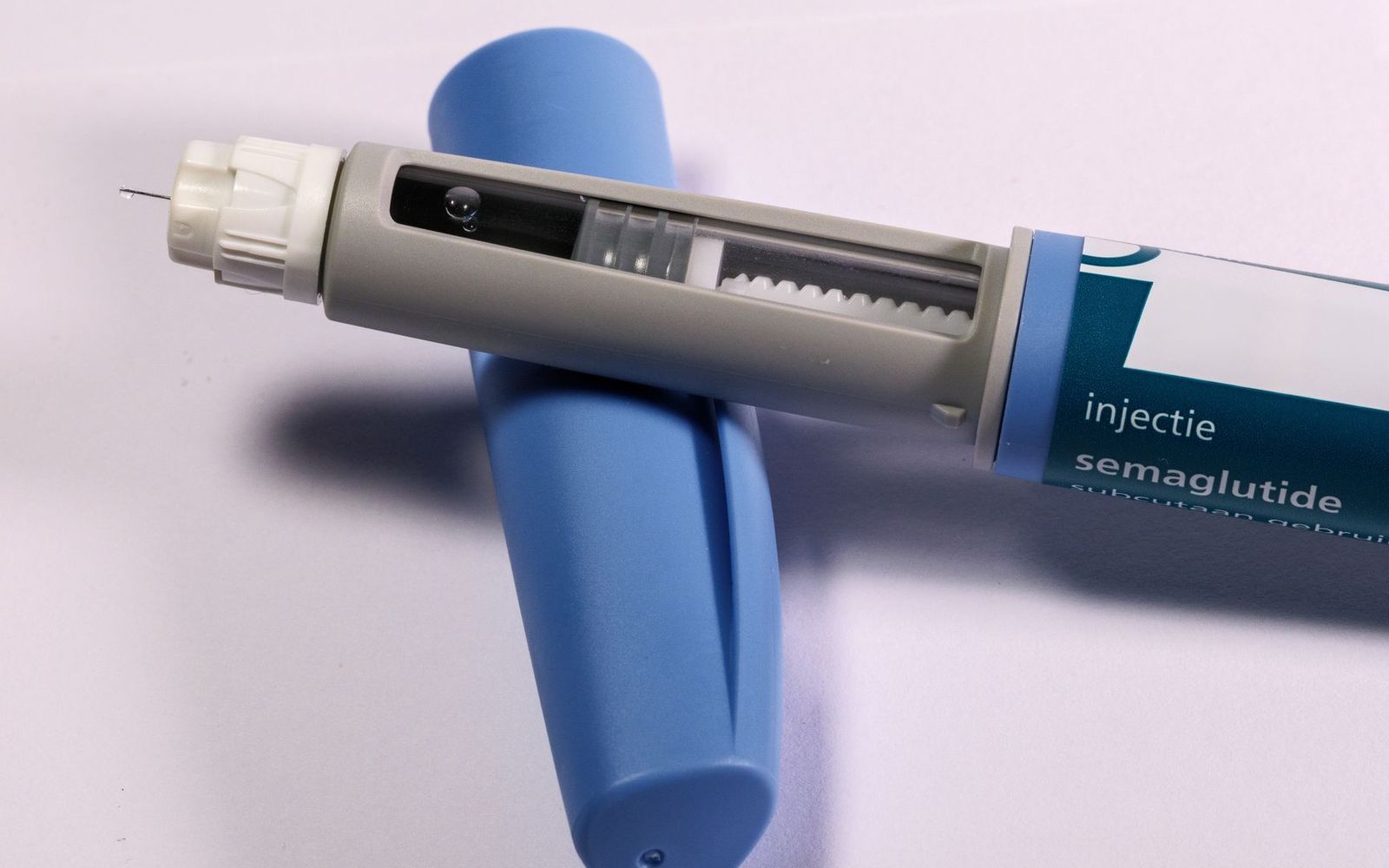
For weight: Wegovy injection (weekly; 1.7 or 2.4 mg, or 7.2 mg Wegovy HD), Wegovy tablets (25 mg daily), Zepbound (weekly tirzepatide, 5 to 15 mg) and Foundayo (orforglipron pill, up to 17.2 mg daily). For type 2 diabetes: Ozempic, Mounjaro, Rybelsus. Label trial results range from about 7% (Saxenda) to 21% (Zepbound 15 mg) mean weight loss versus 2 to 4% on placebo. Self-pay prices run $149 to $699 a month.

Weight and metabolism 7 min

Does insurance cover GLP-1s? Medicare, Medicaid, employers

As of August 2026: Medicare Part D still cannot cover drugs used solely for weight loss by statute, but the Medicare GLP-1 Bridge (July 1, 2026 to December 31, 2027) gives eligible beneficiaries Wegovy, Wegovy tablets, Zepbound KwikPen or Foundayo for a $50 copay; Wegovy is Part D-coverable for its cardiovascular indication. Thirteen state Medicaid programs covered GLP-1s for obesity in January 2026 (KFF). Around 43 to 49% of large employers cover them for weight loss.

Weight and metabolism 8 min

Compounded semaglutide and tirzepatide: what the FDA says

Compounded semaglutide and tirzepatide are not FDA-approved: the FDA does not review them for safety, effectiveness or quality. The drug shortages that allowed mass compounding were declared over in December 2024 (tirzepatide) and February 2025 (semaglutide). Since September 2025 the FDA has warned 113 telehealth sellers about false claims. Check the pharmacy license and the warning-letter database before you buy.