The short answer
There is no evidence that creatine causes hair loss. The idea traces to a single small study that found a rise in a hormone linked to male-pattern baldness, and the only trial that has looked at hair directly found no effect. The honest caveat is that the evidence is thin in both directions, and none of it comes from people over 40.
Where the worry came from: the 2009 rugby study
Researchers in South Africa gave 20 college rugby players creatine or placebo in a double-blind crossover design: 25 g a day for 7 days, then 5 g a day for 14 days. They measured testosterone and dihydrotestosterone (DHT) in blood. Testosterone did not change. DHT rose 56% after the loading week and stayed 40% above baseline after the maintenance phase, and the ratio of DHT to testosterone rose 36%.
DHT matters because, in men, it binds to androgen receptors in susceptible hair follicles and shrinks them. That is the chain of reasoning: creatine raised DHT, DHT drives male-pattern hair loss, so creatine might cause hair loss.
What the study did not do is measure hair. It was also short, small, used a loading dose five times the usual maintenance dose, and has not been repeated. A 2021 review pointed out that DHT started 23% lower in the creatine group and that the levels stayed within normal clinical limits; several of that review's authors disclose ties to creatine companies, which is worth knowing when you weigh it.
The trial that measured hair: 2025
A 12-week randomized, placebo-controlled trial published in 2025 is the first to look at hair directly. Forty-five resistance-trained men aged 18 to 40 took 5 g of creatine monohydrate or 5 g of a maltodextrin placebo a day; 38 finished. Board-certified dermatologists measured hair density, follicle counts and hair thickness at the crown with trichogram and dermoscopic imaging, and the team measured testosterone, free testosterone and DHT.
There were no differences between the groups in DHT, the DHT-to-testosterone ratio, or any hair measure. Testosterone rose and free testosterone fell over the 12 weeks in both groups alike, so neither change was due to creatine.
The limits are real. It ran 12 weeks, which is short for hair, enrolled only young men, and is one trial of 38 completers. Two of its authors are scientific advisors to creatine brands and another consults for supplement makers, all disclosed in the paper.
Sponsored option
Vetted Aug 19, 2026Affiliate link, we may earn a commission at no extra cost to you.

Everlywell Our score 4.0/5
At-home lab tests
Pricing as of Aug 19, 2026
HbA1c $49; cholesterol and lipids $49; heart health panel $99
What this means if you are 35 to 65
Neither study enrolled anyone over 40 or any women. So for most of our readers the honest summary is: one short study raised a hormonal question, one better-designed study that measured hair found nothing, and nothing suggests the answer differs with age, but nobody has tested it.
Hair loss at this age has many common causes, including genetics, thyroid disease, low iron and some medicines. If you notice shedding after starting creatine, the timing is worth mentioning to a clinician, and so is everything else that changed. Our guide does Ozempic cause hair loss? covers shedding after rapid weight loss, a common cause that is easy to confuse with anything started around the same time. A ferritin test and a TSH test check two of the usual suspects.
If you do take creatine
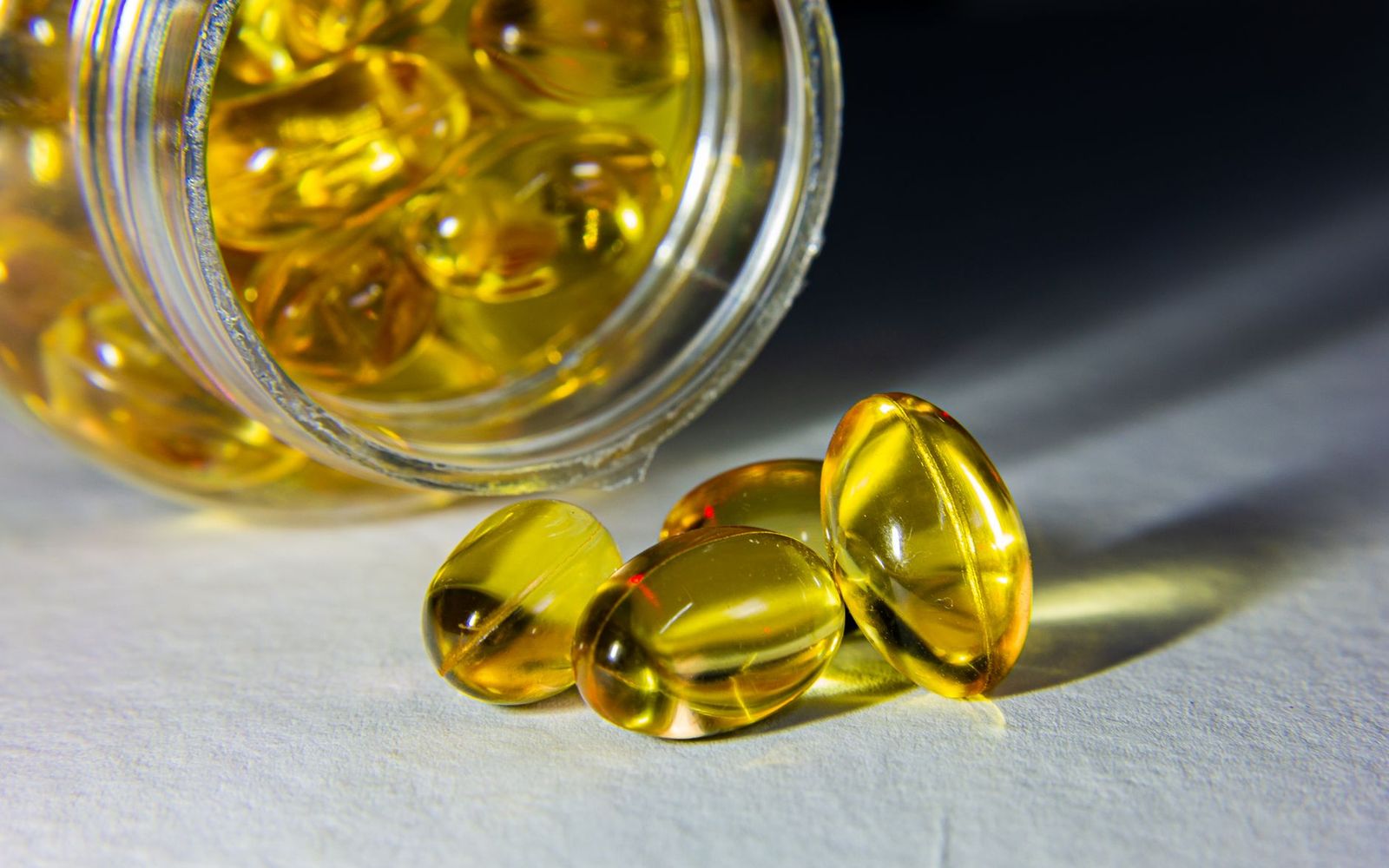
The form and dose with the most evidence are creatine monohydrate at 3 to 5 g a day, per the NIH Office of Dietary Supplements, which also notes that a loading phase of 20 g a day for 5 to 7 days is optional. The 2009 DHT finding came from a 25 g loading dose; the 2025 null result came from 5 g a day. Skipping the loading phase costs you only time. Our creatine buyer's guide lists NSF-certified monohydrate powders checked on November 3, 2026, and does creatine help muscle after 50? reads the evidence for older adults.
Frequently asked questions
Does creatine cause hair loss?
There is no evidence that it does. The only trial that measured hair, in 38 men over 12 weeks, found no difference from placebo in hair density, follicle counts or thickness.
Does creatine raise DHT?
One 2009 study of 20 rugby players found DHT rose 56% after a week of 25 g a day. The 2025 trial at 5 g a day found no difference in DHT from placebo. The earlier finding has not been repeated.
Should I stop creatine if I am losing hair?
Talk with a clinician about the hair loss itself, since thyroid problems, low iron, genetics and medicines are common causes. Stopping creatine is harmless if it puts your mind at rest, but the evidence does not point to it as the cause.
Does creatine cause hair loss in women?
No study has looked. Both studies enrolled only men.
Is a loading phase riskier for hair?
The only DHT rise on record came during a 25 g a day loading week. Loading is optional: NIH describes 3 to 6 g a day with no loading reaching the same effect in 3 to 4 weeks.