What the FDA approved
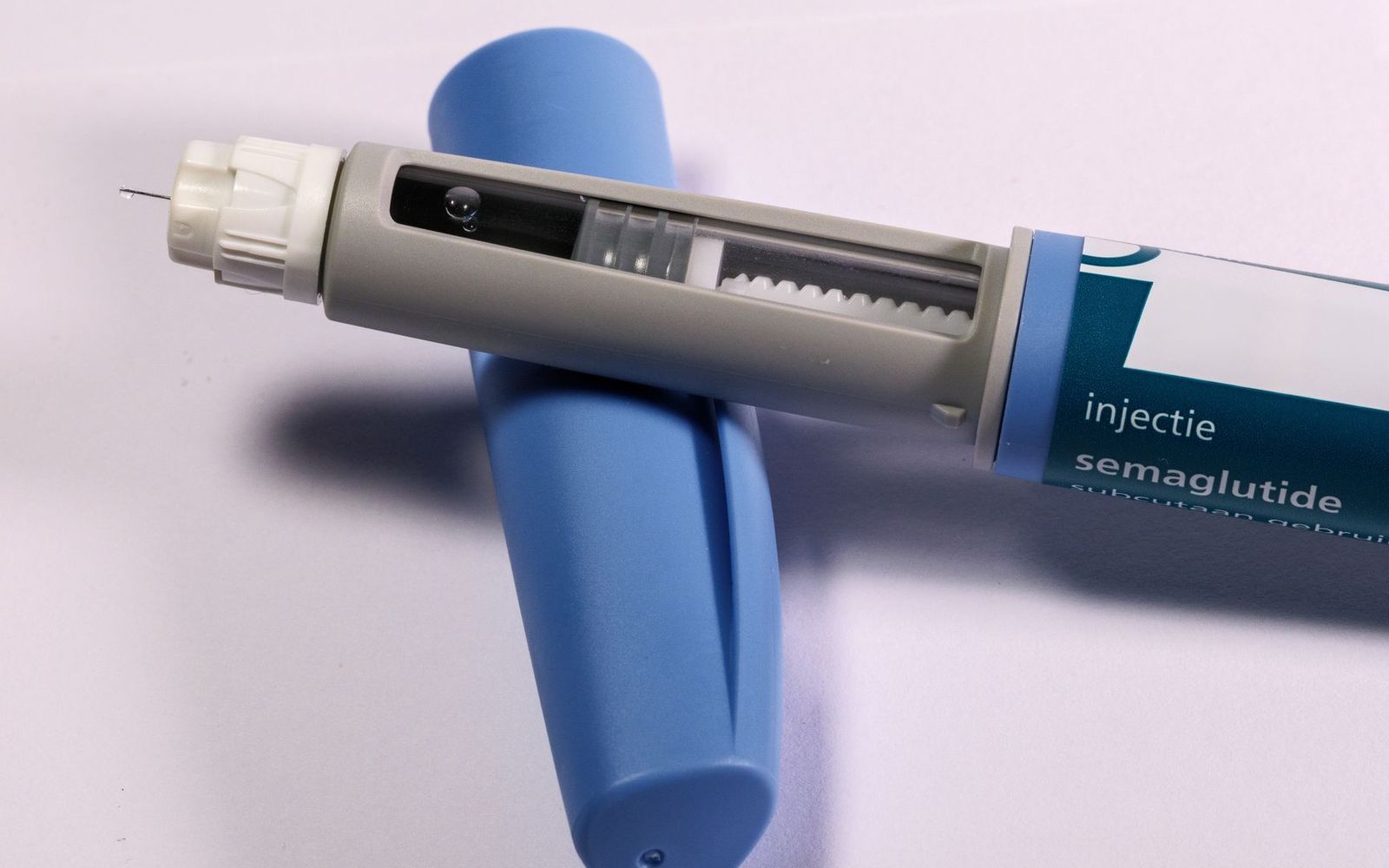
The FDA's announcement, dated December 20, 2024, says the agency "approved Zepbound (tirzepatide) for the treatment of moderate to severe obstructive sleep apnea (OSA) in adults with obesity, to be used in combination with a reduced-calorie diet and increased physical activity." Sally Seymour, director of the FDA's Division of Pulmonology, Allergy, and Critical Care, called it "the first drug treatment option for certain patients with obstructive sleep apnea."
The current Zepbound prescribing information, revised August 2026, carries the same indication: Zepbound is indicated, with a reduced-calorie diet and increased physical activity, "to treat moderate to severe obstructive sleep apnea (OSA) in adults with obesity." The FDA's announcement ties the effect to weight loss: "The improvement in AHI in participants with OSA is likely related to body weight reduction with Zepbound."
Who qualifies under the label, and who the trials actually studied
The indication has three conditions: the sleep apnea is obstructive, it is moderate to severe, and the adult has obesity. It does not print a number for any of them. The numbers come from the trials described in section 14 of the label and in the published paper, and both insurer policies we read draw on them.
| Question | Label indication | SURMOUNT-OSA enrollment |
|---|---|---|
| Severity | "Moderate to severe" OSA, no number printed | Apnea-hypopnea index (AHI) of 15 or more events per hour on laboratory sleep study |
| Weight | "Adults with obesity", no number printed | BMI of 30 or more (27 or more in Japan) |
| Type of apnea | Obstructive | Central or mixed sleep apnea excluded |
| Diabetes | Not mentioned in the indication | Type 1 and type 2 diabetes excluded |
| Age | Adults; not established in children | Adults; ages 20 to 79 across the two studies |
| Dose | Start 2.5 mg weekly for 4 weeks, step up by 2.5 mg no sooner than every 4 weeks; OSA maintenance 10 mg or 15 mg | Highest tolerated dose, 10 mg or 15 mg |
The label's indication does not exclude people with type 2 diabetes, but the OSA trials did, so the label's evidence for sleep apnea comes entirely from people without diabetes. The trials also excluded people with planned surgery for sleep apnea or obesity and anyone whose weight had changed by more than 5 kg in the 3 months before screening.
The label's contraindications are the same for every Zepbound use: a personal or family history of medullary thyroid carcinoma, multiple endocrine neoplasia syndrome type 2, or a known serious allergy to tirzepatide or the product's ingredients. The label says combining it with another tirzepatide product or any GLP-1 drug is not recommended, and says to stop it when a pregnancy is recognized.
What SURMOUNT-OSA found
SURMOUNT-OSA, published in the New England Journal of Medicine in 2024 (Malhotra and colleagues, funded by Eli Lilly, which makes Zepbound), was two 52-week double-blind trials run under one protocol, 469 adults in all. Trial 1 (the label's Study 5) enrolled people unable or unwilling to use positive airway pressure (PAP, which includes CPAP); trial 2 (Study 6) enrolled people already on it, who stopped PAP for 7 days before each sleep study so PAP would not confound the measurements. Participants started with severe disease on average: a mean AHI of 51.5 and 49.5 events per hour and a mean BMI of 39.1 and 38.7.
| Outcome at 52 weeks | Trial 1, no PAP: placebo | Trial 1: Zepbound | Trial 2, on PAP: placebo | Trial 2: Zepbound |
|---|---|---|---|---|
| Change in AHI, events per hour | -5.3 | -25.3 | -5.5 | -29.3 |
| Percent change in AHI | -3.0% | -50.7% | -2.5% | -58.7% |
| AHI cut by half or more | 19.0% | 61.2% | 23.3% | 72.4% |
| AHI under 5, or 5 to 14 with Epworth sleepiness score of 10 or less | 15.9% | 42.2% | 14.3% | 50.2% |
| Percent change in body weight | -1.6% | -17.7% | -2.3% | -19.6% |
The fourth row is what the label calls "remission or mild non-symptomatic OSA". It is the most useful row for a reader, because it shows the ceiling: even on the drug, 42.2 percent without PAP and 50.2 percent with it reached that level after a year, so 57.8 and 49.8 percent did not (our arithmetic). The paper also reports falls in systolic blood pressure, hypoxic burden (a measure of how much oxygen is lost during breathing events) and a marker of inflammation. It names its own limits: the trials ran 52 weeks, were not designed to assess long-term cardiovascular outcomes, and excluded people without obesity.
Side effects in the OSA trials were, per the label, similar to those in Zepbound's weight-loss trials, and the paper reports the most frequent were gastrointestinal, mostly mild to moderate; we set those out drug by drug in what the GLP-1 labels report about side effects.
Sponsored option
Vetted Aug 19, 2026Affiliate link, we may earn a commission at no extra cost to you.

Sesame Our score 4.0/5
Telehealth / primary care
Pricing as of Aug 19, 2026
Telehealth visits from $34; weight-loss program $99/mo or $59/mo annual
How insurers' OSA criteria differ
The label leaves the numbers open, and the two insurers we read fill them in differently. Cigna's Zepbound policy (IP0816, effective September 1, 2026) approves OSA treatment for a year at a baseline BMI of 30 or higher with a sleep study showing an AHI, or a respiratory event index from a home test, of 15 or more, excluding central sleep apnea and Cheyne-Stokes respiration; we cover it, including its 10 percent weight-loss renewal rule, in our guide to GLP-1 prior authorization criteria.
UnitedHealthcare's program for plans that exclude weight-loss drugs (2026 P 1475-3, for Zepbound in obstructive sleep apnea only, effective September 1, 2026) is stricter in ways that matter.
| Criterion | Cigna (IP0816) | UnitedHealthcare OSA-only program |
|---|---|---|
| Age | 18 or older | 18 or older |
| BMI | 30 or higher at baseline, before any GLP-1 | 30 or higher |
| Sleep study threshold | AHI 15 or more, or REI 15 or more | AHI over 15, REI "> to 15" as printed, or RDI over 15 |
| CPAP history | Not required | Continued symptoms despite adherent PAP (at least 4 hours a night on at least 70 percent of nights), or not a PAP candidate |
| Diabetes | No exclusion in the OSA criteria | Excluded: patient must not have "a diagnosis of diabetes or HgA1c > 6.5%" |
| Other requirements | No central sleep apnea or Cheyne-Stokes respiration; diet and behavior change alongside | At least one unsuccessful diet attempt; counseling on sleep position and on avoiding alcohol and sedatives at bedtime; no planned sleep apnea or obesity surgery; no predominantly central or mixed apnea; a sleep specialist, pulmonologist, otolaryngologist or physician experienced in OSA involved |
| First approval | 1 year | 6 months |
| Renewal | After a year: at least 10% loss of baseline weight and, per the prescriber, stable sleep apnea signs or symptoms | At least 10% loss of baseline weight; off PAP, any AHI, RDI or REI fall before 52 weeks and a 50% fall from 52 weeks on |
Two differences stand out. A person with an AHI of exactly 15 meets Cigna's "15 or more" but, on our reading, not UnitedHealthcare's AHI wording, which is "> 15", strictly above (its RDI line reads the same way). For a home-test REI of exactly 15, UnitedHealthcare's line reads "> to 15" in the published PDF, which leaves unclear whether 15 itself counts, so ask the plan. And a person with diabetes, or an A1c above 6.5%, is excluded by UnitedHealthcare's OSA program, much as the trials excluded type 1 and type 2 diabetes, while Cigna's OSA criteria are silent on diabetes. These are two insurers' documents; your plan's own policy is the one that applies, and UnitedHealthcare's OSA-only program applies to plans that exclude weight-loss drugs. For plans that cover them, its weight-loss program lists an OSA request among those it accepts and applies its general BMI rule: 30 or higher, or 27 or higher with a weight-related condition, sleep apnea among its examples.
What to do next
Both policies we read require a sleep study, so if you have not had one, that is the first record a prescriber will need. Our guide to how much sleep adults need explains why snoring plus daytime sleepiness is a sleep-apnea question for a clinician, not a supplement question. If you have a diagnosis, bring the report to the appointment: the AHI or REI, whether any apnea was central, and your BMI before starting any GLP-1.
To see where Zepbound sits among the alternatives, our comparison of every approved GLP-1 lists each drug's approved uses; Zepbound is the only one there with an OSA indication. Zepbound vs Wegovy covers the head-to-head weight trial and the cash prices. And your personal screening plan sets out the other checks due at your age, including diabetes screening, which matters here because the OSA trials and UnitedHealthcare's OSA program both exclude diabetes.
Frequently asked questions
Is Zepbound FDA-approved for sleep apnea?
Yes. The FDA approved it on December 20, 2024 for moderate to severe obstructive sleep apnea in adults with obesity, used with a reduced-calorie diet and increased physical activity.
What AHI do I need to qualify for Zepbound for sleep apnea?
The indication prints no number; it says moderate to severe. The trials enrolled people with an AHI of 15 or more. Cigna asks for an AHI or REI of 15 or more, and UnitedHealthcare's OSA-only program for an AHI or RDI above 15 (its REI wording is unclear at exactly 15).
Can I stop using my CPAP if I take Zepbound?
The label says the trials did not evaluate when or whether people already using PAP should stop. Raise it with the clinician who manages your sleep apnea rather than deciding alone.
Is Zepbound approved for sleep apnea if I am overweight but not obese?
No. The OSA indication covers adults with obesity, and the trials enrolled a BMI of 30 or more (27 or more in Japan). The paper lists the exclusion of people without obesity as a limitation.
Does it cure sleep apnea?
The trials did not test a cure. After 52 weeks, 42.2 percent without PAP and 50.2 percent with PAP reached an AHI under 5, or 5 to 14 with an Epworth sleepiness score of 10 or less, against 15.9 and 14.3 percent on placebo, which left 57.8 and 49.8 percent of the Zepbound groups short of that level.