What counts as low testosterone
The American Urological Association's testosterone deficiency guideline states that clinicians should use a total testosterone below 300 ng/dL as a reasonable cutoff in support of the diagnosis. Two conditions travel with that number. First, the measurement standard: testosterone peaks in the morning and swings day to day, so the guideline requires two total testosterone measurements, on separate occasions, both drawn in the early morning. Second, the symptom requirement: the clinical diagnosis is made only when low levels are combined with symptoms or signs. A single 280 ng/dL drawn at 4 pm in a man who feels fine is not a diagnosis. Our total testosterone reference page carries the ranges and sources.
The symptoms that count
The complaints that bring men to testing cluster in four groups: sexual (reduced libido, fewer morning erections, erectile difficulty), physical (loss of muscle, increased body fat, low energy), mood and cognition (low motivation, irritability, poor concentration), and sleep-adjacent fatigue. None of them is specific to testosterone. Depression, sleep apnea, thyroid disease, iron overload and medication side effects produce the same picture, which is exactly why the guideline pairs the lab threshold with a clinical evaluation rather than treating a number.
Why the level might be low
Testosterone declines gradually with age, but the steeper drops usually have a cause worth finding: obesity and insulin resistance, untreated sleep apnea, opioid pain medication, glucocorticoids, heavy alcohol use, or disease of the testes or pituitary. Weight loss in particular can raise testosterone meaningfully in men with obesity. A workup that stops at "low number, start therapy" skips the part where a reversible cause gets fixed.
Sponsored option
Vetted Aug 19, 2026Affiliate link, we may earn a commission at no extra cost to you.

Everlywell Our score 4.0/5
At-home lab tests
Pricing as of Aug 19, 2026
HbA1c $49; cholesterol and lipids $49; heart health panel $99
What treatment involves
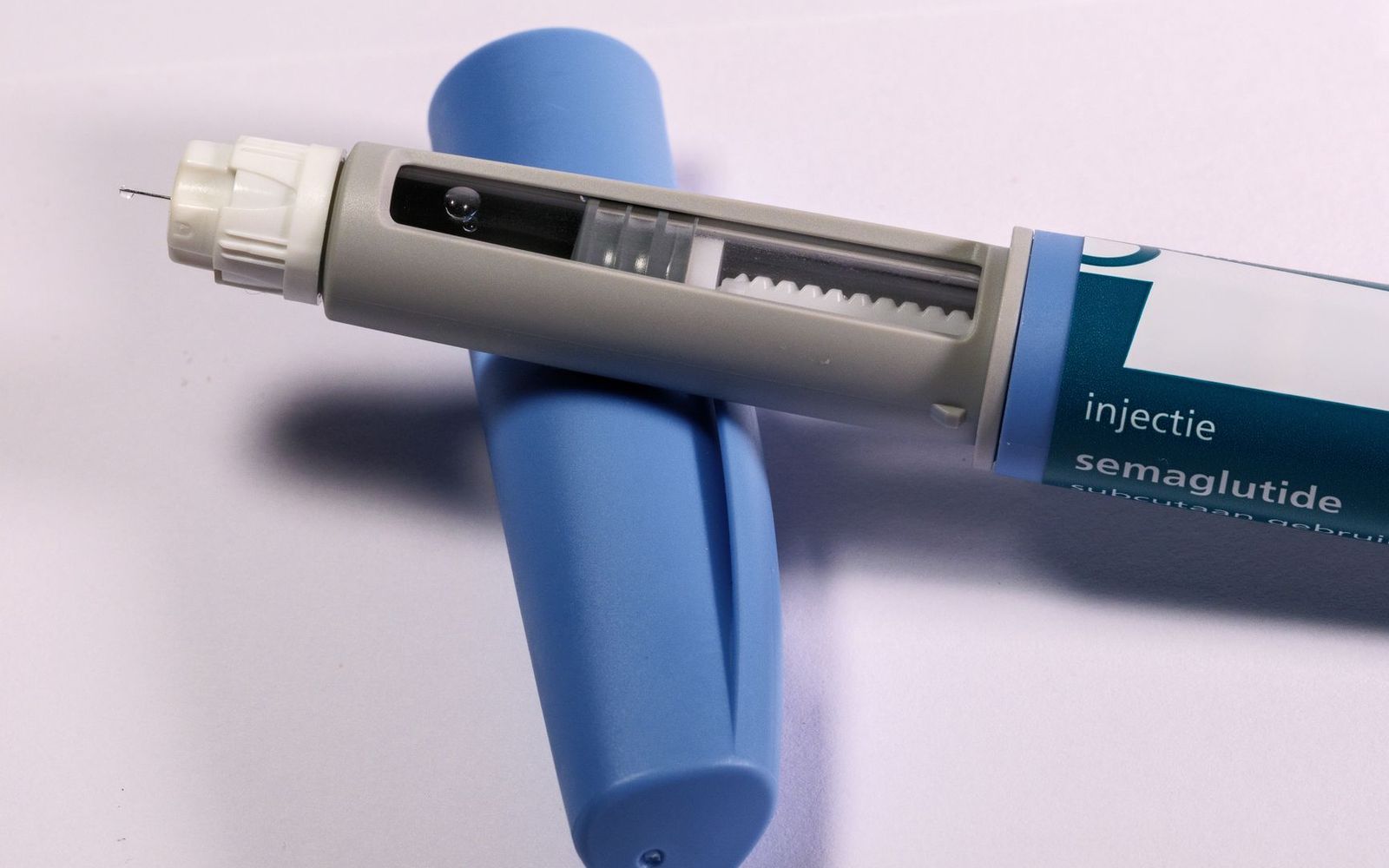
Testosterone therapy comes as gels, injections, patches and pellets. The AUA's on-treatment standard is not "more is better": therapy targets a mid-normal range with periodic monitoring of testosterone, hematocrit (testosterone thickens blood in some men) and symptoms. Two tradeoffs deserve plain language. Testosterone therapy suppresses the body's own signal to the testes, so it suppresses sperm production; men who may want children should discuss alternatives that preserve fertility first. And therapy is a long-term commitment with follow-up labs, not a one-time fix.
Telehealth clinics have made prescribing faster, which cuts both ways: convenient for men who meet criteria, and easy for men who were never properly diagnosed. Whatever the storefront, the standard of care is the same two morning labs, symptoms, and monitoring. Any service that skips the second blood draw is skipping the guideline.
Frequently asked questions
What testosterone level is low for my age?
The AUA guideline uses a single cutoff, below 300 ng/dL, rather than age-adjusted thresholds, and always in combination with symptoms. Average levels do fall with age, which is why the symptom requirement matters more, not less, in older men.
Can I test testosterone at home?
At-home kits can measure total testosterone, and a morning sample is the only kind worth collecting. A diagnosis still requires two properly timed measurements and a clinical evaluation, so treat a home result as the reason for a conversation, not a prescription.
Does testosterone therapy cause prostate cancer or heart attacks?
The AUA guideline includes statements on counseling men about cardiovascular and prostate considerations; the evidence has not shown that therapy in properly selected, monitored men causes prostate cancer, and cardiovascular safety data have been reassuring in recent trials. Selection and monitoring are the operative words.