CMP prices, fees and fasting rules
| Where | Price | Added fee | All-in, CMP alone | Fasting, as the seller states it |
|---|---|---|---|---|
| Walk-In Lab | $30.00 ($25.50 with code NOV15 through Nov 30) | $6.00 per order | $36.00 ($31.50 with the code) | 12 hours, required |
| Quest | $49.00 | $6.00 physician service fee | $55.00 | 8 to 12 hours, required |
| Labcorp OnDemand | $49.00 | None shown | $49.00 | 12 hours |
| What Medicare pays a lab | $10.56 (code 80053) | $9.34 blood draw (code 36415) | $19.90 | n/a |
Quest's product page says its CMP "measures 14 components of the blood." Labcorp's lists the same 14 plus the values it calculates from them (globulin, the BUN-to-creatinine ratio and eGFR), so the two report the same panel in different layouts. If you are adding a CMP to other tests, Walk-In Lab's per-order fee and Labcorp's bundles change the math; see our comparison of 11 common blood tests for the combined prices.
CMP or BMP: do you need the bigger panel?
The basic metabolic panel (BMP) measures eight things: glucose, calcium, sodium, potassium, carbon dioxide, chloride, BUN and creatinine. The comprehensive panel adds six: albumin, total protein, alkaline phosphatase, ALT, AST and bilirubin, mostly liver tests. Medicare pays $8.46 for the BMP and $10.56 for the CMP, so the liver half adds $2.10 at Medicare's rate. The direct-to-consumer sellers we read price the CMP as their standard chemistry panel; we did not price a BMP at any of them. The liver half is the part our high ALT guide is about: it explains that the most common cause of a mildly high ALT is fat in the liver, and what to ask next.
The four readings worth checking first
- Glucose. Under the ADA's 2026 Standards of Care, a fasting glucose of 100 to 125 mg/dL is the prediabetes range; it only means that if you fasted.
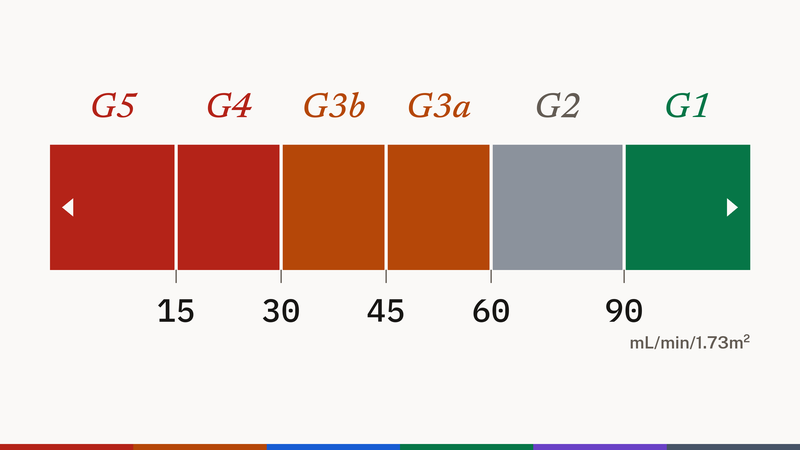
- Creatinine and eGFR. The eGFR is calculated from creatinine, age and sex. KDIGO's 2024 guideline defines chronic kidney disease as an eGFR below 60 for more than three months; a single low reading does not. Our guide to eGFR by age explains why.
- ALT. The liver enzyme most often discussed. Our guide to a high ALT covers what the number means and what to ask next.
- AST, alkaline phosphatase and bilirubin. The rest of the liver set; read them alongside ALT, not alone. A pattern across several matters more than one value just over its line.
One flagged value on a 14-item panel is common. Look at whether the value is far outside the range and whether it was flagged before.
Who pays for a CMP
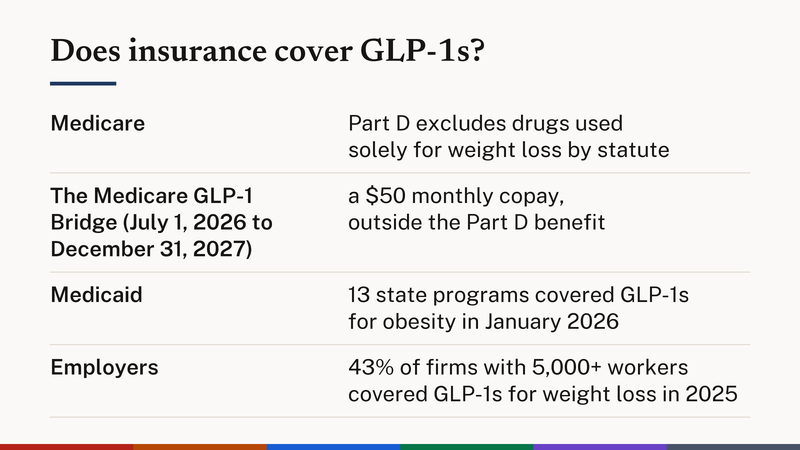
Private insurance. HealthCare.gov's list of preventive services covered without cost sharing does not include a metabolic panel (read November 16, 2026), so a CMP ordered at a physical is usually billed as a regular lab test against your deductible. Ask your plan for its negotiated rate; if it is above $36, Walk-In Lab costs less, and above $49 Labcorp does too, though a cash purchase may not count toward the deductible.
Medicare. Medicare.gov says Part B covers medically necessary diagnostic lab tests your provider orders and that you usually pay nothing for them. There is no screening benefit for a CMP, so it needs a reason on the order, such as a condition or a medicine your clinician is monitoring.
When to skip the cash route
If you take a drug whose dose depends on kidney function, such as metformin, or another medicine your clinician monitors with this panel, the monitoring test is ordered as part of your care and billed to your insurance or Medicare as a diagnostic test. Do not change a dose on a direct-to-consumer result. Sudden confusion, chest pain or fainting: call 911. Vomiting you cannot keep down or new palpitations: get care the same day, not a test to order online.
What we checked and what we did not
We read each price, preparation note and component list on the seller's product page and the Medicare rates in CMS's October 2026 fee schedule file, all on November 16, 2026. We did not read insurers' negotiated rates. The BMP's eight components and the CMP's added six are from the panel definitions in CMS's file.
Every price, Medicare rate and coverage rule on this page was checked against the pages listed under Sources on November 16, 2026. We did not buy or take any of these tests.
Frequently asked questions
What does a CMP cost if I pay cash?
On November 16, 2026: $36 at Walk-In Lab ($30 plus a $6.00 order fee), $49 at Labcorp OnDemand and $55 at Quest ($49 plus a $6.00 fee).
Do I need to fast for a CMP?
Quest says fasting 8 to 12 hours is required and Labcorp OnDemand says 12 hours, because the panel includes a glucose. If you eat first, the glucose result cannot be read as a fasting value.
Is a CMP covered as preventive care?
Not on HealthCare.gov's list of no-cost preventive services. With private insurance it usually counts toward your deductible. Medicare covers it as a diagnostic test when it is ordered for a reason, and you usually pay nothing.
What is the difference between a CMP and a BMP?
A BMP has eight measurements. A CMP adds six: albumin, total protein, alkaline phosphatase, ALT, AST and bilirubin. Medicare pays $8.46 and $10.56.